Bamboo charcoal panels offer incredible lightweight durability and rapid installation benefits for modern construction. However, their unique composite nature creates significant processing challenges on the job site. You face a delicate decorative veneer permanently bonded to a dense charcoal-wood core. Improper cutting techniques often cause severe veneer chipping, core melting from blade friction, or inaccurate joints. These persistent mistakes lead to expensive material waste and major project delays. You need a highly reliable method to handle these advanced materials safely. This guide provides an evidence-based, standard operating procedure for sizing and cutting these panels flawlessly. We will walk you through the precise tools, preparation steps, and cutting techniques you need for success. You will learn how to minimize waste, maintain pristine edges, and protect your project margins during large-scale commercial installations.
Key Takeaways
Clean cuts require a high-tooth-count (60-80 TPI), carbide-tipped blade to prevent veneer tear-out.
Scoring the decorative face and applying masking tape along the cut line are non-negotiable steps for zero-chip edges.
Proper tool selection (track saws for straight runs, jigsaws for outlets) dictates installation scalability and labor efficiency.
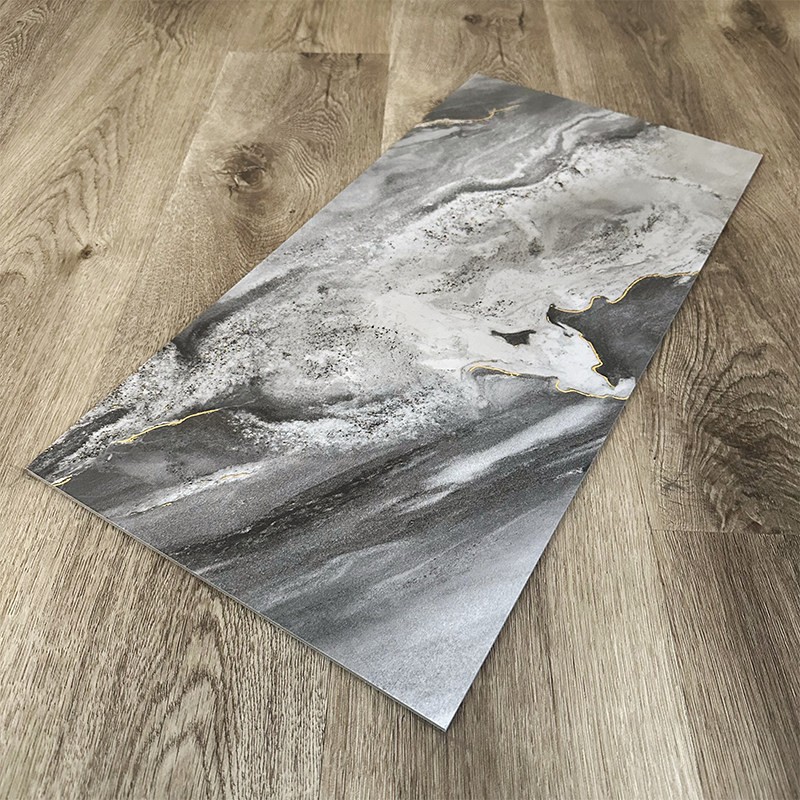
Premium variants like the Durable Golden Marble Bamboo Charcoal Panel require specific handling to protect high-gloss finishes during processing.
The Business Case for Proper Cutting Protocols
We must treat cutting protocols as a serious business priority. Contractors often underestimate the financial impact of poor panel handling. Standardizing your cutting process directly protects your profit margins on every job. Typical installation sites see 10% to 15% material waste simply from jagged cuts and ruined veneers. You eliminate this waste when you implement a strict standard operating procedure. Every ruined board represents lost revenue and wasted transport effort. Proper protocols ensure you maximize the yield from every single pallet you order.
Labor scalability also depends heavily on your cutting efficiency. Imagine the hours lost when workers manually sand jagged edges. They waste precious time fixing mistakes instead of mounting boards to the wall framing. Proper track saws allow your team to process large volumes of material quickly. You achieve clean cuts instantly on large commercial sites. Fast, accurate processing scales your labor output significantly. Your crews finish rooms faster and move on to the next phase ahead of schedule.
Aesthetic standards demand flawless joints across the entire installation. High-end commercial designs require seamless wall integrations without visible gaps. Clean cuts prevent ugly spacing between adjacent panels. They also stop moisture ingress in humid environments by ensuring tight seams. Client compliance standards remain exceptionally high across modern architectural projects. A perfectly cut bamboo charcoal panel meets these strict specifications effortlessly. Delivering pristine edges guarantees client satisfaction and prevents costly call-backs for rework.
Tool Evaluation: What You Need for a Bamboo Charcoal Panel
You cannot achieve clean edges without the correct tools. The composite core behaves differently than traditional solid wood or pure plastic sheets. Let us evaluate the essential equipment for your workspace to handle a Bamboo Charcoal Panel properly.
Circular Saws & Track Saws
Track saws provide the best results for straight, scalable cuts. You need exact blade specifications to succeed here.
Mandate 60 to 80-tooth, fine-finish carbide blades for all circular saws.
Choose blades designed specifically for composites or non-ferrous metals.
Ensure the blade body has anti-vibration slots to keep the cut perfectly straight.
Why do these specifications matter? Lower tooth counts will violently tear the composite core. They grab the material and rip the veneer upward during the rotation. Conversely, high-tooth-count blades slice cleanly through the dense material. They sheer the fibers rather than ripping them.
Jigsaws
You will need jigsaws for cutting outlets, switches, and custom architectural shapes.
Specify reverse-tooth blades for these intricate tasks.
Fine metal-cutting blades also perform very well.
Avoid aggressive wood-cutting blades completely.
Down-cut blades prevent lifting the top veneer. Standard up-cut blades pull the material toward the saw shoe. This action causes massive splintering on the highly visible decorative face.
Manual Tools
Power tools only do part of the job. You need high-quality manual tools for preparation and finishing.
Heavy-duty utility knives for deep scoring operations.
High-grit sanding blocks (220+ grit) for delicate edge finishing.
Specialized deburring tools for quick edge softening before joining.
Safety & Compliance
Cutting composite boards generates very fine particulate dust. This dust can easily irritate the lungs and eyes of your crew. You must mandate proper personal protective equipment on site. Require N95 or P100 respirators for anyone operating the saws. Safety glasses are also non-negotiable. Active dust extraction vacuums attached directly to your power tools provide the best defense against airborne particles.
Tool Selection Matrix
Tool Type
Blade/Spec Requirement
Primary Application
Track Saw
60-80 TPI Carbide Tipped
Long straight cuts, panel resizing
Jigsaw
Reverse-tooth / Down-cut
Electrical outlets, light switches, curves
Utility Knife
Heavy-duty sharp blades
Pre-scoring cut lines through the veneer
Sanding Block
220+ Grit Aluminum Oxide
Edge finishing and micro-burr removal
Step-by-Step SOP: Executing a Clean, Chip-Free Cut
We have established the right tools for the job. Now we must establish the proper workflow. Follow this standard operating procedure for flawless execution every single time.
Step 1: Preparation & Masking. You must stabilize the delicate top layer before cutting. Apply low-tack painter’s tape directly over your intended cut line. The tape holds the veneer tightly against the core structure. It prevents the fast-moving blade from pulling splinters upward. Press the tape down firmly to ensure full adhesion across the entire cut length.
Step 2: Measurement & Scoring. Mark your exact measurement line directly on the painter’s tape. Take a metal straight edge and your utility knife. Score the surface veneer deeply along the marked line. You want to sever the decorative film before the saw blade ever hits it. This creates a clean breakpoint for the material to separate without tearing.
Step 3: Face Orientation. Blade rotation dictates how you place the board on the table. Always cut the material decorative face down when using a standard circular saw. Circular saw teeth cut upward into the material base. If you use a track saw equipped with a built-in splinter guard, place the face up. The track guard presses down to stop any potential tear-out.
Step 4: Cutting Execution. Power up the saw to full RPM before touching the edge. Maintain a steady, moderate feed rate. Plunging the blade too fast causes immediate tear-out. Moving the blade too slowly causes rapid friction build-up. This friction will easily melt the polymer binders inside the core. Listen to the motor to find the perfect speed.
Step 5: Edge Finishing. You will likely find tiny micro-burrs along the freshly cut edge. Lightly run a 220-grit sanding block at a 45-degree angle along this cut. Use a single-direction motion to remove these burrs cleanly. Do this immediately before installation to ensure a perfectly flush joint against the next panel.
Special Considerations for the Durable Golden Marble Bamboo Charcoal Panel
Premium finishes require advanced handling techniques. You must evaluate these premium finishes carefully before starting the saw. High-gloss, marble-imitation UV coatings present unique challenges in the field. They are highly reflective surfaces. This high reflectivity makes even the smallest micro-chips extremely visible to the naked eye. A single careless mistake can ruin the luxurious aesthetic of the entire room.
Veneer protection is your absolute first priority. Factories ship these boards covered in a thin protective plastic film. You must mandate leaving this factory film on the board. Do not peel it off until you finish all cuts and mount the board securely to the wall. The film acts as a crucial barrier against tool scratches and baseplate friction during processing.
Handling a Durable Golden Marble Bamboo Charcoal Panel requires excellent physical support. You cannot hang the edge of the board off a sawhorse. We emphasize the critical need for full-table support during processing. The rigid marble-style veneer will flex if left unsupported. This flexing often snaps the delicate edge at the very end of a cut. Ensure your workbench supports the entire weight of both the main piece and the off-cut waste piece.
Never drag tools or heavy cords across the glossy face.
Always blow away abrasive dust before resting the track guide on the surface.
Use fresh, unused blades specifically reserved for premium finish operations.
Perform a small test cut on a waste scrap to verify blade sharpness before committing.
Implementation Risks & Troubleshooting
Even experienced installers face challenges when cutting dense composites. You need to recognize problems instantly and apply the correct solutions.
Risk: Blade Friction & Melting Core
You might notice melted plastic binders smearing along the freshly cut edge. You might also smell burning material during the pass.
Cause: Dull blades or incorrect motor RPMs create excessive friction. The binders in the core cannot handle this high localized heat. Moving the saw too slowly also traps heat inside the kerf.
Solution: Stop the saw immediately if you smell burning plastic or wood. Swap your blade for a brand-new carbide option. Ensure you allow the saw to reach its maximum RPM before contacting the material. Keep your forward feed rate steady and confident.
Risk: Jagged Edges at the End of the Cut (Blowout)
The cut looks absolutely perfect until the final two inches. Suddenly, the corner snaps off violently, leaving a jagged void.
Cause: Unsupported off-cut weight causes this blowout. Gravity pulls the waste piece down prematurely, snapping the remaining core material before the blade finishes the job.
Solution: Use a sacrificial foam backer board underneath the entire panel. The blade will cut slightly into the foam, supporting the material 100%. Alternatively, ensure an assistant firmly supports the off-cut waste piece. Never let gravity finish the cut for you.
Risk: Misaligned Outlet Cutouts
Your rectangular outlet holes look sloppy or slightly angled. The plastic cover plate barely hides the gaps around the edges.
Cause: Wandering jigsaw blades cause poor alignment. Standard blades flex sideways when making tight turns in dense composite materials.
Solution: Drill pilot holes in all four corners of your planned cutout. These pre-drilled holes give the jigsaw a clean turning radius. You simply connect the dots with straight, stress-free jigsaw runs.
Conclusion
Cutting these advanced composite panels becomes highly efficient when you follow the right protocols. You achieve perfect results by combining fine-tooth blades, strict masking techniques, and moderate feed rates. Standardizing these steps completely eliminates common processing errors on the job site. It keeps your installation moving smoothly and protects your overall profitability.
Selecting high-quality materials matters just as much as your cutting technique. Panels featuring superior core density behave much better under power tools. They resist melting and splintering naturally due to better manufacturing standards. This core stability makes cutting significantly easier and drastically reduces your on-site waste percentage.
Take action before your next large installation begins. Encourage your project managers and contractors to request physical product samples early. They should test this cutting and routing process using their own site tools to verify compatibility. Direct your purchasing team to contact the sales department for bulk pricing options and detailed technical specification sheets today.
FAQ
Q: Can you cut a bamboo charcoal panel with a utility knife?
A: You should only use a utility knife for scoring the decorative veneer. You might cut entirely through extremely thin, flexible variants using a knife. However, standard structural panels require proper power tools for clean, straight sizing.
Q: Do I need a specialized blade for the Durable Golden Marble Bamboo Charcoal Panel?
A: A standard fine-finish carbide blade is usually sufficient for straight cuts. However, reverse-tooth blades are highly recommended for jigsaw work. The downward cutting action protects the rigid marble veneer from lifting or chipping during custom cutouts.
Q: How do you manage the dust from cutting bamboo charcoal composites?
A: We strongly recommend cutting these panels outdoors whenever possible. If you must cut indoors, use a saw equipped with an active HEPA dust extraction vacuum port. Always mandate N95 or P100 respirators for your cutting crew to prevent inhalation.
Q: Can these panels be routed or CNC machined?
A: Yes, they perform excellently under CNC routers. Dense core varieties are perfect for large-scale custom commercial fit-outs. You must ensure the operator uses sharp up-cut or down-cut compression bits to maintain pristine top and bottom edges.
The company was established in 2018 and specializes in new environmentally friendly indoor decorative materials such as SPC flooring, WPC flooring, carbon crystal flooring, wood veneer panels, and carbon crystal wall panels.