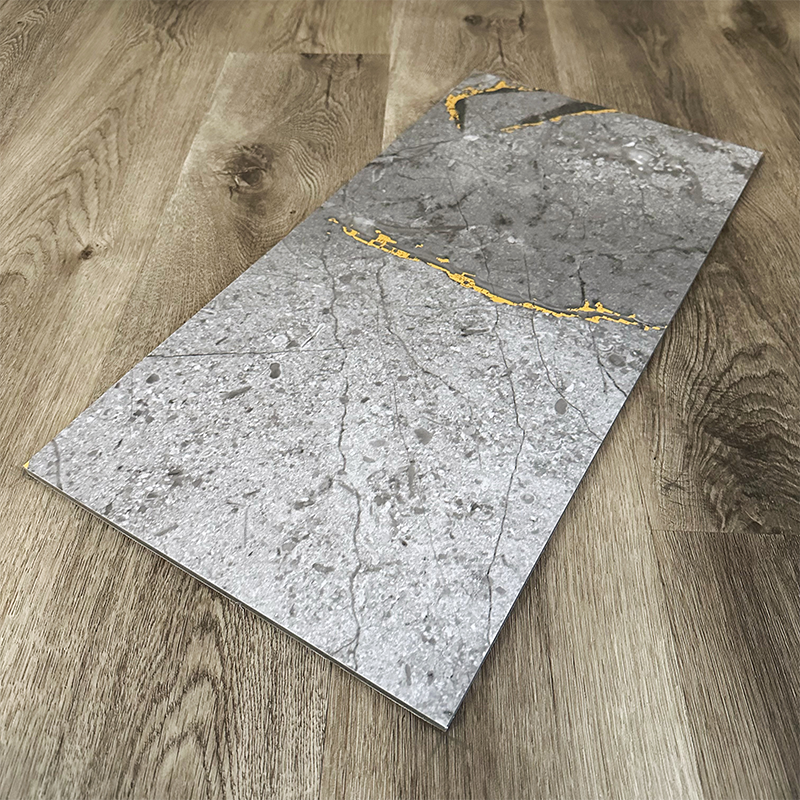
Phased interior decoration projects demand absolute visual perfection. Large-scale wholesale procurement requires strict uniformity across thousands of units. In these demanding environments, color mismatch across different manufacturing runs becomes a severe liability. You cannot afford subtle pigment errors. A slight shift in hue or brightness ruins an otherwise seamless wall installation. This visual inconsistency leads directly to rejected deliveries. Project delays follow shortly after. Relying on human visual inspection remains a deeply flawed strategy. True batch-to-batch consistency for any carbon crystal panel requires strict spectrophotometer tolerances. You also need standardized decorative film sourcing. Factories must enforce rigorous environmental controls during the lamination process. This guide breaks down the essential technical metrics you need. We explain specific production line standards in detail. You will learn the exact criteria buyers should use to evaluate vendor protocols. We will help you verify supplier color consistency before signing high-volume contracts.
Key Takeaways
Data over Eyeballs: Objective color consistency relies on the Delta E (ΔE) standard; acceptable B2B variance typically mandates a ΔE of less than 1.5.
Film Control is Critical: For complex finishes like a High Gloss PET Golden Marble Panel, color fidelity depends heavily on strictly controlled ink lots and precise UV curing temperatures.
Digital Color Twins: Top-tier suppliers use digital color management software (e.g., X-Rite or HunterLab frameworks) rather than fading physical samples to match new batches to original specifications.
Master Batch Retention: Evaluating a supplier requires verifying their Standard Operating Procedures (SOPs) for retaining master samples and calibrating cross-site production lines.
1. The Root Causes of Color Shift in Panel Production
Lamination Temperature Fluctuations
Factories press decorative film onto the core layer continuously. This lamination process requires precise heat application. Heat variations severely alter the final visible hue. A carbon crystal panel absorbs thermal energy rapidly. If the pressing machine runs too hot, pigments inside the PET film expand unnaturally. They lose their intended vibrancy quickly. If the machine runs too cold, the film fails to bond cleanly. Poor bonding traps microscopic air bubbles beneath the surface. These trapped bubbles scatter light unevenly across the board. Your panels will look noticeably lighter or darker as a result. Factories must regulate lamination temperatures within a strict two-degree margin. You cannot rely on manual temperature dials for this. Advanced facilities use digital thermal sensors. These sensors monitor heat output continuously. They adjust heating elements in real time. This active regulation prevents thermal color drift.
Raw Material Variances
Base material consistency plays a massive role in color fidelity. The structural density of the core matters immensely. Density variations affect adhesion quality directly. Poor adhesion compromises the clarity of the top decorative layer. Manufacturers mix carbon powder and resins to form the substrate. If they alter this mixing ratio, panel density changes immediately. A denser core absorbs less liquid adhesive. A porous core absorbs far too much adhesive. Uneven adhesive layers change how light reflects off the finished surface. We see this defect often in cheaper B2B products. You might notice dark spots or cloudy patches. You must insist on consistent raw material sourcing. The core density must remain identical across all production runs. Factories must test core density before applying any decorative films.
Ink and Film Lot Differences
Printed patterns bring their own unique manufacturing risks. Complex designs on PET films remain highly susceptible to ink degradation. Pigment shifts happen frequently during the industrial printing phase. Manufacturers must source films from a single master batch. Changing ink suppliers mid-project guarantees visual failure. Even slight changes in pigment chemical composition alter the final shade. Different batches of ink react differently under UV curing lights. You might approve a beautiful sample on Monday. By Friday, a new ink lot ruins the entire production run. Rigorous factories buy decorative film in massive quantities. They store these rolls in climate-controlled warehouses. This protects the original pigment chemistry perfectly. It ensures the film remains stable for months.
The Cost of Inconsistency
Visual flaws create immediate financial hazards for your business. Inconsistent batches lead directly to rejected wholesale shipments. You will face expensive installation tear-downs on the job site. Clients despise disjointed multi-site rollouts. They expect seamless perfection across every commercial wall. When panels clash, contractors stop working immediately. You lose money on wasted labor hours. You lose money shipping defective pallets back to the factory. Re-ordering replacement panels destroys your project timeline entirely. A cheap upfront price means nothing here. Poor color matching costs you tenfold in the long run. You must secure reliable vendors from day one. You need partners who understand industrial color science deeply.
2. Moving Beyond Visual Checks: The Delta E (ΔE) Tolerance
The Subjectivity Problem
Human eyes make terrible color measurement tools. Factory lighting tricks human vision easily and consistently. Bright fluorescent bulbs make panels look incredibly vibrant. Warm LED lights make them look muddy or yellow. Natural daylight changes their appearance entirely. This phenomenon is called metamerism. Colors appear identical under one specific light source. They look completely different under another source. Factory workers often approve panels under harsh overhead lamps. Contractors install them near large sunlit windows later. The mismatch becomes painfully obvious immediately. You cannot trust visual approvals from the factory floor. Visual checks guarantee failure for large commercial orders. Objective data must replace human opinion entirely.
Defining Delta E
Industry professionals use a specific metric for color deviation. This metric is known globally as Delta E (ΔE). Delta E measures the exact distance between two colors. It uses a rigorous three-dimensional color space model. A ΔE under 1.0 remains generally imperceptible to human eyes. A ΔE greater than 2.0 creates obvious visual seams. Continuous wall setups amplify these differences drastically. We rely on spectrophotometers to capture this data reliably. These handheld devices analyze reflected light scientifically. They calculate the precise ΔE value instantly. Advanced factories scan every hundredth panel during production.
Industrial Color Deviation Impact Chart
Delta E (ΔE) Value
Visual Perception Level
Commercial B2B Acceptability
Best Practice Scenario
0.0 - 0.5
Zero visible difference.
Perfect match.
Ideal for premium continuous wall panels.
0.5 - 1.5
Barely perceptible to trained eyes.
Highly acceptable.
Standard requirement for wholesale procurement.
1.5 - 2.5
Noticeable difference upon close inspection.
Borderline. Requires review.
Acceptable only for separate room installations.
2.5 - 4.0
Obvious color shift.
Unacceptable for seamless walls.
High risk of client rejection and tear-downs.
Above 4.0
Completely different hue or shade.
Critical quality failure.
Immediate return to factory required.
Setting Vendor Expectations
You must update your procurement strategies immediately. Do not ask vendors for a "good visual match." Tell them exactly what you expect numerically. Mandate specific ΔE maximums in your purchasing contracts. Hold your suppliers technically accountable for every shipment. A strong B2B contract specifies a ΔE of ≤ 1.5. Demand this specific tolerance in writing before paying deposits. Ask vendors to submit spectral data with every single shipment. If they cannot provide this data, find another supplier. This simple contractual shift eliminates endless arguments. It protects your investment perfectly. It forces the factory to use proper measurement tools.
3. Managing Complex Finishes: High Gloss PET Golden Marble Panel
Pattern Alignment vs. Color Accuracy
Marble patterns introduce extreme manufacturing difficulties. You cannot just match a solid background color easily. You must align intricate vein structures perfectly alongside the color. Background hues require strict Delta E tolerances. Veining contrast demands equal attention from the quality control team. The high-gloss reflection index must match simultaneously. Producing a High Gloss PET Golden Marble Panel takes immense precision. Golden veins shift tones if the factory rushes the printing phase. The gold pigment contains microscopic metallic flakes. These flakes reflect room light dynamically. If the printer applies them too thickly, the panel looks brassy. If applied too thinly, the gold disappears into the white background. Accurate registration of these layers is vital for realism.
Gloss Level Uniformity
Gloss directly impacts perceived color depth significantly. Many buyers ignore this critical optical factor. A shiny surface looks much darker than a matte surface. They could share the exact same underlying chemical pigment. Gloss units (GU) measure this surface reflectivity objectively. If the PET layer's GU drops across a batch, disaster strikes. The golden marble will look faded instantly. It will appear severely mismatched on the commercial wall. Factories must standardize their polishing and coating techniques. They must measure GU alongside Delta E consistently. You should demand a strict GU variance limit. A ±5 GU tolerance works well for most high-end projects.
UV Coating Consistency
Premium panels feature a highly durable top clear coat. Manufacturers cure this liquid coating using powerful UV lamps. UV coating consistency dictates final optical properties completely. Advanced manufacturers control the application thickness strictly. They regulate UV curing time down to the microsecond. Over-curing yellows the clear coat slightly. Under-curing leaves the surface sticky and visually dull. This clear coat acts like a magnifying glass for the pattern. Any yellowing distorts the golden marble pattern beneath it. You must ensure your supplier monitors UV oven temperatures constantly. They need automated thermal sensors to maintain perfect curing conditions. Manual oven controls lead to inconsistent panel finishes.
4. Cross-Line and Multisite Standardization (The B2B Wholesale Reality)
The High-Volume Challenge
Massive wholesale orders require immense daily production capacity. Factories often split large orders across three different manufacturing lines. They might even use entirely different production facilities. Machine-to-machine variability becomes your biggest threat here. Line A might run slightly hotter than Line B. Line C might use older pressure rollers. These tiny mechanical differences compound quickly. They create massive color shifts across your total wholesale order. You must address this reality before production begins. You need absolute uniformity across every single pallet shipped. Standardizing multiple heavy machines requires serious engineering discipline.
Digital Color Libraries
Physical color swatches fade over time naturally. Dirt, oil, and sunlight degrade them quickly on the factory floor. Passing around degrading swatches guarantees inconsistent results. Enterprise-grade suppliers abandoned physical swatches years ago. They use advanced digital color management software instead. They rely on X-Rite or HunterLab frameworks daily. Spectrophotometers map a precise digital fingerprint of the approved color. The factory shares this digital fingerprint across all network nodes. Every machine aims for this exact mathematical target. This software eliminates human guesswork entirely. It ensures Line A matches Line C perfectly. It allows factories to replicate old orders accurately.
Standardized Machine Calibration
Digital targets mean nothing without perfectly calibrated machines. Equipment drifts out of alignment naturally over time. Daily calibration remains absolutely essential for batch consistency. Factories must calibrate laminators, printers, and curing ovens regularly. Standardized SOPs keep every machine perfectly synchronized. The best facilities follow strict morning routines.
Here is the standard calibration sequence top factories follow:
Sensor Reset: Technicians zero out all optical sensors using absolute white reference tiles.
Pressure Testing: Operators measure lamination roller pressure using digital load cells.
Test Runs: The line processes three test panels to measure baseline ΔE and GU.
Data Sync: Technicians upload the test data to the central color management server.
Clearance: The shift supervisor reviews the digital data before allowing full production.
This rigorous routine prevents slow quality degradation. It guarantees multi-site standardization effortlessly. You should ask your supplier if they follow these exact steps.
5. How to Evaluate a Supplier’s Batch-to-Batch Quality Control
Audit the Supply Chain
You must investigate your vendor's raw material sources deeply. Does the manufacturer produce their own decorative films in-house? Do they buy from secondary open markets? Secondary markets offer zero control over ink lots. Factories buying cheap film will fail your color tests eventually. Ask them for their film supplier details directly. Good factories boast about their premium supply chain confidently. They will happily show you their ink purchasing contracts. Transparency indicates strong internal quality control. Hidden supply chains usually hide severe quality risks.
Request Production Traceability
Trustworthy suppliers track everything meticulously on the floor. They maintain extensive production logs for years. You should request past batch records immediately during evaluation. Ask to see spectral data from previous manufacturing runs. Demand their historical gloss reading reports. If a factory hesitates, consider it a massive red flag. Traceability proves they actually measure their daily output. It proves they understand industrial quality control thoroughly. They should trace every finished panel back to its specific ink lot. This allows them to isolate and fix problems instantly.
Ask About Master Sample Retention
Future phased orders rely on accurate historical references. You might need identical panels six months later. Verify how the factory stores master samples. They must keep a physical master sample carefully. It needs a light-and-humidity-controlled environment. They must store it alongside its digital twin in the system. This dual-storage system prevents reference degradation. Ask them to photograph their sample storage room for you. A dusty shelf in a hot warehouse is unacceptable. Professional storage shows they respect long-term client relationships.
Shortlisting Logic
Evaluating vendors requires strict internal logic. You must cut through their marketing promises quickly. Listen carefully to how they answer your technical questions.
Rule out suppliers who only promise "we match your sample."
Eliminate factories relying solely on visual inspector sign-offs.
Reject vendors who cannot explain their metamerism testing protocols.
Prioritize those who answer with "we measure to a ΔE of X."
Select partners who use digital spectrophotometers daily on the line.
Favor manufacturers who provide raw spectral data willingly.
This ruthless shortlisting logic protects your project budget. It ensures you only partner with capable industrial manufacturers.
Conclusion
Maintaining precise color consistency is a rigorous science. It is never an art form. You cannot rely on human eyes or casual factory promises. Perfect panels require controlled raw materials and digital measurement tools. Factories must enforce strict standard operating procedures endlessly. Lamination heat, ink lots, and gloss units demand constant monitoring. For multi-phase projects, you must act decisively. Continuous wholesale restocking requires ironclad purchasing agreements. Always write objective color tolerances into these commercial contracts. Specify exact Delta E limits and strict Gloss Units. Do this before placing any sample orders. Your immediate next step is simple. Request a technical data sheet (TDS) from potential suppliers. Ask for a recent quality control batch report. Verify their actual measurement capabilities today.
FAQ
Q: What is the acceptable color variance for large wholesale orders of carbon crystal panels?
A: In commercial procurement, an acceptable variance is usually a Delta E (ΔE) of ≤ 1.5 to 2.0. Anything higher will result in noticeable differences when panels from different batches are installed side-by-side.
Q: Can I order a matching batch of panels six months after my initial project?
A: Yes, provided the manufacturer utilizes digital color management and retains a master profile of your original order. However, slight shifts can still occur due to natural aging of your currently installed panels versus the fresh batch.
Q: Does the glossy finish affect the perceived color of the panel?
A: Absolutely. A high-gloss finish changes the way light refracts off the surface. If a factory matches the pigment perfectly but applies a clear coat with a 10% lower gloss rating, the new batch will visually look like a different color. Both pigment and gloss level must be standardized.
Q: Why do my panels look identical in the factory but different on the job site?
A: This is usually due to metamerism—where colors match under one light source (like factory fluorescents) but mismatch under another (like warm LED or natural daylight). True batch matching utilizes spectrophotometers to measure color under multiple standardized illuminants.
The company was established in 2018 and specializes in new environmentally friendly indoor decorative materials such as SPC flooring, WPC flooring, carbon crystal flooring, wood veneer panels, and carbon crystal wall panels.