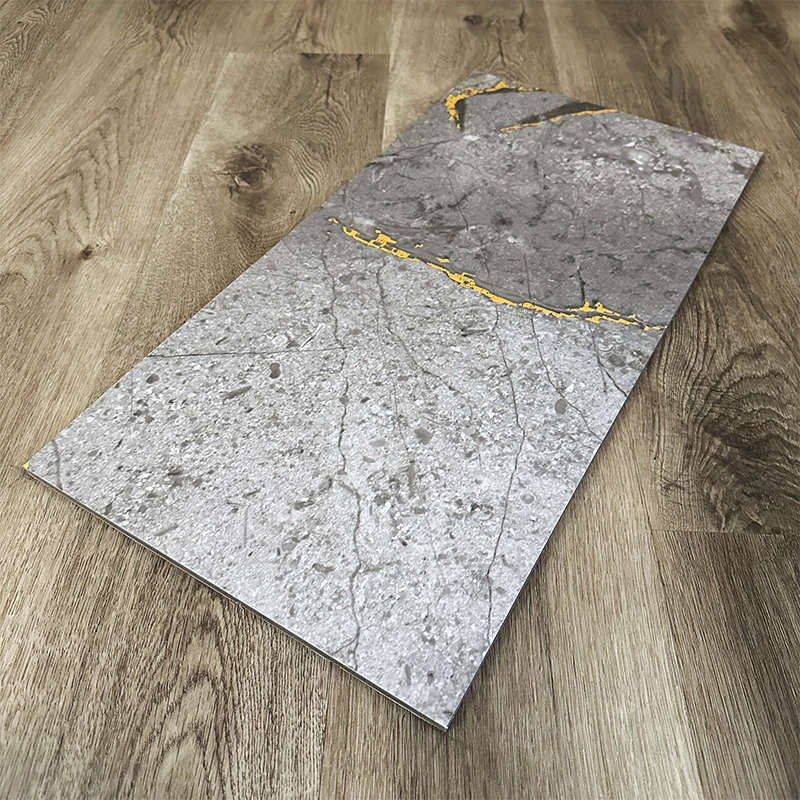
The structural benefits of carbon crystal wall panels—such as robust moisture resistance and long-lasting durability—remain remarkably constant across most product lines. However, selecting the correct surface finish ultimately determines both the aesthetic success and practical maintenance of your interior project. You often face a specific challenge when trying to match synthetic panels to authentic existing materials like real wood, natural marble, or industrial metal. Choosing the wrong texture in commercial or high-end residential spaces can easily make the entire room look cheap and highly artificial.
This comprehensive guide introduces a practical decision framework based on lighting dynamics, expected foot traffic, and actual installation realities. By evaluating these specific environmental factors, we will help buyers and designers confidently choose the exact finish needed for their specific architectural application. You will learn how to balance visual authenticity with long-term performance.
Key Takeaways
Core Consistency, Surface Variance: The underlying carbon crystal substrate provides universal durability, but the top layer (PET, PVC, or melamine) dictates scratch resistance and visual depth.
Wood Matching: Matte, textured finishes perform best for organic transitions, mitigating the artificial glare common in lower-grade panels.
Marble Integration: A High Gloss PET Golden Marble Panel offers the most convincing alternative to heavy, fragile natural stone, especially in large-format commercial lobbies.
Metal Aesthetics: Brushed or matte metallic finishes are required to prevent fingerprinting in high-traffic industrial or modern layouts.
Implementation Focus: Success relies on edge-banding quality, substrate preparation, and understanding precise vendor specifications before procurement.
Defining Success Criteria for Carbon Crystal Wall Panel Finishes
Choosing the best finish for your Carbon Crystal Wall Panel depends heavily on spatial function. A single finish rarely works perfectly across every room in a building. You must map specific finish features to your desired spatial outcomes. For example, high-gloss finishes work exceptionally well in dark corridors because they reflect ambient light and brighten the space. Conversely, matte finishes excel in high-touch environments because they naturally hide fingerprint smudges and minor scuffs.
To evaluate these finishes properly, you must understand their basic material composition. The visible finish is actually a specialized surface film laminated directly onto the dense carbon crystal core. Manufacturers typically use PET (Polyethylene Terephthalate) or PVC (Polyvinyl Chloride) for this top layer. The fundamental quality of this lamination process dictates the panel's long-term delamination resistance. If the factory applies insufficient heat or pressure, the edges will eventually peel in fluctuating temperatures.
Visual authenticity remains the most critical metric for interior designers. Modern production techniques rely heavily on high-definition printing combined with synchronized texture embossing. This technology creates distinct haptic feedback. When you run your hand across a premium panel, the physical grooves should perfectly match the printed grain or veining. This synchronization prevents the surface from looking like a cheap, flat imitation of natural materials. Proper embossing scatters light naturally, creating convincing depth and organic shadowing.
Best Practices for Finish Selection
Assess Light Reflectance: Test physical samples under the exact color temperature (Kelvin) of your project's planned lighting.
Verify Film Thickness: Request surface films thicker than 0.14mm for commercial applications to ensure adequate wear resistance.
Check Edge Wrapping: Inspect how the decorative film wraps around panel edges to prevent moisture ingress.
Wood Interiors: Balancing Organic Warmth with Dimensional Stability
Integrating synthetic materials into spaces featuring real timber presents a distinct design challenge. You need to match real timber's natural grain and low-sheen appearance without causing visual clashes. Human eyes easily detect artificial wood patterns, especially when placed directly adjacent to authentic hardwood floors or solid oak cabinetry. The transition must feel seamless and entirely organic.
We strongly recommend opting for deep-embossed, low-gloss matte finishes for all wood-look applications. The physical texture breaks up light reflections, simulating the porous nature of actual timber. You should strictly avoid high-gloss wood patterns. High-gloss wood immediately signals artificiality because real polished timber rarely exhibits a flawless, plastic-like sheen across large vertical spans.
Despite the challenges of visual matching, carbon crystal panels offer a massive performance advantage over natural timber. Real wood inevitably warps, absorbs ambient moisture, and attracts termite damage over time. By contrast, a synthetic core provides stable, zero-maintenance reality. They perform flawlessly in notoriously damp environments where real wood fails, such as humid luxury bathrooms or subterranean basements.
These specialized wood finishes thrive as feature wall cladding in luxury hotel rooms. Designers frequently specify them for high-end residential living areas designed around biophilic principles. They deliver the psychological warmth of a forest environment without the structural headaches of lumber maintenance.
Marble Interiors: Scaling Luxury with High Gloss PET Golden Marble Panels
Replicating the visual depth, intricate veining, and unique light-reflective properties of polished natural stone remains a complex design challenge. Natural marble possesses a translucent quality. Light penetrates the crystalline structure before reflecting back, giving the stone its signature luxurious glow. Synthetic panels must closely mimic this optical behavior to succeed in premium spaces.
Industry professionals highlight the High Gloss PET Golden Marble Panel as a definitive benchmark for stone replication. PET films offer superior scratch resistance and much better UV stability compared to standard PVC gloss films. When exposed to direct sunlight in a lobby, PVC often yellows over time. PET retains its optical clarity and pristine color fidelity for years.
Achieving true marble aesthetics also requires meticulous attention to joint details. Designers must specify seamless joint profiles. Installers can use ultra-thin aluminum trims or advanced seamless splicing techniques to mimic continuous, massive stone slabs. A poorly executed visible seam instantly shatters the illusion of natural quarried marble.
When you look at scalability, the practical realities heavily favor synthetic panels. Real marble imposes severe weight restrictions on commercial building structures. It requires specialized mechanical anchoring systems and highly skilled masonry labor. Carbon crystal panels offer a lightweight, rapid-deployment alternative. You can clad massive commercial builds in a fraction of the time, radically accelerating project completion dates.
Common Mistakes in Marble Imitation Layouts
Repeating Patterns: Installing panels sequentially from the same batch without mixing them, creating an obvious, repeating visual loop.
Inadequate Substrate Flatness: Applying high-gloss panels to wavy walls, which distorts light reflections and highlights surface imperfections.
Improper Lighting Angles: Placing harsh grazing lights directly above glossy panels, which emphasizes microscopic surface dust rather than the marble pattern.
These high-gloss configurations dominate high-visibility corporate reception desks and sprawling elevator lobbies. They also serve as dramatic, moisture-proof luxury bathroom feature walls where real stone would require constant sealing.
Metal Interiors: Managing Texture and Durability in Modern Spaces
Modern architectural trends often demand an industrial, metallic look. However, achieving this aesthetic with actual sheet metal introduces severe environmental drawbacks. Real metal creates terrible acoustic echoing, feels unpleasant and cold to the touch, and remains highly prone to permanent denting. You must find a way to capture the urban visual appeal while maintaining indoor acoustic comfort.
For metallic designs, you should prioritize brushed, anodized-look, or matte metallic films. These specific textures diffuse light and look incredibly sophisticated. You must actively avoid mirror-finish metals in any high-traffic area. Highly polished metallic films act like magnets for fingerprints. They also display micro-scratches prominently, requiring constant janitorial attention just to look presentable.
You need to evaluate these finishes through a strict durability lens. While the underlying carbon crystal core is exceptionally impact-resistant, the metallic surface layer demands specific care. Metallic films can scuff if subjected to harsh impacts from carts or heavy furniture. Furthermore, facilities management must implement specific cleaning protocols. Staff must use non-abrasive cleaners and microfiber cloths to prevent clouding the metallic sheen.
These industrial textures excel in modern tech offices aiming for a sleek, forward-thinking atmosphere. They perform beautifully in industrial-style retail spaces designed to highlight rugged apparel or modern tech gadgets. Residential designers also frequently deploy them as dramatic, easy-to-clean kitchen backsplashes.
Finish Category
Ideal Surface Texture
Primary Benefit
Best Application Environment
Wood Imitation
Deep-embossed, Matte
Warmth, organic transition
Hotel rooms, residential living areas
Marble Imitation
High Gloss PET
UV stability, depth replication
Corporate lobbies, luxury bathrooms
Metal Imitation
Brushed, Anodized-look
Acoustic dampening, dent resistance
Tech offices, modern retail spaces
Implementation Realities: Rollout Risks and Procurement Standards
Even the most beautiful surface finish will fail if you ignore practical installation realities. Proper execution requires rigorous substrate preparation. Carbon crystal panels demand reasonably flat surfaces for a professional finish. If you apply them over uneven masonry or deteriorating drywall, the panels will eventually bow. Installers must use leveling battens or structural shims to create a perfectly plumb framework before attaching the panels.
Seam management is another critical rollout risk. Depending on your chosen finish, you must handle joints differently. Wood finishes often benefit from color-matched sealants that blend into the organic grain. Metal and marble finishes typically require architectural metal T-bars or H-channels to create deliberate, clean visual breaks. You must plan these transitions during the blueprint phase, not during on-site installation.
For B2B buyers and trade professionals, shortlisting vendors requires strict logical criteria. Do not accept vague marketing claims. Demand transparency on the following procurement standards:
Core Density: Ask for exact density metrics. A denser structural core prevents localized crushing upon impact in heavy-traffic corridors.
Adhesive Quality: Inquire specifically about the PUR (Polyurethane) hot-melt adhesive used to bond the surface film. Standard adhesives fail and cause peeling when exposed to extreme temperature fluctuations near large windows.
Safety Compliance: Verify the materials hold Class B1 or Class A fire-retardant certifications. Additionally, request documentation proving they meet strict E0 rating formaldehyde emission standards before authorizing bulk orders.
Conclusion
Selecting the optimal finish requires a strategic balance between aesthetic goals and environmental demands. Matte and textured finishes remain the undisputed choice for capturing organic wood warmth. A High Gloss PET finish delivers the most convincing, scalable solution for luxury marble integrations. Meanwhile, brushed and matte metallic textures provide industrial sophistication without the acoustic and maintenance drawbacks of real steel.
Your most actionable next step is to physically validate your choices. Never finalize a massive procurement order based solely on digital catalogs or PDF brochures. Urge your procurement team to request physical sample kits. Test these samples directly in your actual project environment. Evaluate them against your specific light reflection angles, perform localized scratch tests, and meticulously inspect the edge-banding quality before signing the final contract.
FAQ
Q: Do high-gloss marble finishes on carbon crystal panels scratch easily?
A: PET-based high-gloss finishes resist scratches remarkably well for wall applications. They are not entirely indestructible, however. They significantly outperform standard acrylics in daily wear. You should still avoid subjecting them to heavy, sharp abrasions. Use soft cloths for cleaning to maintain their reflective shine over time.
Q: How does the cost of a High Gloss PET Golden Marble Panel compare to real marble?
A: The upfront material cost of a synthetic panel is substantially lower than authentic quarried stone. Beyond the product price, major financial savings come from simplified logistics. You drastically reduce structural support requirements because the panels weigh much less. Installation labor is also much faster, eliminating specialized masonry work.
Q: Can these finishes be applied over existing tile or drywall?
A: Yes, you can apply them directly over existing tile or drywall. Installers typically use specialized structural adhesives for a secure bond. You must ensure the existing wall surface remains entirely dry, structurally sound, and perfectly plumb. Leveling battens might be necessary if your current masonry shows significant unevenness.
The company was established in 2018 and specializes in new environmentally friendly indoor decorative materials such as SPC flooring, WPC flooring, carbon crystal flooring, wood veneer panels, and carbon crystal wall panels.