When it comes to elevating interior spaces with texture and architectural detail, both fluted wall panels and reeded wall panels have become increasingly popular choices among homeowners, designers, and architects. These decorative wall treatments add depth, interest, and a sophisticated touch to walls, ceilings, furniture, and more. However, while they might seem similar at first glance, fluted and reeded panels each have unique characteristics that influence their look, feel, and ideal applications.
Understanding the differences between fluted and reeded wall panels will help you make informed decisions about which style best suits your space, design preferences, and functional needs. This article breaks down the definitions, visual and material distinctions, and practical considerations to guide your next interior project.
1.Definition and Characteristics of Fluted Wall Panels
A fluted wall panel is a decorative wall covering featuring a series of evenly spaced, vertical grooves—commonly called “flutes.” These grooves tend to be wider and more pronounced than those found in reeded panels, creating a bold, sculptural effect that brings rhythm and texture to otherwise flat surfaces.
Fluted panels are often made from a variety of materials, including:
Medium-Density Fiberboard (MDF): A popular choice for its smooth finish and ease of painting or staining.
Natural Wood: Offers a warm, organic feel with visible grain patterns, though it requires more maintenance.
PVC and Composites: Durable, moisture-resistant options ideal for bathrooms, kitchens, or high-traffic areas.
The vertical grooves in fluted panels create a dynamic play of light and shadow, adding depth and dimension to walls. This three-dimensional texture can visually elongate a room, making ceilings feel taller and spaces more expansive.
Fluted wall panels are versatile in application, commonly used for:
Accent walls in living rooms or bedrooms
Feature walls behind televisions or fireplaces
Decorative ceilings or room dividers
Commercial spaces like hotels and offices seeking a modern, architectural look
The wide, bold grooves make fluted panels ideal for creating statement pieces that combine style with tactile appeal.
2.Definition and Characteristics of Reeded Wall Panels
In contrast, reeded wall panels feature much narrower, more closely spaced grooves, which give them a subtler texture. The term “reeded” originates from classical architecture, where thin parallel lines, resembling reeds, were carved into columns or moldings.
Reeded panels are characterized by:
Thin, delicate grooves that provide a refined, understated pattern
A texture that reads as soft vertical or horizontal lines rather than pronounced ridges
Common materials similar to fluted panels, including MDF, wood, and synthetics
Visually, reeded panels offer a more sophisticated and subtle effect compared to the boldness of fluted panels. The fine lines create a gentle rhythm on the surface that enhances wall texture without dominating the space.
Because of their delicate appearance, reeded panels are often favored for:
Applications where a softer tactile experience is desired, such as behind furniture or on cabinetry fronts
Spaces aiming for elegance and simplicity rather than bold architectural statements
3.Key Differences Between Fluted and Reeded Wall Panels
Understanding the key differences can help you determine which panel type fits your project best.
Groove Size and Spacing
Fluted Panels: Feature wider, deeper grooves typically spaced further apart. This creates a pronounced, dramatic texture that commands attention.
Reeded Panels: Have much narrower grooves placed closely together, resulting in a fine, delicate texture that is more subtle.
Visual Impact
Fluted: Bold, architectural, and sculptural, ideal for feature walls or focal points where texture needs to be a design centerpiece.
Reeded: Soft, refined, and understated, perfect for adding texture without overwhelming a room.
Typical Finishes and Material Choices
Both panel types come in similar materials like MDF, wood, PVC, and composites. However, reeded panels are often finished to emphasize subtlety and smoothness, while fluted panels sometimes have more rustic or tactile finishes.
Fluted panels may use deeper stains or textures to accentuate their bold grooves, whereas reeded panels often sport matte or satin finishes to preserve the delicate look.
Suitability for Room Types and Styles
Fluted panels suit larger rooms or commercial spaces where a strong visual statement is desired.
Reeded panels are well suited for smaller rooms, cozy residential spaces, or where minimalist or Scandinavian design is favored.
Installation and Maintenance
Both panel types are generally similar to install and maintain, though the wider grooves of fluted panels might collect more dust and require occasional cleaning in the grooves.
Reeded panels, with their finer grooves, might be slightly easier to clean but may show scratches or dents more visibly if made of softer materials.
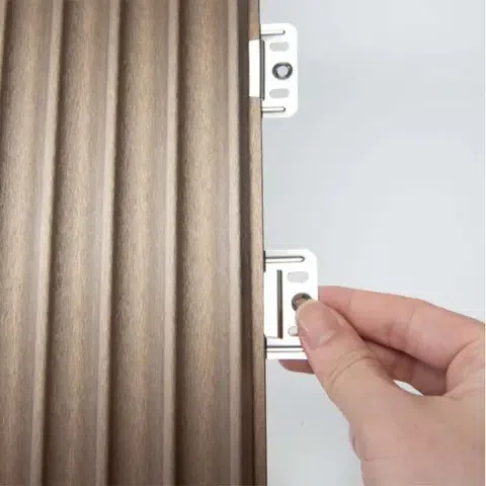
4.When to Choose Fluted vs Reeded Wall Panels
Your choice between fluted and reeded panels depends largely on your design goals, room characteristics, and practical needs.
Design Goals
Choose fluted wall panels if you want a dramatic, architectural feature that acts as a focal point. Their bold texture commands attention and adds significant depth to walls.
Choose reeded wall panels if you prefer a subtle, elegant texture that complements rather than competes with your overall décor.
Room Size and Lighting
In larger rooms or well-lit spaces, fluted panels enhance scale and create engaging shadow play.
In smaller rooms, reeded panels can add texture without making the space feel busy or cramped.
Furniture and Decor Compatibility
Fluted panels pair well with mid-century modern, contemporary, or industrial styles that embrace strong geometric lines.
Reeded panels complement Scandinavian, minimalist, or traditional interiors with softer textures and clean lines.
Practical Concerns
Both panels generally offer easy maintenance, but PVC or composite fluted panels excel in moisture resistance, making them suitable for bathrooms or kitchens.
Reeded panels, often in MDF or wood, are best in dry, controlled environments to avoid damage to delicate grooves.
Budget and Availability
Pricing is often comparable, but custom finishes or exotic woods may increase costs. Factory-direct suppliers, like Guangdong Kaxier Wall Panel Factory, can offer competitive pricing on both styles.
5.How to Incorporate Fluted and Reeded Panels Together
For those wanting to play with textures, mixing fluted and reeded panels in one space can create rich, layered interiors.
Design Ideas
Use fluted panels on a main feature wall for bold visual impact, while applying reeded panels to adjacent walls or cabinetry for subtle texture contrast.
Combine both styles in ceiling treatments, where fluted panels highlight the central area and reeded panels soften edges or cornices.
Coordinate colors and finishes between the two to maintain cohesion, choosing complementary hues or matching stains.
Practical Tips
Plan your layout carefully to avoid visual clutter.
Ensure groove directions align with room proportions—vertical grooves elongate walls, horizontal grooves widen them.
Use lighting, like LED strips, to accentuate textures and create dramatic shadow effects.
6.Conclusion
Fluted and reeded wall panels both provide unique ways to enhance interior spaces with texture, depth, and architectural interest. While fluted wall panels are characterized by their wide, bold vertical grooves that make a strong visual statement, reeded panels offer narrow, closely spaced grooves that deliver a refined, subtle texture.
Your choice between these two styles should reflect your design vision, room dimensions, lighting, and practical considerations such as maintenance and durability. Both types can be manufactured in various materials including MDF, wood, PVC, and composites, providing options that fit budgets and performance needs.
By understanding the nuances between fluted and reeded panels, you can confidently select the ideal solution to elevate your interiors, whether you’re renovating a residential living room, outfitting a commercial lobby, or adding unique touches to cabinetry or ceilings.
For high-quality fluted wall panels and expert guidance, consider trusted manufacturers like Guangdong Kaxier Wall Panel Factory. Their wide selection, customization options, and factory-direct pricing make it easy to find the perfect panels for your project.


