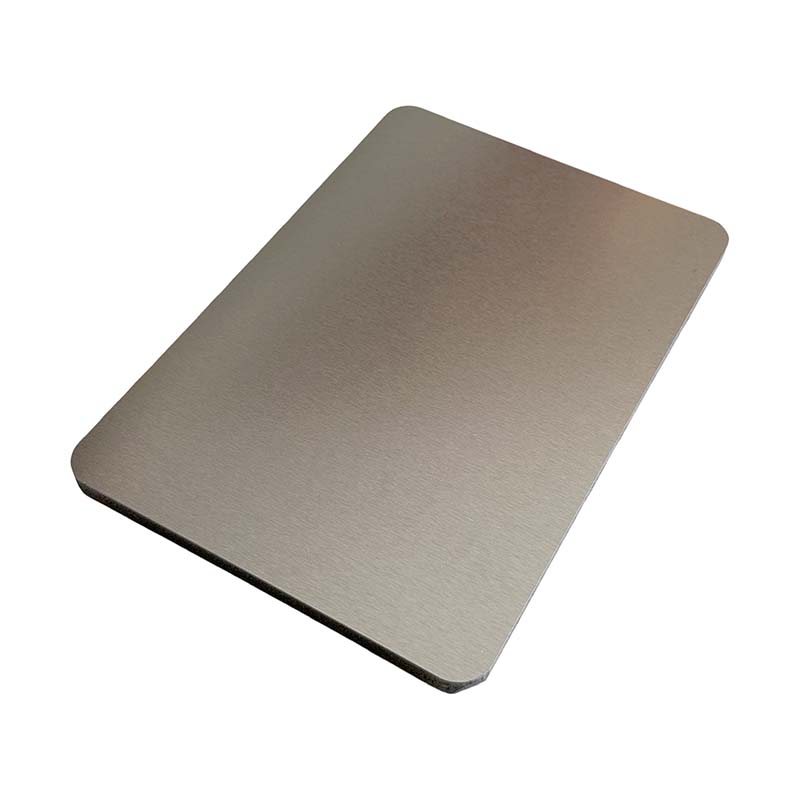
The popularity of modern interior cladding has surged recently. Many buyers initially focus on the visual hype. However, savvy property owners look much deeper. They prioritize structural integrity and long-term material longevity. Understanding panel composition is not just a minor manufacturing detail. It acts as the primary driver for essential waterproof capabilities. It dictates ongoing maintenance needs and secures overall project return on investment. You must separate high-quality solid composites from cheap hollow plastics. We will introduce a complete breakdown of core materials below. Procurement teams can use this guide to streamline sourcing. Property owners will also find it highly valuable for renovation planning. It helps you evaluate if a specific charcoal wall panel meets your strict compliance and performance standards. Your final material choice heavily impacts daily space utilization and durability.
Key Takeaways
Core Composition: Charcoal wall panels are engineered composites, primarily blending bamboo charcoal powder with PVC resin to create a highly dense WPC (Wood-Plastic Composite) core.
Performance Upgrades: The inclusion of active charcoal significantly increases moisture resistance, prevents warping, and provides natural antibacterial properties compared to standard MDF or basic PVC.
Premium Variations: Advanced manufacturing allows for sophisticated finishes, such as the Gold Metal Carbon Crystal WPC Wall Panel, which integrates high-gloss, scratch-resistant surface layers.
Evaluation Focus: Buyers should shortlist panels based on core density, VOC emission certifications, and specific fire-retardant ratings rather than surface appearance alone.
The Structural Anatomy of a Charcoal Wall Panel
Procurement teams often struggle to differentiate between cheap imitations and high-quality panels. Surface appearances can be highly deceptive. An inferior hollow plastic board might look identical to a premium composite from a distance. Understanding the exact cross-section prevents purchasing structurally weak materials. A detailed breakdown helps you avoid costly material failures. We can divide a true solid composite into three critical layers.
The Core Layer (Bamboo Charcoal & Polymer Resin)
The core layer dictates the overall strength of the product. Manufacturers use a specialized extrusion process to form this base. They combine fine bamboo charcoal fiber, high-grade PVC or polymer resins, and calcium carbonate. You can think of calcium carbonate as a structural stiffener. The manufacturing process involves several steps:
Workers pulverize raw bamboo into a fine, active charcoal powder.
They blend this powder evenly into liquid polymer resins.
The mixture undergoes high-heat extrusion to form a dense, solid board.
The charcoal acts as a powerful binding strengthener. It also serves as a natural moisture repellant. This unique mixture eliminates the pores found in traditional wood. It prevents water molecules from penetrating the core. As a result, the board resists swelling and rotting completely.
The Decorative Film Layer (Aesthetic Lamination)
The middle section provides the visual appeal. Manufacturers apply a decorative film layer over the solid core. They typically use high-quality PVC or PET laminate films. These films replicate wood grain, natural stone, or metallic textures with stunning realism. The printing technology ensures deep, authentic colors.
The bonding method is just as important as the film itself. Premium factories utilize a thermal bonding process. They apply PUR (polyurethane reactive) hot-melt adhesive. This specific glue cures through moisture in the air. Once set, it forms an unbreakable bond. It prevents the decorative film from delaminating or peeling in humid environments.
Common Mistake: Avoid panels glued with standard cold-press adhesives. They often peel off when exposed to direct sunlight or indoor heating.
The Wear Resistance & Protective Shield
The topmost layer acts as a vital protective shield. Manufacturers apply a transparent UV-coating or a dedicated anti-scratch overlay. This layer seals the decorative film completely. It ensures excellent colorfastness against harsh sunlight. UV rays normally fade untreated laminates within months. This shield prevents that degradation.
It also defends against commercial wear-and-tear. High-traffic areas see constant impacts and friction. The anti-scratch overlay absorbs these daily abrasions. It keeps the aesthetic layer looking pristine. You can easily wipe away stains without damaging the underlying print.
Bamboo Charcoal PVC vs. Regular PVC Panels: An Evaluation Framework
Industry professionals must understand distinct solution categories. We compare the legacy approach against the modern solution. The legacy approach relies on hollow, standard PVC boards. The modern solution utilizes solid charcoal composites. They serve entirely different project demands. Let us examine how they perform across vital metrics.
Density & Impact Resistance
Standard hollow PVC features thin plastic ridges. It is highly prone to denting and puncturing. A simple bump from a chair can crack a hollow board. In contrast, the solid extrusion of charcoal panels withstands high-traffic impacts. The dense core absorbs shocks easily. You can install them in busy hotel corridors or bustling family living rooms.
Thermal & Dimensional Stability
Temperature fluctuations destroy cheap materials. Standard plastics expand significantly in the heat. They contract rapidly in the cold. This movement causes visible buckling at the joints. A high-quality Charcoal Wall Panel has a significantly lower expansion and contraction coefficient. The bamboo fibers stabilize the plastic matrix. The panels remain perfectly flat throughout distinct seasonal changes.
Eco-Friendliness & Off-Gassing
Modern building codes heavily emphasize indoor air quality. Basic PVC relies entirely on virgin plastics and toxic plasticizers. They often emit harmful chemical odors over time. Bamboo charcoal composite offers a sustainable, eco-friendly alternative. It utilizes fast-growing, renewable bamboo. The manufacturing process adheres to strict formaldehyde-free standards. A reputable panel will meet the E0 emission standard. It guarantees safe off-gassing levels for residential spaces.
Material Comparison: Solid Composite vs. Hollow Plastic
Performance Feature
Solid Bamboo Charcoal Composite
Standard Hollow PVC
Core Density
High (Solid, rigid structure)
Low (Hollow, fragile ridges)
Impact Resistance
Excellent (Resists blunt force)
Poor (Prone to puncturing)
Thermal Stability
High (Minimal expansion)
Low (Buckles under heat)
Eco-Friendliness
High (Recycled bamboo, E0 rated)
Low (Virgin plastic, higher VOCs)
Specialty Compositions: Gold Metal Carbon Crystal WPC Wall Panels
Commercial design projects require specialized high-end solutions. Standard wood grains do not always fit luxury aesthetics. Designers often need premium materials for hotel lobbies and hospitality sectors. Manufacturers have developed advanced variations to meet these exact design requirements. These innovations bridge the gap between heavy traditional materials and modern composites.
What is "Carbon Crystal"?
Carbon crystal represents a major leap in material science. It involves an advanced manufacturing step. Engineers integrate microscopic carbon crystal powder directly into the WPC matrix. This addition transforms the physical properties of the board. It creates an ultra-rigid structure. Despite this extreme rigidity, the board remains surprisingly lightweight. It offers a higher strength-to-weight ratio than standard MDF or plywood.
Best Practice: Use carbon crystal boards for large, continuous wall spans. Their superior rigidity prevents bowing over long distances.
The "Gold Metal" Lamination
The visual finish defines the luxury experience. A Gold Metal Carbon Crystal WPC Wall Panel uses specialized aesthetic layers. Factories apply brushed or polished metallic PET foils. These foils capture the exact sheen and reflectivity of real brass or gold. The PUR adhesive bonds the metal foil securely to the carbon crystal core. It delivers a flawless, mirror-like or brushed metallic finish.
Implementation Benefit
This specific material stack provides massive implementation benefits. It achieves the look and feel of heavy metal or stone cladding. However, it does so at a fraction of the weight. Real metal panels require heavy machinery to lift. They demand reinforced structural backing. Carbon crystal panels drastically reduce these installation labor costs. They also eliminate severe structural load constraints. You can mount them quickly using standard adhesive systems.
Translating Material Specs to Project Outcomes
Understanding the material stack is only the first step. You must align these material compositions with specific project outcomes. Technical specifications directly influence daily performance. We guide you on how to evaluate dimensions against key performance indicators (KPIs).
Moisture & Mold Resistance (The Bathroom/Basement Test)
Damp environments destroy traditional building materials quickly. Basements and bathrooms expose walls to constant humidity. The charcoal and resin mix features a completely non-porous nature. It yields a reliable 100% waterproof rating. Water simply beads up and rolls off the surface. Mold spores cannot root into the dense plastic matrix. This resistance drastically reduces replacement frequencies over the building's lifespan.
Fire Retardancy & Safety Compliance
Commercial spaces demand strict fire safety compliance. The mineral and PVC mixture provides inherent fire-retardant properties. Quality panels typically achieve a Class B1 fire rating. They will not easily ignite. If exposed to a direct flame, they self-extinguish quickly once the heat source is removed. They also produce less toxic smoke than pure plastic boards.
Best Practice: Always advise buyers to request specific lab test certificates. Do not rely on verbal vendor promises regarding fire safety ratings.
Acoustic & Thermal Insulation
Interior comfort relies on good acoustic and thermal regulation. The dense material matrix of a charcoal panel provides a strong baseline for sound dampening. It reduces echo in large, empty rooms. It also blocks minor sound transmission between partition walls. Additionally, the solid core offers mild thermal insulation. It helps keep rooms slightly warmer in winter and cooler in summer. It adds an extra layer of efficiency to your interior envelope.
Implementation Realities, Sizing, and Rollout Risks
Even the best materials fail if installed incorrectly. Project managers must understand implementation realities. Proper planning prevents delays and wasted materials on the job site. You must account for sizing, logistics, and adhesive requirements.
Scalability & Formatting
Panel dimensions dictate the final visual outcome. Manufacturers offer standard sizing to maximize scalability. You will frequently find standard 8ft by 4ft sheets. Some brands also offer interlocking plank formats. Sizing dictates whether you achieve seamless aesthetics or visible joints.
Large 8x4ft sheets minimize joint lines for a monolithic look.
Interlocking planks provide a traditional shiplap appearance.
Custom heights (like 9ft or 10ft) eliminate horizontal seams entirely in tall rooms.
Installation Logistics
Cutting carbon crystal and charcoal panels involves specific logistics. You do not need specialized stone saws. Installers can use standard woodworking tools. A fine-tooth circular saw or a jigsaw cuts through the material cleanly. However, cutting solid composite generates ultra-fine dust. This dust can irritate the lungs and eyes. Installers must wear proper Personal Protective Equipment (PPE). You must enforce the use of N95 masks and safety goggles on site.
Adhesive & Substrate Requirements
These panels offer incredible rigidity. However, they are heavy. You cannot use basic double-sided tape for long-term mounting. They require specific structural adhesives. Installers should apply high-quality silicone or heavy-duty construction glues (like Liquid Nails). Furthermore, the substrate must be properly prepared.
You need a relatively flat drywall or plywood substrate. If you mount rigid boards on a highly uneven wall, the adhesive will fail. The panel will pop off the wall under tension. Always check the wall with a long level before beginning the adhesive application.
Conclusion
A true charcoal wall panel is much more than a marketing buzzword. It is a highly engineered, solid composite designed for modern interiors. It provides exceptional high-density impact resistance. It delivers complete waterproof stability. It is not simply black-colored hollow PVC. When you understand the core material stack, you make better procurement decisions.
Decision-makers must rely on strict shortlisting logic. You should prioritize suppliers who operate with transparency. Ask them to list their exact charcoal-to-resin ratios. Demand updated fire-safety certificates before signing contracts. Always insist on receiving physical samples to test the core density yourself.
Your next step is clear and action-oriented. Do not commit to a bulk commercial order blindly. Request a material sample today. Ask the manufacturer for a comprehensive Technical Data Sheet (TDS). Verify the claims, test the surface, and ensure it perfectly aligns with your project requirements.
FAQ
Q: Are charcoal wall panels toxic?
A: High-quality charcoal panels are non-toxic and entirely safe for indoor use. You should look for products that meet strict E0 or E1 formaldehyde emission standards. The bamboo charcoal core combined with premium resins ensures the panels remain VOC-compliant. They do not release harmful chemical off-gassing into your living spaces.
Q: How long do charcoal composite panels last?
A: You can expect a very long lifespan from these composites. They typically last 15 to 25 years or more in indoor environments. The WPC core is non-biodegradable, meaning it will not rot, warp, or decay over time. The anti-scratch UV surface also prevents rapid visual degradation.
Q: Can they be installed directly over existing tiles or brick?
A: Yes, but substrate preparation is vital. You can install them directly over flat, clean ceramic tiles using heavy-duty structural adhesives. However, rough or uneven brick walls are problematic. You will usually need to install a wooden batten framework or apply a leveling compound first.
Q: What is the difference between WPC louvers and Charcoal smooth panels?
A: Both products share very similar bamboo charcoal and WPC base materials. The primary difference lies in the aesthetic profile. WPC louvers feature a ribbed, 3D fluted design used for textured accent walls. Charcoal smooth panels offer a large-format, completely flat surface ideal for seamless, wide-area cladding.
The company was established in 2018 and specializes in new environmentally friendly indoor decorative materials such as SPC flooring, WPC flooring, carbon crystal flooring, wood veneer panels, and carbon crystal wall panels.