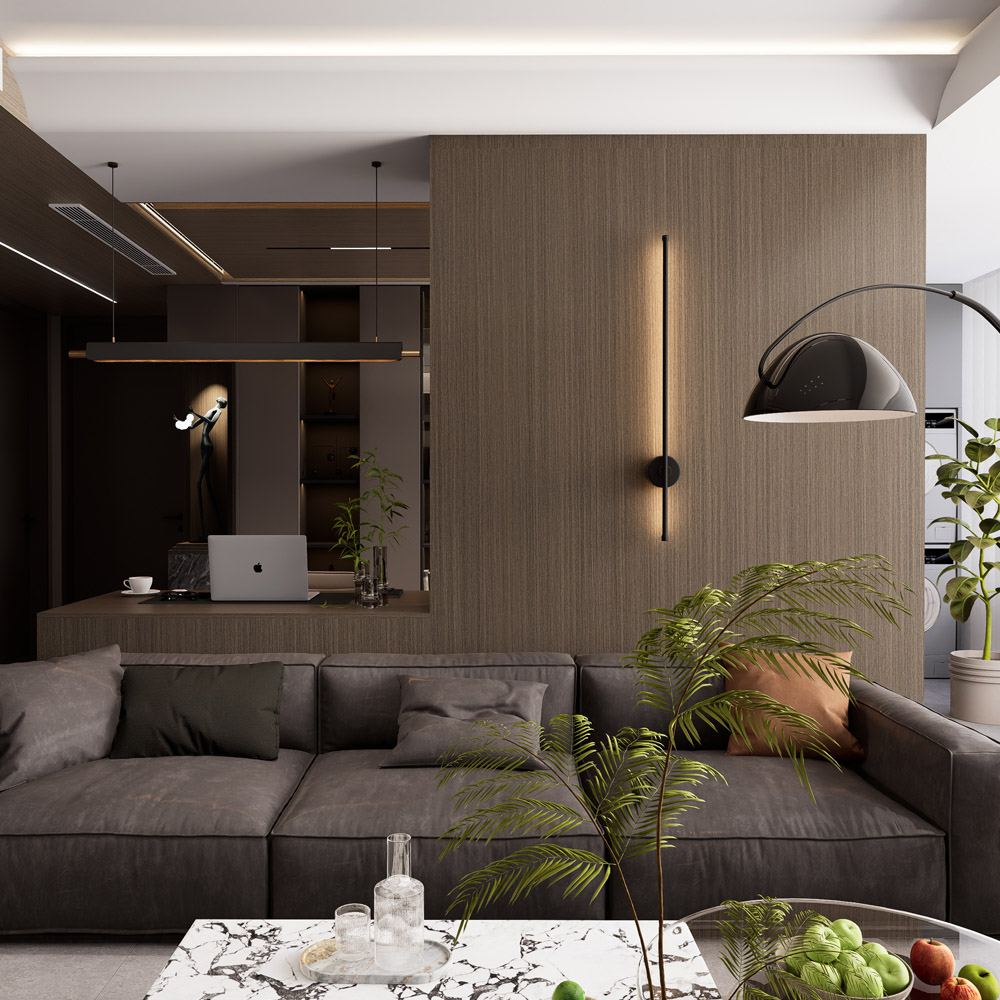
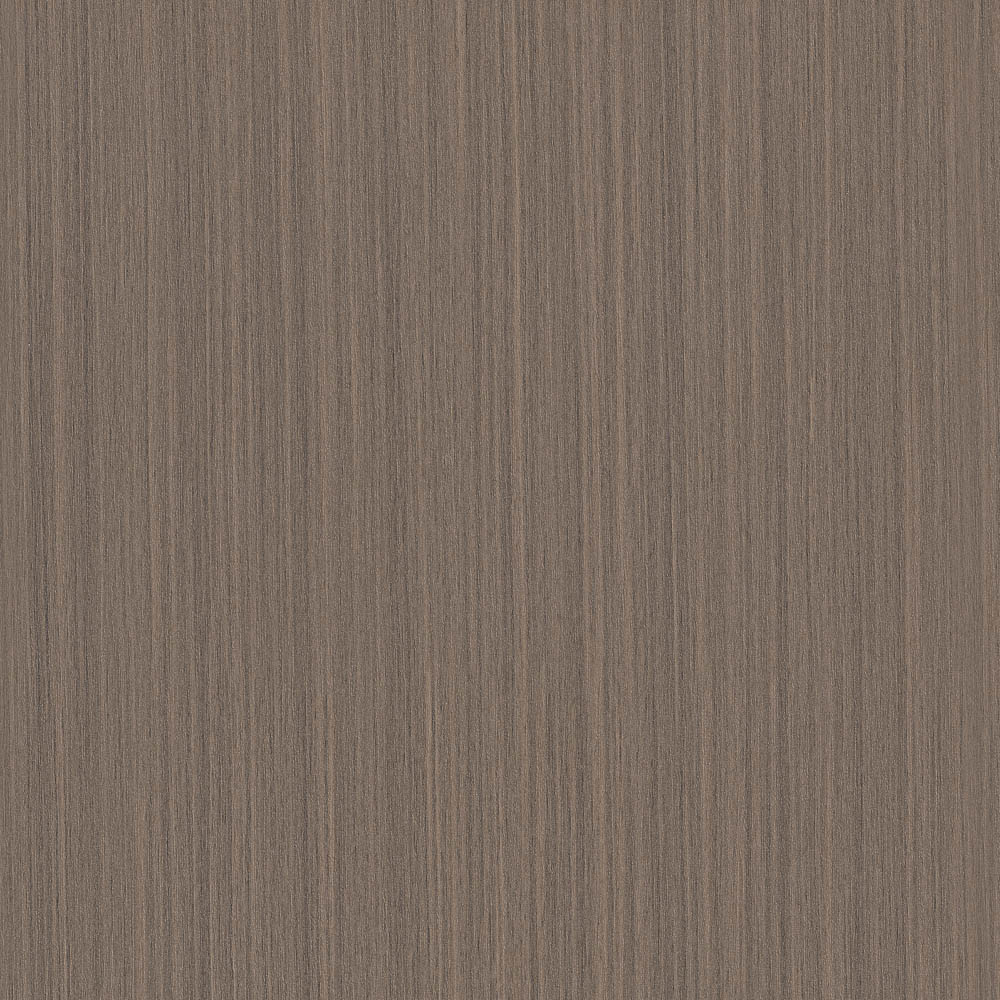
Wall finishes are often judged by appearance first, but the real test begins after installation: steam in the kitchen, fingerprints near switches, scuffs in corridors, and repeated cleaning. A Carbon Crystal Boardaddresses these everyday pressures with a high-density composite structure designed for moisture resistance, surface hardness, stain resistance, easy cleaning, and decorative flexibility. For anyone comparing paint, wallpaper, MDF, ordinary PVC panels, or acarbon crystal wall panelfor interior walls, the key question is not only which option looks better, but which one stays practical longer.
Better Surface Strength for Walls That Get Used Every Day
Built for bumps, scratches, and regular contact
The biggest advantage of a Carbon Crystal Board is not only how it looks, but how well it handles daily contact. In real interiors, walls are not museum glass. Entryways take hits from bags and shoes, hotel corridors meet luggage corners, shop walls deal with traffic, and TV background walls collect fingerprints from constant use. A softer surface may look elegant at first, but dents, scuffs, and stains quickly turn the wall into a small archive of accidents.
The board’s composite structure gives it a more practical working surface for these areas. A three-layer base material with strong hardness and impact resistance helps explain why the material is often used for interiors that need durability as well as decoration. This does not mean the board is impossible to damage, but it does mean it is better suited to walls that people actually touch, clean, lean against, or pass by every day.
A Carbon Crystal Board can also reduce the anxiety that comes with delicate decorative finishes. A painted feature wall may need touch-ups after furniture installation. Wallpaper can tear at corners or peel near edges. A low-density decorative board may show dents when hit by hard objects. By contrast, a harder composite wall panel gives the surface more staying power, especially in busy homes, apartments, rental properties, offices, and hospitality interiors.
More stable than soft or absorbent wall finishes
Wall stability matters because many decorative materials fail slowly rather than dramatically. Paint becomes marked and uneven. Wallpaper can lift at seams or stain in high-contact zones. MDF and other wood-based panels may absorb moisture if the environment is poorly controlled, creating swelling or edge deformation. These problems are not only cosmetic; they usually lead to extra labor, patching, repainting, or replacement.
A Carbon Crystal Board is useful when the goal is to keep the wall clean-looking for years, not just attractive after installation. Its denser structure and harder surface help it resist the small, repeated damage that ordinary walls collect over time. In homes, that can mean cleaner hallways and longer-lasting TV walls. In commercial settings, it can mean fewer visible marks in reception areas, retail displays, corridors, and office partitions.
The advantage becomes clearer when comparing it with finishes that depend heavily on surface delicacy. Wallpaper offers patterns, but it dislikes repeated abrasion. Paint is flexible in color, but it rarely enjoys being scrubbed again and again. A Carbon Crystal Board works better where decorative value and surface toughness need to stand on the same pair of legs.
Strong Moisture Resistance Where Ordinary Wall Materials Struggle
A safer choice for humid rooms and splash-prone areas
Moisture is one of the most common reasons interior wall finishes fail. Kitchens produce steam and grease. Bathrooms carry humidity into corners and seams. Basements often face poor ventilation. Laundry areas and commercial wash zones may experience repeated splashes or water vapor. In these environments, a wall material needs more than a pretty face; it needs a body that does not panic when the air gets damp.
A Carbon Crystal Board offers an advantage because its composite structure is designed to resist water and moisture better than absorbent wall coverings. Its waterproof and moisture-proof properties help block water vapor and moisture, reducing the risk of seepage, leakage, and mold-related wall problems. This makes the material especially relevant for buyers comparing a carbon crystal wall panel with paint, wallpaper, MDF, or standard decorative sheets in wet or semi-wet spaces.
The benefit is practical rather than theoretical. A kitchen wall behind a counter may need to handle oil mist, steam, and cleaning. A bathroom feature wall may need to stay flat despite humidity. A basement renovation needs materials that do not invite swelling or musty odors. When moisture resistance is part of the selection criteria, a Carbon Crystal Board becomes a stronger candidate than finishes that rely on paper, porous fiberboard, or thin decorative coatings.
Fire-retardant and low-odor performance add another layer of confidence
Safety and indoor air comfort also matter when choosing wall materials, especially for enclosed spaces. The PET metal carbon crystal wall panel is available with B1 flame-retardant performance and E0 environmental protection in its product specifications. The same material is also positioned as eco-friendly and non-toxic, with less odor than traditional paint after installation. These details are useful for projects where the wall surface is part of a larger indoor environment strategy.
That said, buyers should treat product ratings as items to verify, not slogans to memorize. Hotels, offices, schools, malls, restaurants, and public interiors often need documentation for fire performance, emissions, and installation compatibility. A supplier should be able to provide relevant test reports, technical sheets, and guidance for the intended use. The stronger the project requirements, the more important this paperwork becomes.
For residential users, the same logic applies on a smaller scale. A low-odor wall panel can help reduce waiting time after renovation. Fire-retardant performance may offer extra confidence in kitchens, corridors, and shared building spaces. A Carbon Crystal Board should be selected not only for appearance, but also for how its safety and environmental claims match the room, local requirements, and installation conditions.
Premium Decorative Effects Without Heavy Traditional Materials
Stone, metal, wood, and fabric looks in a lighter panel format
One reason Carbon Crystal Board has gained attention is its ability to deliver a high-end decorative effect without forcing the buyer into heavy traditional materials. Natural stone looks impressive, but it is expensive, heavy, and demanding to install. Real metal surfaces can feel sleek, yet they may require complex fixing, careful handling, and ongoing maintenance. Solid wood has warmth, but moisture, insects, and deformation can become long-term concerns.
A Carbon Crystal Board approaches the problem differently. Instead of relying on a single natural surface, it combines a composite substrate with a decorative film layer. Surface directions can include PP film, PVC film, PET film, metal film, and water-based cross-cloth base film, giving designers room to match different interior styles. This makes the material useful for projects that want marble, metal, wood, leather, or fabric-inspired looks without carrying the full burden of those original materials.
Design flexibility also helps avoid a common renovation trap: choosing a beautiful surface that does not suit the room’s workload. A stone-effect panel can create a feature wall without the weight of stone slabs. A wood-look finish can soften a bedroom or living room while avoiding some issues associated with natural wood panels. A metal-texture surface can sharpen a commercial interior without turning the installation into a metalworking project.
Finish comparison table
Finish direction
Visual impression
Best rooms or projects
Practical advantage
Marble effect
Bright, polished, architectural
TV walls, hotel lobbies, apartment upgrades
Stone-like look without heavy slab installation
Wood grain
Warm, natural, softer
Bedrooms, living rooms, offices
Wood style with better moisture resistance than many wood-based boards
Brushed metal
Sleek, modern, commercial
Reception walls, retail spaces, kitchens
Metal-like surface without the weight of real metal
Fabric or cloth texture
Subtle, calm, layered
Bedrooms, offices, hospitality rooms
Adds texture without fragile textile wallcovering
High-gloss PET
Clean, reflective, premium
Feature walls, malls, restaurants
Smooth surface that supports easier cleaning
Easier Cleaning and Lower Maintenance Over Time
Scrubbable surfaces for busy homes and commercial interiors
Cleaning is where many decorative materials reveal their true personality. A wall may look wonderful in a showroom but become frustrating after months of fingerprints, dust, shoe marks, cooking splashes, or light scuffs. Busy homes need surfaces that can be wiped without fear. Commercial interiors need walls that can recover quickly from daily traffic. A Carbon Crystal Board has an advantage because its surface is designed for easier maintenance.
The PET metal carbon crystal wall panel uses an anti-dust, stain-resistant PET coating, and the panel can be scrubbed directly with water without bubbling or deformation. For kitchens, this means grease marks and splashes can be managed more easily than on many porous or paper-based finishes. For retail spaces and offices, dust and fingerprints become less of a permanent decoration. For homes with children, pets, or frequent visitors, the wall is less fragile in everyday use.
The cleaning benefit also supports appearance over time. A surface that can be wiped regularly is more likely to keep its intended color, texture, and finish. Paint may lose uniformity after repeated scrubbing. Wallpaper can stain or lift. Some decorative boards may bubble when exposed to moisture during cleaning. A Carbon Crystal Board gives the wall a better chance of staying visually calm under ordinary use.
Fewer repainting, patching, and replacement problems
Maintenance cost is not always paid at the checkout counter. Sometimes it arrives later as repainting, patching, seam repair, stain covering, or early replacement. Basic paint and wallpaper often appear economical at first, but the long-term equation changes in busy or humid spaces. If a wall needs frequent correction, the cheaper material begins charging rent in labor and downtime.
A Carbon Crystal Board may have a higher upfront cost than simple paint or wallpaper, but its value comes from reducing repeated maintenance. The harder surface helps limit everyday damage. The moisture resistance helps avoid swelling and peeling. The scrubbable finish makes routine cleaning faster. Together, these traits reduce the number of small repairs that gradually turn a wall into a project again.
This is especially important for commercial interiors. Hotels, restaurants, offices, and malls do not want walls that need constant touch-ups during operating hours. A durable panel system can help preserve a neat appearance with less interruption. For homeowners, the benefit is quieter but still valuable: fewer weekends spent repainting corners, hiding marks, or replacing damaged sections.
Conclusion
A Carbon Crystal Board is valuable when wall materials must balance appearance with daily performance. Its advantages come through in moisture-prone rooms, high-traffic interiors, feature walls, and projects where easy cleaning, surface strength, and faster installation can reduce long-term maintenance. A carbon crystal wall panel also gives designers more freedom to create stone, wood, or metal-like effects without relying on heavier traditional materials. GUANGDONG KAXIER GREEN BUILDING MATERIALS CO., LTD. offers carbon crystal wall panels and related decorative materials for residential and commercial interiors, helping projects achieve cleaner finishes with practical durability.
FAQ
Q: What are the main advantages of a Carbon Crystal Board?
A: A Carbon Crystal Board offers moisture resistance, surface hardness, impact resistance, easy cleaning, and decorative flexibility, making it useful for both residential and commercial wall applications.
Q: Is a carbon crystal wall panel suitable for bathrooms or kitchens?
A: Yes, it is commonly used in humid or splash-prone spaces because its dense structure helps resist moisture, swelling, mold risk, and surface deformation.
Q: How is Carbon Crystal Board different from MDF or wallpaper?
A: Compared with MDF or wallpaper, Carbon Crystal Board usually performs better against moisture, scratches, stains, and daily wear, while requiring less frequent repair or replacement.
Q: Can Carbon Crystal Board be used for decorative feature walls?
A: Yes. It can provide marble, wood, metal, fabric, or high-gloss effects, allowing feature walls to look refined without using heavy natural materials.
Q: Is Carbon Crystal Board easy to maintain?
A: Most carbon crystal wall panels have smooth, stain-resistant surfaces that can be wiped clean, making them practical for kitchens, corridors, offices, and high-traffic interiors.
The company was established in 2018 and specializes in new environmentally friendly indoor decorative materials such as SPC flooring, WPC flooring, carbon crystal flooring, wood veneer panels, and carbon crystal wall panels.