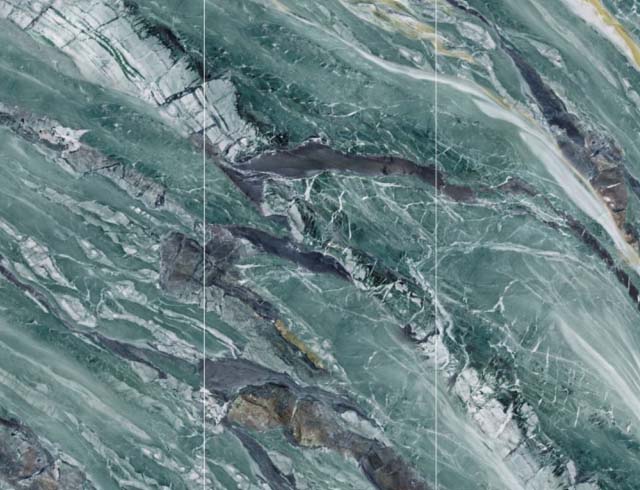
Installing non-porous, high-density wall panels demands more than standard construction glue. It requires precision and technical awareness. If you choose the wrong adhesive, you risk delayed curing, frustrating panel slippage, or even catastrophic wall failure. The stakes are incredibly high for commercial and residential projects alike. You need a reliable, permanent bond. Our goal is to provide a comprehensive technical evaluation of modern adhesive formulations. We examine solutions capable of handling the heavy weight and shifting thermal dynamics of these advanced building materials. This ensures a permanent, warranty-compliant bond every single time. In this guide, you will discover an objective breakdown of adhesive chemistries. We will explore substrate compatibility and outline crucial risk mitigation strategies. These insights draw directly from established commercial installation standards. Read on to master the exact techniques required for flawless panel mounting.
Key Takeaways
Optimal Formulation: Modified Silane (MS) polymers and Polyurethane (PU) structural adhesives offer the best balance of high initial grab and elastomeric flexibility.
Substrate Dependency: The "best" adhesive shifts depending on whether mounting over porous drywall, raw concrete, or non-porous existing tile.
Application Geometry Matters: A perimeter-and-dot or serpentine (S-pattern) application is required to allow airflow for moisture-curing adhesives.
Surface Preparation is Non-Negotiable: 90% of adhesive failures on large-format panels stem from substrate dust or moisture, not the adhesive chemistry itself.
The Engineering Challenge of Carbon Crystal Board
Modern architectural panels present unique engineering hurdles during installation. You cannot treat them like traditional drywall or lightweight foam. A carbon crystal board possesses extreme material density. This density translates directly into significant weight per square meter. Standard adhesives simply lack the required initial tack. Without an exceptionally high initial grab, these dense panels drift downward during the curing phase. Installers call this phenomenon "sagging." It ruins alignment and compromises the final aesthetic.
The backing material introduces another major challenge. These panels feature a completely non-porous rear surface. Standard water-based adhesives rely on evaporation to dry and harden. When you trap a water-based adhesive behind a non-porous barrier, the moisture has nowhere to escape. It cannot evaporate through the panel. It cannot easily evaporate through painted walls. As a result, the adhesive remains a wet paste indefinitely. It will never achieve a structural cure.
Furthermore, we must account for thermal expansion. Room temperatures fluctuate throughout the day and night. Sunlight hits the walls, warming the material. Heating and air conditioning systems create rapid temperature shifts. These environmental changes cause the panels to expand and contract slightly. Your chosen adhesive must absorb this micro-movement. It must retain high elasticity post-cure. If an adhesive dries too hard or becomes brittle, the thermal movement will snap the chemical bond. The adhesive must stretch and compress without losing its grip on the substrate.
Evaluating Adhesive Categories for Wall Panels
Choosing the right chemical formulation dictates the success of your installation. We evaluate the three primary categories used in commercial construction. We also highlight options you must explicitly avoid.
Modified Silane (MS) Polymer Adhesives
MS polymers represent the gold standard for heavy panel installation. They combine the best traits of silicone and polyurethane. You get incredible immediate grip. They feature zero VOCs, making them highly compliant for green building standards. MS polymers cure by drawing moisture from the ambient air. They do not rely on water evaporation. Once cured, they remain highly flexible. This elastomeric quality perfectly absorbs thermal expansion. The primary drawback is the cost. MS polymers carry a higher price per tube than traditional options. However, their reliability makes them the top choice for commercial and high-end residential installations.
Polyurethane (PU) Construction Adhesives
Polyurethane formulas deliver extreme sheer strength. Once fully cured, a PU bond is nearly indestructible. They offer excellent gap-filling properties. This makes them ideal for uneven walls. They expand slightly as they cure, seeking out microscopic pores in the substrate. However, this expansion requires careful monitoring. PU adhesives also have a longer initial set time. They lack the instant grab of MS polymers. You will need temporary mechanical bracing to prevent panel slippage while the PU adhesive cures.
Structural Silicone Adhesives
Structural silicones are completely waterproof. Installers frequently use them in heavy wet zones like commercial showers or kitchens. They resist mold and mildew exceptionally well. Despite these benefits, silicones present a major challenge. They possess very poor initial grab compared to MS polymers. If you use silicone, the panels will slip immediately. You must provide robust mechanical support throughout the entire 24-hour cure cycle.
Some adhesives simply do not work. You must eliminate solvent-based construction adhesives from your materials list. Harsh solvents can actually eat into certain composite backing materials. They degrade the panel structure over time. Water-based mastics are equally problematic. As previously discussed, they will fail to cure when trapped behind a non-porous barrier.
The following adhesive comparison chart summarizes these technical profiles for quick reference.
Adhesive Category
Initial Grab Strength
Curing Mechanism
Thermal Flexibility
Best Application Scenario
Modified Silane (MS)
Extremely High
Ambient Humidity
Excellent
Premium residential, large formats
Polyurethane (PU)
Moderate
Chemical Reaction
Good
Uneven surfaces, raw concrete
Structural Silicone
Low
Ambient Humidity
High
High moisture zones (bathrooms)
Matching Adhesive to Your Substrate Conditions
The "best" adhesive formula changes based on the wall surface. Substrate compatibility dictates chemical adhesion. You must evaluate the wall before purchasing supplies.
Drywall and gypsum surfaces are highly porous. Standard PU or MS adhesives work perfectly here. The porous paper facing allows the adhesive to bite deeply into the wall. However, surface preparation remains crucial. You must prime the wall if any joint compound is exposed. Unprimed joint compound turns into loose dust when the adhesive pulls against it.
Raw concrete or cement block walls present a different challenge. These surfaces are notoriously uneven. They require an adhesive with high gap-filling properties. Heavy-duty PU adhesives excel in this environment. They expand to bridge the gaps between the panel and the rough concrete. Concrete also sheds fine dust continuously. You must seal the concrete substrate with a masonry primer. If you skip this step, the adhesive bonds to the loose concrete dust instead of the solid wall.
Installing over existing tile creates the highest risk scenario. You are bonding a non-porous panel to a non-porous glazed tile. No air can penetrate the gap. No moisture can evaporate. This specialized installation requires a strict protocol to prevent catastrophic failure.
Clean the existing tile thoroughly with a degreasing solvent.
Apply a moisture-curing MS polymer adhesive. It utilizes ambient humidity rather than evaporation.
Implement an intersecting tape system. Apply vertical strips of heavy-duty double-sided acrylic tape.
Press the panel firmly against the tile. The tape provides immediate mechanical hold.
Leave the panel undisturbed while the MS polymer chemically cures over 48 hours.
Implementation Guidelines for 1220mm Marble Pattern PVC Wall Panel
Large-format panels demand precise application strategies. When mounting a heavy, expansive unit like a 1220mm Marble Pattern PVC Wall Panel, guesswork leads to failure. You must adhere to mathematical coverage ratios.
Weight versus coverage ratio is your primary metric. A large panel requires a minimum of 20% to 30% active surface coverage. You cannot simply apply a thin squiggly line of glue and hope it holds. The adhesive must distribute the immense weight evenly across the substrate.
The industry-standard hybrid approach resolves the initial grab problem. We call this the tape-and-glue method. You combine structural adhesive with VHB (Very High Bond) double-sided tape. The structural adhesive delivers permanent, long-term strength. The VHB tape delivers immediate, mechanical hold. The tape locks the panel in place the second it touches the wall. This prevents the heavy panel from sliding while the wet adhesive begins its curing cycle.
Application geometry dictates how the adhesive cures. You must apply the adhesive correctly.
Use the "perimeter plus internal beads" method.
Apply a border of adhesive two inches from the panel edge.
Run parallel, vertical beads down the center every six to eight inches.
Never connect the internal beads to the perimeter bead.
Never create closed circles or loops of adhesive.
Closing off adhesive loops traps air inside. Moisture-curing adhesives need ambient air to harden. Trapped air pockets prevent the adhesive from reaching full structural strength. Always leave gaps in your application pattern to allow air circulation.
Finally, respect the curing protocols. Temperature and humidity directly affect curing speed. Ideal conditions range between 65°F and 80°F. Low humidity environments dramatically slow down MS polymer curing. In extremely dry conditions, some installers lightly mist the wall with water before applying the panel. This provides the necessary moisture for the chemical reaction.
Implementation Risks and Why Adhesives Fail
Even the strongest adhesive fails if applied incorrectly. Understanding these failure points protects your project investment. The most common culprit is substrate contamination. We call this the dust barrier effect.
Failing to wipe down both surfaces guarantees a weak bond. A factory-fresh Carbon Crystal Board often carries microscopic manufacturing dust. Drywall carries fine gypsum dust. If you apply premium adhesive directly over this dust, it bonds to the particulate layer. It never touches the actual solid material. When weight is applied, the dust layer shears off. The panel falls, taking the dried adhesive with it. Always wipe the panel back and the wall with a damp microfiber cloth.
Inadequate expansion gaps create immense pressure. Installers often make the mistake of butting panels tightly against one another. They want a seamless look. However, panels expand during temperature spikes. If panels sit flush, they have nowhere to go. They push against each other. The pressure forces the panels outward, popping them off the wall. This violent movement pulls the adhesive and chunks of drywall paper down with them. Always leave a minor expansion gap. Use specialized trim profiles to hide these necessary gaps.
Premature load bearing ruins the chemical matrix. A newly installed panel looks finished immediately. It feels solid. However, the adhesive underneath remains soft for up to 48 hours. Clients often rush to mount heavy televisions, floating shelves, or hardware through the panel. The downward force of these heavy items stretches the uncured adhesive. It pulls the panel away from the wall. Always wait a full 48 hours before drilling into or hanging weight on a newly installed wall system.
Conclusion
Securing high-density wall materials requires technical precision and the right chemical formulation. Your final shortlisting logic should prioritize the substrate environment. Default to MS Polymer adhesives for rapid installation and immediate grab. They offer the necessary flexibility to handle thermal expansion effortlessly. Turn to Polyurethane (PU) adhesives for heavy-duty structural strength, particularly when dealing with uneven surfaces or raw concrete.
Take proactive steps before launching a large-scale project. Advise your contractors to order a sample tube of your chosen adhesive. Perform an adhesion pull test on a scrap piece of your specific wall substrate. Verify the bond strength firsthand. Proper testing prevents costly failures, ensures warranty compliance, and guarantees a flawless architectural finish.
FAQ
Q: Can I use liquid nails to install carbon crystal board?
A: No. Standard solvent-based adhesives pose significant risks. Harsh solvents can degrade the specialized composite backing of these panels over time. Furthermore, many traditional construction adhesives rely on evaporation to cure. Because these panels are entirely non-porous, the moisture remains trapped, preventing a proper structural bond.
Q: How many tubes of adhesive do I need per panel?
A: For a standard 1220mm x 2440mm (4x8ft) panel, you generally need two to three standard 10oz tubes. This volume achieves the mandatory 20% to 30% surface coverage required to safely distribute the material weight across the substrate.
Q: Do I need mechanical fasteners in addition to glue?
A: It depends on the adhesive type. If using MS polymers alongside VHB double-sided tape, mechanical fasteners are rarely needed for flat walls. However, if using slow-curing PU or silicone without tape, you must use temporary bracing or hidden metal clips to prevent sagging during the cure phase.
Q: How long does it take for the adhesive to fully cure?
A: Initial grab happens instantly with tape or MS polymers, holding the panel in place. However, the total chemical cure takes significantly longer. You should allow 24 to 48 hours for the adhesive to reach structural capacity before mounting heavy items like televisions or shelving.
The company was established in 2018 and specializes in new environmentally friendly indoor decorative materials such as SPC flooring, WPC flooring, carbon crystal flooring, wood veneer panels, and carbon crystal wall panels.