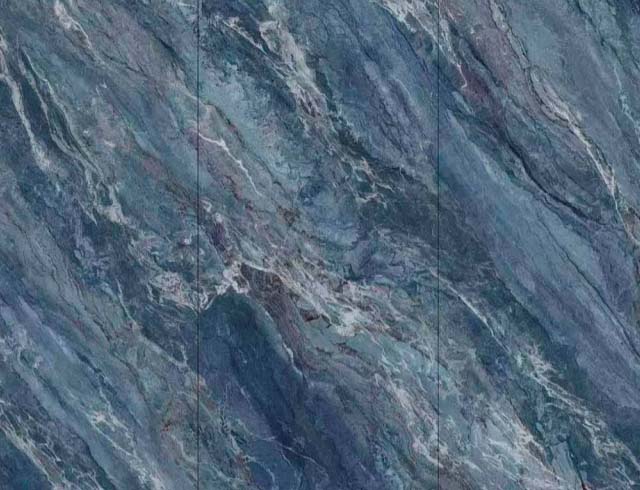
Selecting the correct thickness for a carbon crystal panel goes beyond simple aesthetics. Your choice directly dictates project budgets. It alters installation timelines and affects structural longevity. Today, both 5mm and 8mm profiles offer excellent waterproofing. They provide robust fire resistance and highly eco-friendly properties. However, their behavioral mechanics under load differ significantly. Environmental stress reveals further differences between the two sizes. Contractors and procurement managers must match panel thickness to project requirements. Mismatched materials can easily lead to catastrophic adhesive failures. Alternatively, specifying too thin a board invites unsightly impact damage. We provide a skeptical, evidence-based breakdown here. You will learn how structural rigidity and weight loads vary. We will explore visual appeal variations across different thicknesses. This guide gives you the confidence to specify the perfect material. You can build beautiful, resilient spaces securely.
Key Takeaways
5mm Panels: Best for ceiling applications, curved surfaces, and residential retrofits where minimizing added weight and material costs is the priority.
8mm Panels: Essential for high-traffic commercial zones, load-bearing integrations, and premium aesthetic finishes (like heavy marble textures) requiring maximum rigidity.
Cost vs. Value: While 8mm panels cost more upfront, their impact resistance reduces long-term maintenance costs in commercial applications.
Installation Reality: 8mm requires stronger adhesives and perfectly leveled substrates, whereas 5mm offers slight flex to accommodate minor wall imperfections.
Defining the Baseline: How Thickness Alters Panel Performance
We must first explore the core business problem. Mismatched panel thickness routinely ruins commercial and residential builds. You risk adhesive failure if you choose an excessively heavy board. The panels eventually detach from weak substrates and fall. Conversely, a thin panel in a busy corridor invites trouble. Impact damage occurs quickly in these high-traffic zones. Carts and luggage will dent the surface easily. You must balance these physical risks carefully.
Let us compare the physical heft of these materials. The average 5mm panel weighs significantly less per square meter. It typically hovers around five to six kilograms. The 8mm alternative jumps considerably in overall weight. It often exceeds nine kilograms per square meter. This weight delta changes everything about your project. It alters structural load calculations instantly. You must ensure wall studs can handle this extra mass.
Thickness naturally affects general insulation properties. You will see measurable differences in sound dampening. The thicker 8mm core absorbs lower frequency sounds better. It reduces room-to-room noise transmission effectively. Thermal insulation R-values also increase slightly across thicker boards. However, these specific gains remain marginal. You should not rely on them as primary insulation. They simply act as a supplementary climate barrier.
Structural stiffness dictates everyday installation behavior. The 8mm option offers incredible baseline rigidity. It refuses to bend over uneven wall surfaces. This stiffness demands perfectly flat, plumb walls. The 5mm version provides crucial physical adaptability. It bends slightly during the installation process. You can manipulate it over minor wall imperfections easily. This flexibility saves hours of costly wall prep time.
The 5mm Carbon Crystal Panel: Strengths and Ideal Scenarios
Primary Advantages
The thinner profile shines in logistical efficiency. We see distinct benefits when handling this lighter material. You can accelerate project timelines significantly. The core advantages include:
Lower shipping costs: Reduced weight translates directly to cheaper freight bills. You can fit more panels onto a single pallet.
Easier site manipulation: A single installer can lift and place these boards. They are easier to cut and route on-site.
Reduced shear stress: The lighter mass pulls less against mounting adhesives. It protects fragile drywall substrates from tearing.
These benefits make the 5mm Carbon Crystal Panel highly appealing. You save money on labor and basic logistics. Small residential teams prefer this manageable thickness.
Operational Limitations
The 5mm option does carry physical limitations. It shows lower resistance to blunt force impact. A stray doorknob can puncture the thinner surface. You should never use it in busy commercial corridors. It will sustain visible damage over time.
Furthermore, thin panels can telegraph underlying wall flaws. Severe wall imperfections might show through the surface. The panel bends slightly into deep wall dips. This creates a warped visual appearance under bright lights. You still need decent substrate preparation.
Common Mistake: Do not install 5mm panels over heavily textured plaster. The board will contour to the rough bumps. You must sand high spots down before applying adhesive.
Shortlisting Criteria
You should specify 5mm panels for specific, controlled environments. They excel in residential living rooms and home offices. They represent the best choice for ceiling installations. Gravity works against ceiling panels, making lighter weights mandatory. You can also use them for elevated retail displays. Choose them for any low-traffic interior cladding project. They deliver high aesthetic value where impact risks remain low.
The 8mm Carbon Crystal Panel: Built for Durability and Premium Finishes
Primary Advantages
The 8mm variant dominates in commercial environments. It offers superior impact resistance across the board. You significantly reduce the risk of puncturing or denting. It withstands heavy foot traffic and physical bumps easily. Carts, luggage, and equipment bounce off the dense core.
It also delivers flawless structural rigidity. It creates perfectly planar surfaces mimicking real stone. It bridges minor wall gaps without bowing inward. This makes it ideal for deep-texture applications. For instance, an 8mm Marble Pattern Carbon Crystal Board looks incredibly authentic. The extra thickness enhances the 3D realism beautifully. It gives the finish profound visual depth.
Best Practice: Use 8mm panels for seamless continuous wall designs. The stiff edges align perfectly during butt-joint installations. You get a virtually invisible seam.
Operational Limitations
You must prepare for a heavier physical footprint. This thickness strictly requires two-person installation teams. A single worker cannot safely maneuver large 8mm sheets. The sheer weight causes handling fatigue quickly. You must allocate more labor budget for the installation phase.
Increased shipping weight also affects overall procurement logistics. Freight carriers charge more for heavier pallets. You face higher delivery costs per square meter. Moving these heavy panels up commercial elevators takes longer. You must plan material staging carefully before installation begins.
Shortlisting Criteria
The 8mm panel fits demanding commercial scenarios perfectly. Choose it for busy hotel lobbies and reception desks. It belongs in heavy commercial hallways and retail interiors. Specify it for environments requiring strict structural compliance. It projects high perceived value to visitors and clients. You get the look of solid stone without masonry costs.
Head-to-Head Evaluation Matrix: 5mm vs. 8mm
The evaluation matrix below outlines key performance indicators. Use it to compare both thickness profiles quickly. This chart helps procurement teams visualize the core differences.
Performance Metric
5mm Profile
8mm Profile
Impact Resistance
Low to Moderate
Extremely High
Substrate Flexibility
High (Molds to minor flaws)
Low (Requires plumb walls)
Average Weight / sqm
5 - 6 kg
9 - 10 kg
Labor Requirement
1 Installer
2 Installers
Best Application
Ceilings, Residential, Retrofits
Lobbies, Commercial, High-Traffic
Feature-to-Outcome: Durability & Lifespan
You must match expected foot traffic to panel thickness. High-traffic commercial zones demand the 8mm profile. It prevents costly replacement cycles caused by impact damage. Low-traffic residential areas favor the 5mm profile. You save money upfront without sacrificing residential lifespan. The thicker boards simply outlast thin boards in public spaces.
Scalability & Budget Constraints
Compare the cost-per-square-meter delta at massive scale. The 5mm board wins on initial purchase price. However, you must factor in hidden replacement costs. Thin panels in busy areas break and require swapping. The heavier 8mm panels cost more upfront. They also incur higher freight and labor charges. Yet, their incredible durability stops frequent replacement cycles entirely. You secure long-term value through sheer physical resilience.
Security & Compliance
Both thicknesses share similar baseline fire ratings. The core crystal material behaves uniformly under high heat. However, building codes treat heavier materials differently. Heavy 8mm panels often require mechanical fasteners overhead. You cannot rely on adhesive alone for thick ceiling boards. Local commercial building codes dictate strict anchoring rules. The lighter 5mm boards often pass code using structural adhesive alone. Always check local municipal codes before ordering.
Implementation Realities and Adoption Risks
Substrate Preparation Assumptions
The 8mm panels demand a completely plumb, level wall. They will not bend to hide severe structural bowing. If your wall curves, the 8mm board stays rigid. This creates hollow voids behind the panel. Adhesive cannot bridge large air gaps effectively. You must float uneven walls before installing 8mm panels. The 5mm alternative forgives minor wall curving beautifully. It flexes into slight depressions without cracking.
Adhesive and Curing Requirements
You need high-tack structural adhesives for the 8mm variant. Heavy panels tend to sag during the cure time. You must brace them mechanically until the glue dries. Standard construction adhesive will fail under 8mm weight loads. The 5mm panel grips the wall much faster. It requires standard panel adhesive and minimal bracing. You speed up the curing workflow considerably.
Handling and On-Site Logistics
Site logistics dictate your material handling protocols. You risk edge-chipping when transporting 8mm panels carelessly. Their heavy mass creates powerful momentum during drops. You must use foam edge protection during site transit. Conversely, 5mm panels pose bending and snapping risks. Mishandling a long 5mm sheet causes it to bow. If it bows too far, the rigid core snaps. Installers must carry 5mm sheets vertically to prevent snapping.
Next Steps: Finalizing Your Carbon Crystal Panel Specification
You possess the evidence needed to make a choice. Follow this standard framework to finalize your specification sheet. It guarantees proper material alignment for your exact project.
Audit the Application Environment: Determine if the space is commercial or residential. Identify potential impact zones like heavy equipment corridors. Decorative accent walls need less protection than active lobbies. Document the expected foot traffic daily.
Assess Substrate Health: Inspect the current walls thoroughly. Check for bowing, moisture, and structural integrity. Decide if the framing can support a heavier 8mm load. If walls are weak, a lightweight 5mm panel is required. Calculate the cost of wall leveling if choosing 8mm.
Request Physical Samples: Advise procurement teams to test the flex physically. Order sample boxes of both thickness profiles. Test the finish and rigidity on-site. Compare how local lighting reacts to the surface depth. Finalize the bulk order only after physical inspection.
Following these specific steps eliminates procurement guesswork. You protect your budget from costly material mismatches.
Conclusion
We see clearly that no universal "best" thickness exists. You only find the most appropriate specification for your goal. Structural limits and aesthetic demands drive this critical decision. Default to the 5mm profile for cost-sensitive residential projects. It excels in weight-restricted applications like ceiling features. It saves labor, freight, and time.
You must escalate to the 8mm thickness for commercial durability. It dominates high-traffic zones needing premium marble facsimiles. It guarantees perfectly planar walls and withstands severe physical impacts. Weigh your immediate budget against expected foot traffic.
Do not finalize your blueprints without holding the material. Contact the engineering team today to request a sample box. Ask for both 5mm and 8mm profiles for site testing. You can also request a detailed, project-specific quote immediately. Secure the right panels for your upcoming build.
FAQ
Q: Can I mix 5mm and 8mm carbon crystal panels in the same project?
A: Yes, you can mix them effectively. However, avoid placing them on the same continuous wall plane. This prevents highly visible depth transitions at the seams. Use 8mm panels for lower wainscoting where impacts occur. Apply 5mm panels for upper walls or ceilings to save weight.
Q: Does the 8mm Marble Pattern Carbon Crystal Board require specialized cutting tools?
A: Both thicknesses require standard woodworking tools. You should use fine-tooth saw blades for clean cuts. However, the 8mm board dictates much slower feed rates. You must cut slowly to prevent friction burns. Rushing the cut can chip the decorative surface film.
Q: How much more does shipping cost for 8mm panels compared to 5mm?
A: The heavier boards typically weigh 40 to 60 percent more. This weight difference directly impacts freight classes. You should expect Less Than Truckload (LTL) costs to increase proportionally. Always factor these elevated shipping rates into your upfront budget calculations.
The company was established in 2018 and specializes in new environmentally friendly indoor decorative materials such as SPC flooring, WPC flooring, carbon crystal flooring, wood veneer panels, and carbon crystal wall panels.