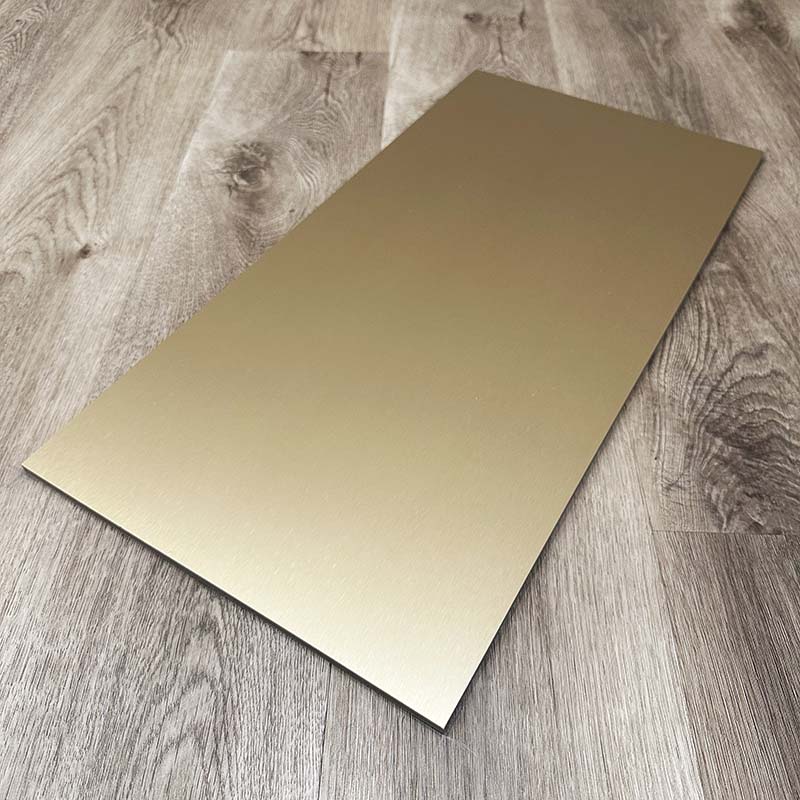
Commercial architecture increasingly demands materials bridging high-end aesthetics with industrial-grade durability. You need finishes capable of withstanding heavy daily use. They must also maintain a pristine visual appeal over decades. Selecting a finish for a metal wall panel goes beyond merely picking a vibrant color. It dictates maintenance schedules, energy efficiency, and long-term structural compliance. Ignoring these critical factors often leads to premature wear, fading surfaces, and unavoidable budget overruns.
For architects and facility managers in the evaluation stage, identifying the right finish involves balancing visual intent with lifecycle realities. In this comprehensive guide, we explore the essential criteria for evaluating commercial finishes. You will learn how to categorize modern solutions and navigate complex implementation risks. We will also outline actionable procurement steps. These strategies ensure your next commercial project achieves lasting, low-maintenance success.
Key Takeaways
Aesthetics meet performance: Modern finishes offer diverse textures without compromising structural integrity.
Material innovation: Advanced composites like a metal texture carbon crystal wall panel offer lightweight, high-durability alternatives to traditional heavy cladding.
Compliance first: Fire ratings, moisture barriers, and thermal expansion properties are non-negotiable evaluation criteria for commercial builds.
Defining Success Criteria for Commercial Finishes
The Business Problem
High-traffic and exposed commercial spaces accelerate the degradation of standard architectural finishes. Sun exposure, harsh weather, and urban pollution constantly attack building exteriors and interiors. Substandard coatings quickly surrender to these elements. This vulnerability leads to premature fading, chalking, or severe physical damage. When a finish degrades, it compromises the entire architectural vision. It also forces property owners into expensive remediation cycles. You must select finishes engineered specifically for rigorous commercial environments to prevent these costly failures.
Balancing Design and Lifecycle
Framing your material decision requires a strict return-on-investment calculation. You should evaluate how specific finishes impact heating and cooling loads over a 20-to-30-year lifecycle. High-performance reflective coatings actively reduce energy consumption. Durable surfaces minimize annual cleaning and repair budgets. By weighing the initial procurement price against these long-term operational savings, facility managers unlock true structural value. A premium finish often pays for itself by dramatically lowering decades of maintenance expenses.
Regulatory & Compliance Baselines
You cannot specify a commercial material without establishing strict compliance baselines. Regulatory adherence dictates product viability. Commercial builds demand Class A fire ratings to ensure minimal flame spread and smoke development. Wind load tolerances remain critical for exterior cladding in coastal or high-altitude regions. Furthermore, local building codes dictate specific moisture barrier requirements and structural fastening rules. We recommend consulting regional compliance frameworks before finalizing any material specification.
Categorizing Modern Metal Wall Panel Solutions
Traditional Coated Metal Wall Panels
Traditional coated panels dominate the commercial cladding market. PVDF (commonly known as Kynar 500) and SMP (Silicone-Modified Polyester) represent the two primary resin technologies. PVDF finishes offer superior color retention and unmatched chalking resistance. They excel in high-UV environments and coastal applications. Conversely, SMP finishes provide a more budget-friendly alternative. They work well in shaded or lower-stress environments but often degrade faster under intense sunlight.
Beyond painted coatings, anodized and natural metal finishes deliver a raw aesthetic appeal. The anodizing process integrates the finish directly into the aluminum substrate. It creates an exceptionally hard, scratch-resistant surface. Natural metals like copper or zinc develop a unique patina over time. You must weigh this dynamic weathering progression against the desire for a static, unchanging facade.
Advanced Composite Alternatives
Modern manufacturing continues to push architectural boundaries through advanced composite materials. Evaluating this emerging category is essential for interior or specialized commercial applications. For instance, a metal texture carbon crystal wall panel offers an ultra-modern aesthetic combined with high scratch resistance. It features excellent water repellency. This makes it ideal for high-traffic lobbies, feature walls, and moisture-prone interior zones. It delivers the sleek look of solid metal without the excessive weight.
Similarly, hybrid solutions offer distinct advantages over traditional monolithic metal. A metallic WPC fluted panel combines wood-plastic composites with striking metallic finishes. We analyze these panels for spaces requiring acoustic dampening and textured geometric depth. They provide simplified installation compared to heavy solid metal sheets. The interlocking mechanisms reduce labor costs and streamline project timelines.
Finish Comparison Chart
Finish Type
Primary Benefit
Ideal Application
Relative Upfront Cost
PVDF (Kynar 500)
Extreme UV resistance, no chalking
Exterior commercial facades
High
SMP (Silicone-Modified)
Budget-friendly, hard surface
Low-UV environments, warehouses
Low
Anodized Metal
Will not peel or flake
High-end architectural exteriors
High
Carbon Crystal Composite
Lightweight, scratch resistant
Interior lobbies, feature walls
Medium
Core Evaluation Dimensions: Features to Outcomes
Weathering & UV Resistance
High-UV index environments relentlessly attack building exteriors. Ultraviolet radiation breaks down chemical bonds in standard paints. This causes noticeable fading and surface chalking. Protective clear coats and advanced fluoropolymer resins prevent this degradation. They reflect harmful rays and maintain molecular stability. When evaluating finishes, you must confirm the resin composition. Ensure it features adequate UV inhibitors to protect your investment against decades of harsh sun exposure.
Energy Efficiency & Thermal Performance
Modern finishes play a crucial role in building energy management. Utilizing reflective finishes directly reduces solar heat gain. These "cool roof" and "cool wall" compliant coatings bounce infrared radiation away from the structure. Consequently, they lower internal temperatures and significantly reduce HVAC operational costs. You should verify the Solar Reflectance Index (SRI) of your chosen finish. Higher SRI values equate to better thermal performance and improved energy efficiency.
Maintenance & Cleaning Burden
Facility managers must consider the ongoing maintenance protocols required for different materials. High-end fluoropolymer finishes often feature self-cleaning properties. Rainwater easily washes away dirt and debris from their slick surfaces. In contrast, porous or heavily textured panels trap particulate matter. They require specialized pressure washing or chemical treatments. Comparing these cleaning burdens helps you accurately forecast long-term labor costs and operational disruptions.
Aesthetic Consistency
Large-scale commercial facades demand strict aesthetic uniformity. You must evaluate batch-to-batch color matching capabilities before placing bulk orders. Metallic finishes and anodized panels often exhibit slight directional variations or color shifts. Painted finishes generally offer tighter consistency across massive production runs. We recommend discussing acceptable tolerance levels with your manufacturer. This ensures the final installation aligns perfectly with your initial architectural renderings.
Implementation Realities and Installation Risks
Mitigating "Oil Canning"
Oil canning refers to the visible waviness occasionally seen in flat metal panels. It remains a major aesthetic risk for commercial facades. Elastic buckling causes this distortion under thermal or structural stress. You can address it through proper gauge selection. Specifying thicker metal minimizes flexibility. Using backer rods provides additional rigidity behind the panel face. Furthermore, strategic use of fluted or textured finishes effectively masks surface imperfections. Breaking up flat planes visually diffuses any minor waviness.
Managing Thermal Movement
Metals expand when heated and contract when cooled. Factoring in thermal expansion is critical for a successful installation. If you fasten panels too rigidly, they will buckle or shear their fasteners. You must select finishing systems and fastener protocols accommodating this movement. Slotted clips and floating extrusions allow panels to glide independently. This prevents structural damage without compromising the underlying weather barrier.
Substrate Preparation & Compatibility
Your chosen panel type must align with the existing structural framework. Ensuring compatibility prevents catastrophic failures. The building envelope, insulation layer, and framing system must support the specific weight of the cladding. They must also accommodate the necessary fastening requirements. Heavy gauge metals require robust sub-framing. Lightweight composite alternatives allow for simpler, less invasive mounting tracks. Thoroughly assess your substrate before finalizing material orders.
Lead Times and Supply Chain Factors
Custom architectural finishes often require extended fabrication and curing times. You must plan for these supply chain realities to keep projects on schedule. Standard colors typically ship quickly from existing inventory. Conversely, custom color matching, anodizing, or specialized metallic coatings add weeks to production calendars. Communicate early with suppliers. Build adequate buffer time into your construction timeline to avoid expensive delays.
Shortlisting Logic & Next Steps for Procurement
Conducting a Lifecycle Analysis
Savvy procurement teams look beyond initial purchase orders. You need a framework for comparing a lower-cost SMP finish against a premium PVDF or metallic composite over a standard commercial lease lifespan. Calculate the expected replacement cycles. Factor in the labor costs for annual cleaning. Assess potential energy savings generated by reflective coatings. By mapping out these long-term financial impacts, you ensure your material choice delivers genuine, lasting value to the property owner.
Evaluating Warranty Fine Print
Manufacturer warranties vary wildly in the commercial sector. You must carefully scrutinize the fine print. Look specifically for film integrity clauses versus color fade limits. A warranty might cover peeling but allow significant color shifting over ten years. Additionally, watch out for coastal environment exclusions. Many standard warranties void if you install the panels within a certain distance of saltwater. Clarify these stipulations before signing any contracts.
Prototyping & Mock-ups
Digital renderings cannot replicate real-world material behavior. Requesting physical samples is an absolute necessity. You must evaluate them under site-specific lighting conditions. Morning sunlight highlights different material properties than harsh midday glare. Assemble a physical mock-up on the job site. This allows stakeholders to inspect the finish texture, gauge structural rigidity, and confirm color accuracy prior to bulk specification.
Actionable Next Step
Transitioning from evaluation to procurement requires organized documentation. Prepare a detailed Request for Quote (RFQ) to send to your shortlisted suppliers. Follow this checklist to ensure accuracy:
Compile the final architectural drawings highlighting total square footage.
Specify the required R-values and thermal performance targets.
List all mandatory compliance certifications, including Class A fire ratings.
Include specific requests for customized corner extrusions or trim pieces.
Define your maximum acceptable lead time for delivery.
Conclusion
The right material finish secures a commercial asset's value. It marries bold architectural vision with pragmatic, low-maintenance performance. By carefully categorizing options and assessing long-term durability, you protect the building against aggressive environmental stressors. Avoid choosing finishes based solely on initial aesthetic appeal.
Base your final selections on verifiable performance data and physical mock-ups. Understand the unique weathering challenges of your specific project site. Address structural risks like thermal movement and substrate compatibility early in the design phase.
Do not leave your facade to chance. Request a comprehensive material sample kit from your manufacturer today. Schedule a technical consultation to review your project-specific structural requirements. Taking these proactive steps ensures a flawless, enduring installation.
FAQ
Q: What is the price difference between traditional PVDF coated panels and a metal texture carbon crystal wall panel?
A: Traditional PVDF coated panels typically carry higher upfront costs due to their specialized resins and multi-step curing processes. Carbon crystal wall panels often feature a lower initial material cost. Additionally, composite panels usually require less specialized labor and lighter sub-framing. This dramatically reduces the final installed cost compared to heavy, solid metal cladding systems.
Q: Are metallic WPC fluted panels suitable for exterior commercial facades?
A: Most metallic WPC fluted panels are designed primarily for interior use or sheltered exterior applications. While they resist moisture well, standard material grades may lack the extreme UV stability required for constant, direct sun exposure. Always consult the manufacturer regarding specific exterior-grade variants if you plan to install them on an exposed facade.
Q: How do you prevent oil canning on smooth metal wall panel finishes?
A: You prevent oil canning by specifying a thicker metal gauge and using tension-leveled coils. Incorporating a backer rod or stiffening rib behind the panel adds rigidity. Additionally, choosing a matte finish or a lightly textured surface helps visually obscure any minor waviness that naturally occurs during thermal expansion.
Q: What is a Class A fire rating, and do all commercial metal panel finishes meet it?
A: A Class A fire rating indicates the material exhibits minimal flame spread and smoke development during a fire, per ASTM E84 standards. While a metal core is non-combustible, the applied paints, resins, or composite cores can be flammable. Not all finishes automatically meet Class A requirements, so you must verify independent testing certifications.
The company was established in 2018 and specializes in new environmentally friendly indoor decorative materials such as SPC flooring, WPC flooring, carbon crystal flooring, wood veneer panels, and carbon crystal wall panels.