Moody, modern bathroom designs rely heavily on dark textures to create a spa-like atmosphere. The aesthetic pull of these deep, sophisticated tones is undeniable. Homeowners increasingly want black or dark gray finishes to elevate their spaces. However, buyers face a significant practical risk when selecting wall materials. Moisture, humidity, and direct water exposure can quickly destroy standard surfaces. You might wonder if a charcoal wall panel can survive this harsh environment.
The short answer lies in the composition. "Charcoal" describes the color and finish, rather than the core material itself. Whether these panels are truly waterproof depends entirely on their core makeup and your installation method. In this guide, you will learn how to distinguish between vulnerable materials and true waterproof solutions. We will explore core compositions, installation zones, and critical waterproofing techniques to protect your bathroom renovation.
Key Takeaways
Not all charcoal panels are waterproof; suitability depends on the core material (e.g., PVC and bamboo charcoal vs. MDF).
A "waterproof" panel is only effective if the installation system (seams, edges, and adhesives) is also completely watertight.
There is a strict distinction between "wet zone" (showers) and "dry/damp zone" (vanities) compatibility.
Properly sealed UV PVC and Bamboo Charcoal panels offer a zero-maintenance, mold-resistant alternative to traditional bathroom tiles.
1. The Core Material: Unpacking "Charcoal" Panel Compositions
Buyers often confuse surface finish with core durability. Just because a panel looks like stone or dark wood does not mean it behaves like it. Manufacturers produce dark gray and black finishes across wildly different substrates. To avoid expensive water damage, we must categorize the actual materials on the market.
MDF-Core Slatwalls (The Risk)
Many popular 3D slat panels utilize a Medium-Density Fiberboard (MDF) core. Brands often market these products as "wipeable" or suitable for damp areas. You should exercise extreme caution here. Wood-veneer or MDF-core panels will swell and warp in high-humidity bathroom environments. MDF acts like a sponge. Once ambient moisture breaches the outer veneer, the core absorbs water, expands, and inevitably blows out the joints. You should never use MDF panels inside a bathroom, regardless of how dark or industrial the finish appears.
UV PVC Panels (The Standard)
Solid PVC panels represent the industry standard for wet areas. Manufacturers print a charcoal marble or matte film over a solid plastic substrate, then coat it in a protective UV layer. This creates a 100% non-porous, waterproof core. Even if water sits on the surface for days, the panel will not absorb a single drop. PVC options are lightweight, highly durable, and completely impervious to rot. They provide a safe, reliable foundation for modern bathroom walls.
Mirror Surface Bamboo Charcoal Wall Panel (The Premium Upgrade)
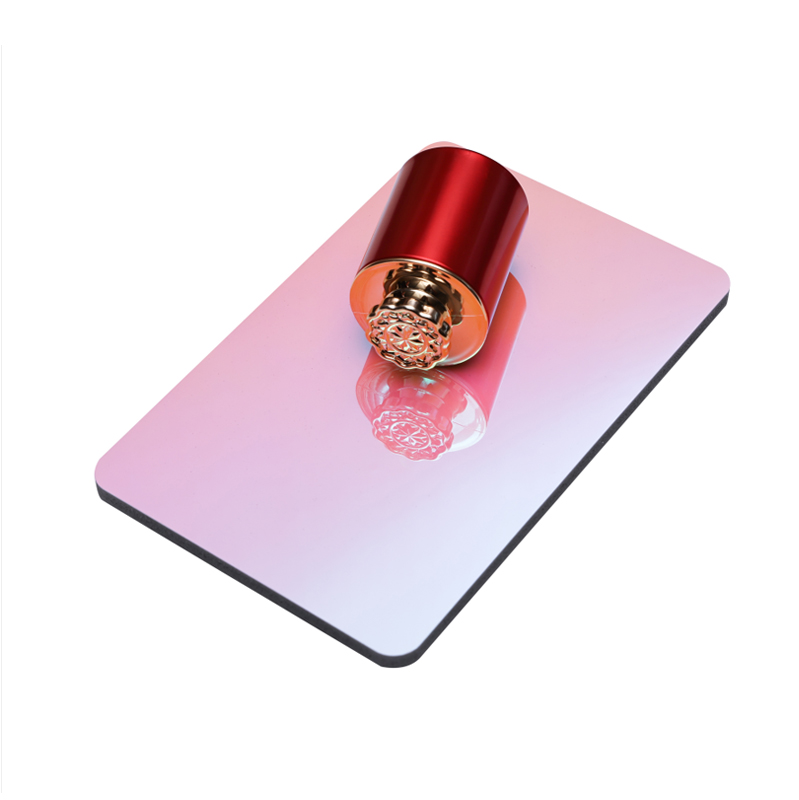
For high-end renovations, you can explore specialized composites. A Charcoal Wall Panel,Mirror Surface Bamboo Charcoal Wall Panel acts as the ultimate premium upgrade. The bamboo charcoal extrusion process creates a remarkably dense, moisture-repellent core. It resists warping far better than standard plastics under temperature fluctuations. Furthermore, the mirror surface provides an impermeable protective layer. This highly reflective barrier easily sheds water and stands up beautifully to high-humidity areas, offering both structural integrity and a striking visual impact.
2. Waterproof vs. Water-Resistant: Establishing Evaluation Criteria
Navigating industry terminology is crucial to prevent buyer remorse. Marketing materials frequently blur the lines between differing levels of moisture protection. You must understand these evaluation dimensions before purchasing materials for your project.
Water-Resistant Limitations
Water-resistant products can handle ambient humidity and occasional splashes. They usually feature a sealed surface but a vulnerable core. You can safely install these materials in half-baths or behind vanity sinks. If you splash water on them while washing your hands, you can simply wipe them dry. However, prolonged exposure will degrade the material over time.
100% Waterproof Standards
True waterproof materials can withstand direct, continuous water flow without any structural degradation. PVC and bamboo charcoal composites fall into this category. You could submerge these panels underwater for a month, and they would retain their exact shape and density. They do not rely on a topcoat for protection; the entire body of the product repels moisture.
The System Caveat
We must emphasize a skeptical truth. A panel can possess a completely waterproof core, but the overall wall might still fail. A "waterproof" rating only matters if your interlocking joints and edges are sealed. If water penetrates the seams, it will reach the substrate. This moisture causes drywall rot and structural failure behind the panel. You must evaluate the entire installation system, not just the panel board.
Feature
Water-Resistant Panels
100% Waterproof Panels
Core Material
Sealed MDF, HDF, Treated Wood
Solid PVC, Bamboo Charcoal Composites
Moisture Tolerance
Handles humidity; fails under direct flow
Ignores direct flow; impervious to soaking
Ideal Bathroom Use
Powder rooms, vanity backsplashes
Inside shower enclosures, wet rooms
Structural Risk
High (swelling, warping over time)
Low (requires only proper seam sealing)
3. Wet Zones vs. Damp Zones: Where Can You Actually Install Them?
Mapping your product to specific bathroom environments ensures long-term success. The building industry divides bathrooms into distinct moisture zones. You must align your material choice with these implementation realities.
Zone 0 & 1 (Inside the Shower / Bathtub Enclosure)
These zones experience heavy, direct water exposure daily. You must use seamless interlocking panels or wide-format seamless sheets here. UV PVC or specific bamboo charcoal panels perform exceptionally well. Standard tongue-and-groove joints are not enough on their own. You must use specific waterproof edge trims and apply marine-grade silicone inside every joint before clicking them together. This creates a solid, impenetrable barrier against shower runoff.
Zone 2 (Vanity Backsplashes / Toilet Walls)
These areas carry a much lower risk. They experience ambient steam and occasional splashes. This is where highly textured, 3D charcoal slat panels become viable. Provided they consist of moisture-resistant composites, you can safely utilize them here without full watertight joint sealing. The dimensional texture adds incredible visual interest behind a modern floating vanity.
Ceilings
Rising steam poses a hidden threat in many bathrooms. Homeowners often forget to protect the ceiling. Using lightweight charcoal panels on the ceiling prevents steam damage and peeling paint. Ensure you use panels with a low weight per square foot to make overhead installation manageable and safe.
4. Installation Risks and Waterproofing Best Practices
Executing a watertight seal requires careful planning and the right materials. This transparent look at implementation considerations will help you succeed and avoid costly tear-outs.
Adhesive Selection
Standard construction adhesives fail spectacularly in bathrooms. Rigid adhesives crack when walls expand and contract due to temperature changes. You must choose high-grab, moisture-curing polyurethane or sanitary silicone adhesives. These flexible compounds maintain their bond in humid environments. They also inhibit mold growth behind the panels.
Sealing the Weak Points
Water always finds the weakest point. The flat surface of the panel is rarely the issue; the edges are where failures occur. You must utilize specialized trims.
H-trims: Connect two panels seamlessly on a flat wall.
Internal Corner Profiles: Direct water away from tight 90-degree corners.
End Caps: Seal the exposed edges where the paneling stops and painted drywall begins.
Substrate Preparation
Many homeowners ask if they can install panels over existing tiles. Yes, you can, provided the old tiles are secure and properly degreased. This approach saves massive demolition costs. However, you face the risk of trapping existing mold. Thoroughly clean the old grout lines with a bleach solution. Let the wall dry completely. If you trap moisture or active mold spores behind your new wall, they will quietly destroy your home's framing.
Best Practices for Installation
Dry-fit all panels before applying adhesive to ensure tight seams.
Apply a continuous bead of silicone inside the female groove before inserting the next panel.
Leave a 3mm expansion gap at the floor and ceiling, filling it with flexible sealant.
Common Mistakes to Avoid
Using acrylic caulk instead of 100% sanitary silicone.
Installing over flaking paint or loose tiles.
Forgetting to seal the bottom edge where the panel meets the shower tray.
5. Decision Framework: Choosing the Right Panel for Your Project
Navigating the various options can feel overwhelming. This concise shortlisting logic helps you finalize your purchase confidently.
For Direct Shower Enclosures
Prioritize flat, large-format UV PVC panels. Large sheets minimize the number of grout lines and seams. Fewer seams mean fewer potential points of water entry. Flat surfaces also make squeegeeing and routine cleaning significantly easier. A dark marble PVC finish provides the dramatic look of real stone without the heavy weight or maintenance.
For High-End Luxury Finishes (Vanities/Feature Walls)
When aesthetics are your primary goal, opt for bamboo charcoal. Its structural rigidity feels more like authentic wood or stone. The reflective aesthetics of a high-gloss finish bounce light around the room, making small bathrooms feel much larger. This material offers superior ambient moisture resistance, making it the perfect focal point behind a freestanding tub.
For DIY Rollouts
If you plan to install the walls yourself, evaluate the locking mechanism carefully. Tongue-and-groove systems are generally easier for beginners to align perfectly. Flush edge systems require H-trims, which demand more precise cutting. Additionally, check the weight per panel. Heavy composite panels often require a two-person team, whereas lightweight PVC is easily manageable for a solo DIYer.
Project Goal
Recommended Material
Key Benefit
Shower Enclosure
Large-format UV PVC
Minimal seams, 100% waterproof
Luxury Feature Wall
Bamboo Charcoal Composite
High rigidity, premium reflective finish
Solo DIY Install
Lightweight interlocking PVC
Easy handling, simple tongue-and-groove
Conclusion
A charcoal wall panel is indeed waterproof for bathrooms, provided you make informed choices. You must select a solid PVC or Bamboo Charcoal core to survive the harsh realities of high humidity. Remember that the material alone does not guarantee safety. You must execute a watertight seal using marine-grade silicone and proper edge trims to protect your underlying walls.
Before committing to full wall coverage, order sample packs. Test the finish against your specific bathroom lighting, as dark colors shift dramatically under warm or cool bulbs. Assess the material's density and scratch resistance in person. Taking these practical steps ensures your moody, modern bathroom remains a durable sanctuary for years to come.
FAQ
Q: Can I install a charcoal wall panel directly over my old bathroom tiles?
A: Yes, you can install them over existing tiles. This approach saves demolition time and money. You must ensure the old tiles are secure, flat, and thoroughly degreased. If tiles are loose, remove them first. Use a high-grab, moisture-curing adhesive. Always clean the grout lines to prevent trapping existing mold before you mount the new panels.
Q: How do you clean a mirror surface bamboo charcoal wall panel without scratching it?
A: Maintenance requires a gentle approach. Hard water stains can build up in damp environments. Always use a soft microfiber cloth and a mild, non-abrasive soap solution. Avoid scouring pads, bleach, or harsh chemical cleaners. These abrasive materials will permanently scratch the reflective finish. Regular wiping after showers prevents mineral deposits from setting.
Q: Will black or charcoal panels make my bathroom look too small?
A: Dark panels do not automatically shrink a space. The key is strategic lighting and contrast. Reflective finishes bounce light around the room, creating an illusion of depth. Pair your dark walls with bright vanity fixtures, light flooring, or a large illuminated mirror. This contrast makes the room feel cozy and modern rather than cramped.
Q: Do these panels prevent mold growth?
A: The panels themselves resist mold because they feature a non-porous surface. Mold cannot feed on PVC or bamboo charcoal cores. However, proper installation is mandatory. If your joints or edges lack proper silicone sealant, moisture will seep behind the material. This trapped water allows mold to thrive on the underlying drywall or substrate.
The company was established in 2018 and specializes in new environmentally friendly indoor decorative materials such as SPC flooring, WPC flooring, carbon crystal flooring, wood veneer panels, and carbon crystal wall panels.