When it comes to choosing flooring options, two popular choices often come up: SPC flooring (Stone Plastic Composite) and LVP flooring (Luxury Vinyl Plank). Both are known for their durability, aesthetics, and ease of installation, but which one is truly better? In this article, we will compare SPC flooring and LVP flooring on various key factors such as durability, water resistance, stability, comfort, aesthetics, and installation, to help you determine which one is the best fit for your needs.
1. Introduction to SPC and LVP Flooring
The flooring industry has seen a rise in demand for both SPC flooring and LVP flooring, thanks to their unique features. Both types offer realistic aesthetics, ease of maintenance, and affordable alternatives to traditional hardwood floors. However, the construction of each type is different, and understanding these differences can help you make an informed decision.
What is SPC Flooring?
SPC Flooring is made from a combination of limestone powder, PVC, and stabilizers. This rigid core flooring option is known for its durability, water resistance, and stability. The stone-based core provides superior strength, making SPC flooring ideal for high-traffic and moisture-prone areas.
What is LVP Flooring?
LVP Flooring is made from a flexible PVC core, typically featuring a photographic layer for design and a protective wear layer. It is a more affordable alternative to hardwood or stone flooring, providing similar aesthetics but without the heavy construction. LVP is primarily known for its easy installation and variety of design options.
2. Durability and Performance: SPC Flooring vs LVP Flooring
When comparing SPC flooring to LVP flooring, one of the most significant factors to consider is durability.
SPC Flooring: Exceptional Durability
SPC flooring is highly durable due to its dense and rigid core made from stone powder. The stone-based construction makes it resistant to impacts, scratches, and dents, even in high-traffic areas. It is also less prone to fading under sunlight compared to other types of flooring.
LVP Flooring: Good, but Less Durable
While LVP is still durable, it is not as tough as SPC. The flexible PVC core of LVP is more prone to bending under heavy loads, which can cause warping over time. It also doesn’t provide the same level of resistance to impacts and scratches, making it a less durable choice in comparison.
Comparison Table: Durability of SPC and LVP Flooring
Feature | SPC Flooring | LVP Flooring |
Core Composition | Stone Plastic Composite (Rigid) | PVC (Flexible) |
Scratch Resistance | High, resistant to scratches | Moderate, prone to scratches |
Impact Resistance | Excellent, ideal for high-traffic areas | Good, but less resilient |
Wear Resistance | High, suitable for commercial use | Good, but can show wear over time |
Durability | Extremely durable, long-lasting | Durable, but less long-lasting |
3. Water Resistance: SPC Flooring’s Advantage
One of the main advantages of SPC flooring over LVP flooring is its superior water resistance.
SPC Flooring: 100% Waterproof
SPC flooring is inherently waterproof, making it an excellent choice for areas that experience moisture such as kitchens, bathrooms, and basements. Its rigid stone-plastic core ensures that the material doesn’t expand or contract with water exposure, maintaining its integrity over time.
LVP Flooring: Water-Resistant, Not Waterproof
LVP is water-resistant, meaning it can handle occasional splashes or spills, but prolonged exposure to moisture may lead to issues such as swelling or warping. Although many manufacturers claim LVP is waterproof, it does not offer the same level of protection as SPC flooring.
Comparison Table: Water Resistance of SPC and LVP Flooring
Feature | SPC Flooring | LVP Flooring |
Water Resistance | 100% Waterproof | Water-resistant, not waterproof |
Moisture Protection | Ideal for wet areas (bathrooms, basements) | Can tolerate spills, but prolonged exposure may damage it |
Suitability | Excellent for kitchens, bathrooms, and basements | Best for living rooms, bedrooms, and dry areas |
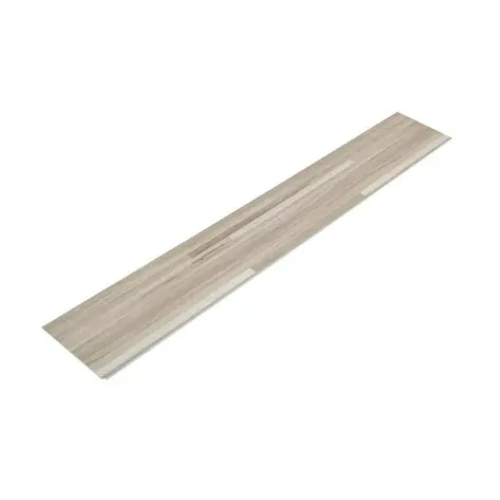
4. Stability: Why SPC Flooring Wins
Another area where SPC flooring outperforms LVP flooring is in its stability, especially in environments with fluctuating temperatures and humidity levels.
SPC Flooring: Superior Stability
Due to its rigid core construction, SPC flooring maintains its shape and structure under varying temperatures and humidity levels. It won’t expand or contract with changes in moisture, which makes it ideal for installation in areas with extreme environmental changes.
LVP Flooring: More Sensitive to Expansion
LVP is more prone to expanding or contracting when exposed to extreme temperatures or humidity. While it can still be installed in many environments, it requires more care and may not be suitable for rooms with high moisture levels.
5. Comfort and Sound Absorption: SPC Flooring vs LVP Flooring
Both SPC flooring and LVP flooring offer comfort underfoot, but their sound absorption properties differ.
SPC Flooring: Better Comfort and Soundproofing
SPC flooring has a denser structure, which provides more comfort underfoot and better sound insulation. The stone-plastic core helps to reduce sound transmission, making it a great choice for multi-story buildings or homes where noise reduction is a priority.
LVP Flooring: Good, but Less Effective
LVP flooring tends to have a thinner core and less soundproofing ability compared to SPC. While LVP still offers comfort, it doesn’t do as well in terms of sound absorption, which can be an issue in large, open spaces.
6. Aesthetic Appeal: SPC vs LVP Flooring
When it comes to design options, both SPC flooring and LVP flooring offer a wide range of choices, but the visual appeal can differ slightly.
SPC Flooring: Realistic Design
SPC flooring can offer a more realistic appearance due to its thicker wear layer. This allows it to mimic the look of hardwood, stone, or ceramic tiles with a greater level of detail and authenticity. Additionally, the wear layer provides long-lasting beauty, even in high-traffic areas.
LVP Flooring: Variety of Designs
LVP flooring comes in a variety of styles, colors, and textures, offering a vast array of designs that replicate the look of hardwood, marble, or ceramic. However, its thinner construction means it might not have the same depth or realism as SPC.
7. Installation: SPC Flooring’s Advantage
Both SPC and LVP flooring offer easy installation systems, but SPC flooring often has an edge.
SPC Flooring: Easy Installation
Most SPC flooring comes with a click-lock installation system, which makes it simple for DIY installation. This system allows the planks to easily click into place without the need for adhesives or nails, saving both time and money.
LVP Flooring: Click-Lock Installation
LVP flooring also features a click-lock installation system, making it relatively easy to install. However, SPC’s rigid core and superior fit make it easier to install without gaps or overlaps compared to LVP flooring, which may shift more easily over time.
8. Environmental Impact: SPC vs LVP Flooring
When considering the environmental footprint, SPC flooring and LVP flooring both have eco-friendly features, but SPC flooring tends to have a more sustainable profile.
SPC Flooring: Environmentally Friendly
SPC flooring is often made with recyclable materials and has low VOC (Volatile Organic Compounds) emissions, making it a more environmentally conscious choice. The stone-based core is made from sustainable materials, further reducing its environmental impact.
LVP Flooring: Moderate Eco-Friendliness
LVP is made primarily from PVC, which is a plastic material. While many LVP products are phthalate-free and meet certain environmental standards, they are still not as eco-friendly as SPC due to their reliance on plastic.
9. Pricing and Value for Money: SPC vs LVP Flooring
SPC Flooring: A Long-Term Investment
While SPC flooring may come with a higher upfront cost, it offers better durability and water resistance, which can save money in the long run. Its superior performance and low maintenance needs make it a smart investment for areas that experience heavy foot traffic or moisture.
LVP Flooring: Budget-Friendly Option
LVP flooring is generally more affordable, making it a good choice for those on a budget. However, it may require more frequent replacements or repairs due to its lower durability compared to SPC flooring.
10. Conclusion
In conclusion, SPC flooring is the superior choice when compared to LVP flooring, particularly for its durability, water resistance, stability, and long-term value. With its rigid core, SPC flooring provides exceptional protection against impacts, scratches, and moisture, making it perfect for high-traffic areas and moisture-prone spaces like kitchens and bathrooms. While LVP may be a more budget-friendly option, SPC flooring's enhanced durability and longevity make it a worthwhile investment in the long run.
At Guangdong Kaxier Wall Panel Factory, we specialize in offering high-quality SPC flooring solutions that cater to both residential and commercial needs. Our SPC flooring is designed to meet the highest standards of durability and performance, ensuring your space remains stylish and functional for years to come. If you are looking for reliable and eco-friendly flooring options, we invite you to learn more about our products and get in touch with us today for expert guidance and tailored solutions.
11. FAQ
1. What is the main difference between SPC and LVP flooring?
SPC flooring features a rigid stone-plastic composite core, offering superior durability and moisture resistance. LVP flooring has a flexible PVC core, which is more affordable but less durable.
2. Is SPC flooring more water-resistant than LVP flooring?
Yes, SPC flooring is 100% waterproof, making it ideal for moisture-prone areas, while LVP is only water-resistant and may suffer damage with prolonged exposure to water.
3. Which flooring is more durable: SPC or LVP?
SPC flooring is more durable due to its rigid core, which resists scratches, dents, and impacts. LVP is durable but less resistant to heavy impacts and scratches.
4. Can SPC flooring be installed easily?
Yes, SPC flooring uses a click-lock installation system that allows for quick and easy DIY installation without the need for glue, nails, or staples.
5. Which flooring is more eco-friendly: SPC or LVP?
SPC flooring is generally considered more environmentally friendly due to its recyclable materials and low VOC emissions, whereas LVP has a higher plastic content.


