Bathroom and kitchen environments act as brutal proving grounds for building materials. They subject surfaces to extreme temperature fluctuations, high humidity, grease, and direct water exposure. Traditionally, homeowners and contractors relied heavily on ceramic tiles or drywall to combat these harsh conditions. However, a massive industry shift now points toward alternative wall claddings. Modern renovations demand faster installation, fewer grout lines, and superior moisture resistance.
In this guide, we evaluate the physical properties and implementation risks of modern paneling solutions in wet and hot zones. You will discover if these materials truly withstand daily wear and tear. We also provide actionable strategies to ensure long-term structural viability. By examining material science, installation protocols, and recognized limitations, you can make informed sourcing decisions for your next project.
Key Takeaways
Carbon crystal boards are structurally suitable for high-moisture and high-heat environments due to their non-porous composition and high-density extrusion process.
Performance in wet zones (like showers) depends heavily on installation quality, specifically joint sealing and edge banding, rather than just the board's inherent waterproof rating.
In kitchens, the material offers B1-level fire resistance and easy maintenance, making it a viable alternative to traditional tile splashbacks.
Procurement decisions should weigh aesthetic requirements, surface film quality, and installer familiarity against the upfront cost savings of rapid installation.
The Material Science: Why Carbon Crystal Survives Extreme Environments
Composition Breakdown
Traditional wood and MDF panels fail in damp environments. They absorb water through capillary action. This moisture causes the wood fibers to swell, warp, and ultimately rot. Modern extruded panels solve this fundamental flaw. Manufacturers blend bamboo charcoal powder, PVC resin, and a specialized carbon base layer. They extrude this mixture under extreme heat and pressure.
The resulting core is entirely non-porous. It blocks water molecules from penetrating the interior structure. Without internal voids, capillary action cannot occur. You get a solid, stable foundation. It resists structural degradation even when submerged. This dense core gives the carbon crystal board its distinct advantage in demanding indoor environments.
Surface Lamination Technology
A durable core needs an equally resilient surface. Factories apply decorative films using advanced Polyurethane Reactive (PUR) hot-melt adhesives. These adhesives cure through a chemical reaction involving airborne moisture. Once fully cured, PUR adhesives form an unbreakable, cross-linked bond.
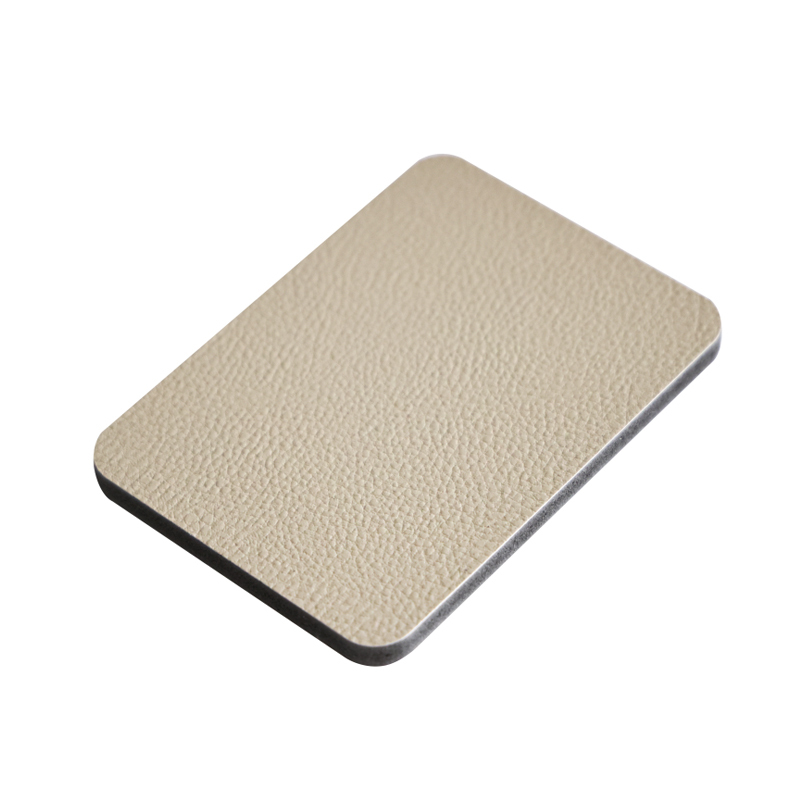
This bonding technology prevents delamination. It holds up beautifully in humid bathrooms. You can confidently specify complex finishes. For example, a Waterproof Leather Texture Bamboo Charcoal Panel maintains its tactile feel and visual appeal without peeling. The PUR adhesive layer acts as a secondary moisture barrier. It shields the core from surface condensation.
Thermal & Structural Stability
Kitchens and bathrooms experience rapid temperature shifts. Hot showers generate sudden steam. Cooking appliances blast localized heat. Many plastic-based wall claddings expand and buckle under these conditions. However, the bamboo charcoal matrix stabilizes the PVC polymer chains.
This composite structure drastically reduces the coefficient of thermal expansion. Panels remain dimensionally stable during sudden temperature spikes. Your wall joints stay tight. Your sealants remain intact. This thermal stability prevents ugly bulging along large wall spans.
Material Performance Comparison
Material Type
Water Absorption Rate
Thermal Expansion Risk
Capillary Action
Standard MDF
High
Moderate
Yes
Standard PVC Panel
Low
High
No
Bamboo Charcoal / Carbon Crystal
Near Zero
Low
No
Evaluating Bathroom Applications: Moisture, Mold, and Wet Zones
Direct Water Exposure (Shower Enclosures)
Showers represent the ultimate test for wall claddings. The panels face direct water sprays daily. The board itself repels water effortlessly. Yet, the overall system relies on meticulous joint management. Water will exploit any microscopic gap between panels.
You must use waterproof structural adhesives during installation. Standard construction glues degrade when exposed to continuous moisture. Furthermore, installers must apply premium anti-mold silicone sealants at every seam. Metal edge banding provides extra protection for exposed corners. When installed correctly, this system creates an impenetrable barrier against splashing water.
Condensation and Mold Resistance
Bathrooms trap airborne moisture. Steam condenses on cold walls, creating an ideal breeding ground for mold. Traditional ceramic tiles use porous cement-based grout. Grout lines absorb moisture and foster bacterial growth. Cleaning them requires harsh chemicals and relentless scrubbing.
In contrast, smooth, non-porous panels deny mold a foothold. Bacteria cannot root into the slick surface film. You wipe condensation away effortlessly. This fundamental difference drastically reduces long-term maintenance costs. Homeowners spend less time scrubbing and more time enjoying their space.
Installation Over Existing Substrates
Renovating a bathroom usually involves messy, loud demolition. Jackhammering old tiles creates hazardous dust. It also adds weeks to the project timeline. Extruded wall panels offer a brilliant retrofit advantage. Installers can mount them directly over existing ceramic tiles.
Best Practices for Retrofit Installation:
Clean the old tiles thoroughly to remove soap scum and loose debris.
Scuff the glossy tile surface using coarse sandpaper to improve adhesive grip.
Apply generous beads of modified silane polymer adhesive to the panel back.
Press the panel firmly into place, using laser levels to ensure perfect alignment.
Seal all locking joints and perimeter edges with sanitary-grade silicone.
This process eliminates demolition. You save money on waste disposal. You return the bathroom to service in days rather than weeks.
Evaluating Kitchen Applications: Heat, Grease, and Fire Safety
Fire and Heat Ratings
Kitchen fires pose a severe residential hazard. Wall claddings near stovetops must meet strict safety standards. These advanced panels typically achieve a B1 fire-retardant classification. A B1 rating means the material is flame-retardant and self-extinguishing.
If a grease fire occurs, the panel will not fuel the flames. It stops burning once you remove the primary heat source. However, you must remember they are not entirely fireproof. They will char under direct, sustained flame. Always maintain the manufacturer's recommended safe distance between the panel and gas burners.
Grease Resistance and Maintenance
Cooking generates aerosolized oils. Acidic foods like tomato sauce splash onto walls. Conventional painted drywall stains immediately. Natural stone backsplashes absorb oils unless resealed frequently. Kitchen wall panels need robust chemical resistance.
The protective PET or PVC surface films excel here. They repel hot cooking oils. Acidic splashes wipe off without etching the finish. You can clean daily messes using standard alkaline household cleaners.
Kitchens are active workspaces. Heavy cast iron pans swing around. Countertop appliances bump against the walls. Standard hollow PVC panels dent or crack easily under these impacts.
The high-density solid core changes this dynamic. It absorbs blunt force much better than traditional plastics. A rogue toaster oven will not punch a hole through the wall. This impact resistance keeps the kitchen looking pristine for years.
Implementation Risks and Acknowledged Disadvantages
The "Seam" Vulnerability
No building material is perfect. We must acknowledge potential failure points. While the panel core is completely waterproof, the joints are vulnerable. Metal trims and interlocking edges handle routine splashes well. However, if a sealant bead breaks, water can migrate behind the wall.
Once water breaches the seam, it damages the substrate. Installers must never rush the sealing process. Rushed installations lead to micro-gaps. Always use high-grade silicone and inspect every joint meticulously before commissioning a wet zone.
Sub-Wall Requirements
Rigid panels hide minor wall imperfections beautifully. They bridge small gaps and smooth out slightly bumpy drywall. However, severely uneven walls present a major problem.
If a wall bows significantly, the panel cannot lay flat. This limits the adhesive contact area. You end up with hollow spots behind the board. Furthermore, bowing forces the interlocking mechanisms apart. Installers must level severely distorted walls with furring strips before hanging any panels.
Vapor Barrier Trapping
These panels act as absolute vapor barriers. They do not breathe. This property keeps room moisture out. Unfortunately, it also traps existing wall moisture in.
Common Mistake: Installing impermeable panels over damp drywall or fresh, uncured plaster.
If the substrate contains moisture, it cannot evaporate into the room. It stays trapped behind the panel. This hidden dampness rots wood framing and feeds hidden mold colonies. Always ensure the sub-wall is bone dry. Use moisture meters before applying any adhesive.
Scratch Visibility on Specific Finishes
Different surface films offer varying levels of scratch resistance. High-gloss finishes mimic polished marble beautifully. However, they show micro-scratches over time in high-traffic areas. Wiping a glossy kitchen backsplash with a gritty sponge will dull the finish.
If you anticipate heavy wear, choose matte or textured finishes. A textured film hides minor abrasions easily. It maintains its factory appearance much longer under harsh cleaning routines.
Decision Framework: Shortlisting and Specifying the Right Board
Thickness and Density Metrics
Not all panels meet wet-zone standards. Some manufacturers produce ultra-thin, low-density boards to cut costs. These flimsy panels lack the structural integrity required for bathrooms and kitchens.
Always specify a minimum thickness of 8mm to 9mm. Request the core density specifications from your supplier. A dense core ensures the locking joints will not snap during installation. It also guarantees the board will resist thermal warping near ovens and heaters.
Adhesive Specifications
The adhesive dictates the lifespan of your installation. Do not let contractors use generic construction adhesive in a shower. Standard glues become brittle over time. They fail when exposed to humidity and temperature shifts.
Specify modified silane (MS) polymer adhesives for wet areas. MS polymers remain permanently flexible. They absorb the slight thermal expansions of the board. They also bond aggressively to both porous substrates and non-porous panel backs.
Certification Verification
Trust but verify. Always demand compliance documents before purchasing bulk materials. Uncertified boards may contain harmful chemicals or fail fire safety tests.
Ask your supplier for SGS testing reports regarding formaldehyde emissions. Ensure the product meets E0 or E1 indoor air quality standards. Request the official fire rating certificates to confirm the B1 classification. Finally, review their water absorption rate tests to verify the core density claims. Proper certification protects your health and your investment.
If you need guaranteed quality, sourcing a certified Carbon Crystal Board ensures you meet all essential safety and performance benchmarks.
Conclusion
Extruded bamboo charcoal and carbon crystal panels offer immense value in demanding environments. They resist water, inhibit mold, and withstand rapid temperature changes. Their solid core prevents capillary action, while advanced PUR adhesives lock decorative films firmly in place. They serve as an excellent, fast-install alternative to traditional ceramic tiles.
However, successful implementation requires strict adherence to installation protocols. The material thrives only when paired with level substrates, structural adhesives, and meticulous seam sealing. The boards are highly suitable for bathrooms and kitchens provided you respect these boundaries.
To move forward, request cross-section samples from your shortlisted suppliers. Test the surface film adhesion yourself. If you plan a large commercial rollout, build a small-scale mockup room first. This allows you to evaluate both the material performance and the competency of your installation team.
FAQ
Q: Can carbon crystal boards be installed directly inside a shower cubicle?
A: Yes, they perform excellently in shower cubicles. Because the core is completely non-porous, water cannot penetrate the board. However, you must seal every interlocking joint with premium anti-mold silicone. You also need waterproof metal edge trims to protect all exposed corners from water ingress.
Q: Will the heat from a kitchen stove melt or deform the panel?
A: No, normal cooking heat will not deform them. These panels possess a B1 fire-retardant rating, meaning they resist ignition and self-extinguish. They maintain high thermal stability. However, you should still follow building codes and maintain a safe clearance distance from open gas flames.
Q: How do you clean grease or soap scum off the textured panels?
A: You can easily wipe them down using mild dish soap, warm water, and a soft microfiber cloth. The PET/PVC surface films resist chemical staining from common household items. Avoid abrasive scouring pads and harsh bleach, as these can dull the decorative finish over time.
Q: Can I install these panels over existing bathroom tiles?
A: Yes, retrofitting over old tiles is a major advantage. It saves time and prevents demolition dust. You must clean and scuff the old tiles to ensure good adhesion. Use a high-quality modified silane polymer adhesive to bond the panel directly to the existing tile surface.
The company was established in 2018 and specializes in new environmentally friendly indoor decorative materials such as SPC flooring, WPC flooring, carbon crystal flooring, wood veneer panels, and carbon crystal wall panels.