Selecting the correct wall panel thickness is a critical structural decision. It goes far beyond mere interior aesthetics. Choosing the wrong dimension can trigger major project failures. You risk extensive panel warping and ugly surface telegraphing. Sub-wall imperfections easily show through poorly chosen panels. Inadequate thickness also causes unnecessary structural strain over time. A carbon crystal board is highly durable. It resists moisture remarkably well. However, its real-world performance depends heavily on one specific factor. You must strictly match the panel thickness to your unique interior environment. You must also evaluate your exact sub-wall conditions before ordering. This guide provides a technical, outcome-based framework. We will help you evaluate and specify the ideal thickness. You can apply this logic to residential and commercial interior projects. We will explore how material depth impacts structural integrity, installation speed, and visual quality.
Key Takeaways
Carbon crystal board typically ranges from 5mm to 9mm in thickness, with 8mm serving as the industry standard for high-end interior walls.
Thinner boards (5-6mm) require near-perfect sub-wall conditions to prevent surface deflection, while thicker boards (8mm+) offer better acoustic insulation and hide structural flaws.
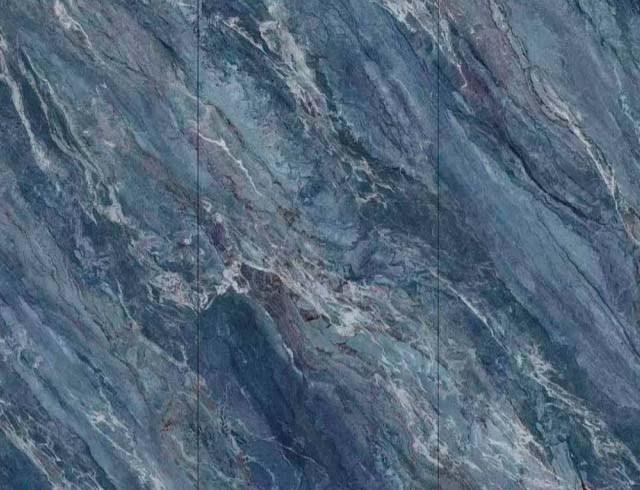
Premium finishes, such as an **8mm Marble Pattern Carbon Crystal Board**, require specific thickness to support deeper embossing and realistic textures without compromising core rigidity.
Total project cost must account for sub-wall preparation; thinner boards save material costs but may exponentially increase labor for wall leveling.
Panel thickness directly interacts with existing wall imperfections. We call this interaction sub-wall tolerance. Thin panels lack structural rigidity. They naturally tend to bend and conform to the underlying surface. This causes a negative phenomenon known as telegraphing. Small bumps, old screw heads, and plaster dips translate right through the decorative face. You end up seeing every flaw in the substrate. Conversely, thicker, rigid panels bridge minor gaps effortlessly. They span over small holes. They remain perfectly flat over uneven plaster. This rigidity saves you from extensive wall sanding.
You must also consider thermal and acoustic properties. Every building material has distinct physical limits. Thicker boards marginally improve sound dampening between rooms. They also offer slight thermal bridging benefits. However, we must clarify a common industry misconception. A heavier board should never replace dedicated wall insulation. It simply adds an extra acoustic buffer. It reduces minor room reverberation. You still need proper fiberglass or spray foam inside the wall cavity.
Finally, we must evaluate impact resistance. Corridors and public spaces experience heavy daily foot traffic. Structural deflection happens when someone bumps into a wall. If a panel is too thin, it flexes inward. This sudden flexing can easily crack the surface veneer. A sturdy core absorbs blunt force effectively. Thicker dimensions prevent the board from bowing under pressure. They keep the decorative lamination completely intact over time. Hotel luggage carts constantly strike hallway walls. An 8mm panel absorbs this daily shock without sustaining permanent dents.
Standard Carbon Crystal Board Thickness Categories
Categorizing boards by thickness helps you narrow down specific options. You can match the physical profile to your structural project goals. Let us examine the two primary thickness brackets available in today's market.
5mm to 6mm: Lightweight & Flexibility-Oriented
Thinner boards offer unique advantages for highly specific applications. They weigh significantly less than their thicker commercial counterparts.
Best Use Cases: They perform beautifully on suspended ceilings. You can wrap them around curved architectural elements. They also work exceptionally well over perfectly plumb, pristine drywall.
Risks: You face a high susceptibility to telegraphing wall defects. Any bump larger than a grain of sand might show. Furthermore, thinner boards require specialized, high-coverage adhesives. You must apply adhesive generously across the entire back. This prevents sudden delamination. The thin panel simply lacks the core strength to hold itself entirely flat.
8mm to 9mm: The Commercial & Premium Standard
This category represents the industry benchmark for professional interior installations. It balances material weight, surface rigidity, and aesthetic potential perfectly.
Best Use Cases: Installers use these in high-traffic commercial interiors. They suit busy residential living spaces perfectly. Luxury residential renovations almost exclusively rely on this thickness bracket.
Feature Spotlight: Consider the 8mm Marble Pattern Carbon Crystal Board. This dimension serves as the absolute optimal baseline. It allows manufacturers to achieve ultra-realistic stone, wood, or metallic veneers. The core remains incredibly robust. It comfortably supports complex surface lamination processes. Deep texture embossing requires a dense, thick substrate.
Benefits: This size offers the highest dimensional stability available. It effectively prevents warping over large horizontal spans. You can also use standard structural jointing systems. Commercial aluminum trims fit 8mm edges perfectly.
Application-Based Decision Matrix
Choosing the right panel size requires a highly practical approach. You must evaluate the specific physical demands of your space. We created a targeted decision framework to simplify your specification process.
You should frame your choice around realistic wear-and-tear expectations. Commercial spaces include hotels, retail stores, and busy corporate offices. These environments strictly require 8mm or 9mm panels. Janitorial carts hit the walls frequently. Maintenance staff perform heavy, frequent cleaning routines. Thinner panels will simply fail under these harsh commercial conditions. Conversely, a 5mm board might suffice for residential accent walls. Living rooms see far less daily abuse. They rarely experience high-impact strikes.
Humid environments demand careful material specification. Moisture ingress quickly ruins traditional drywall. A quality carbon crystal board naturally resists water. However, thicker boards provide significantly better edge-sealing capabilities. Plumbers and installers can apply thicker beads of silicone. A wider panel edge gives sealants more surface area to grip. This creates a vastly superior watertight barrier around showers and commercial sinks. It actively prevents hidden mold growth behind the panels.
Your desired finish heavily dictates your core thickness requirements. Flat, glossy colors might work on thinner substrates. Deeply textured finishes require thicker boards. High-end panels feature synchronized wood grain or pitted stone textures. Manufacturers must press these complex textures deeply into the board. If the core is too thin, the panel becomes brittle. An 8mm base ensures the material remains tough despite heavy surface texturing.
Application Area
Recommended Thickness
Primary Reason
Ceilings & Curved Walls
5mm - 6mm
Requires maximum flexibility and lower weight limits.
Residential Accent Walls
5mm - 8mm
Low impact risk; choice depends purely on substrate condition.
Bathrooms & Kitchens
8mm+
Provides wider edges for superior silicone moisture sealing.
Hotel Corridors & Lobbies
8mm - 9mm
High impact resistance; withstands luggage and cart bumps.
Installation Realities and Implementation Risks
Architectural theory differs from actual job-site reality. You must understand how panel thickness changes the installation process. Labor requirements shift dramatically based on the specific panel size you choose.
We must provide realistic insights into site logistics. Thicker panels are significantly heavier. A standard 8mm sheet requires reliable two-person handling. You cannot rely on construction adhesive alone. Heavy boards demand robust mechanical fasteners. Installers must use metal clips, screws, or aluminum channels. Proper structural support prevents the heavy panels from sliding down the wall. You must secure them mechanically before the adhesives fully cure.
Different thicknesses require specific cutting approaches on site. Discussing the actual tools required is essential. Installers need premium track saws equipped with fine-tooth carbide blades. Interestingly, 8mm boards often cut much cleaner. They are far less prone to edge-chipping during long cuts. Thinner alternatives tend to be significantly more brittle. A thin board vibrates aggressively against the saw blade. This vibration causes ugly micro-fractures along the decorative edge.
Panel thickness heavily impacts your joint design choices. Many designers prefer seamless folded corners. Installers achieve this by V-grooving the back of the panel. They then bend the board safely around a 90-degree corner. You absolutely need an 8mm board for effective V-grooving. It leaves enough front material to hold the fold together securely. Thinner panels snap instantly when bent. If you use 5mm boards, you must install external corner trims instead.
Cost-to-Performance Analysis (ROI)
Budget considerations often drive initial specification decisions. However, looking only at the retail sticker price is dangerous. You must evaluate the entire project cost lifecycle.
Many buyers hold a common financial misconception. They assume thinner panels are always more economical. Thinner materials do cost slightly less per square foot. Yet, they can exponentially increase your hidden labor expenses. Spending more on an 8mm panel often eliminates costly drywall skimming. It removes the need for extensive wall leveling labor. The rigid board successfully hides the messy substrate underneath. You save thousands of dollars on preliminary prep work alone.
You must highlight the reduced replacement costs of thicker boards. Environments prone to sudden impact destroy thin materials very quickly. Replacing a single damaged wall panel disrupts daily business operations. It incurs fresh labor charges and new material costs. Thicker boards act as a powerful risk-mitigation investment. They easily survive blunt force trauma. They extend the overall renovation cycle by several critical years.
We provide a definitive shortlisting framework for buyers. Follow this structured logic approach when specifying materials:
Evaluate the sub-wall condition first: Rough, uneven walls instantly disqualify 5mm panels. You must upgrade to 8mm unless you plan to skim coat the entire room.
Determine the traffic level second: Assess daily wear and tear. High foot traffic areas require maximum impact resistance from thicker boards.
Select the texture and pattern third: Choose deep aesthetic embossments only if you selected a thicker core in the previous steps.
Conclusion
We must reiterate a fundamental architectural truth. Thickness is the foundational metric for your interior upgrade. It directly dictates your project's overall durability. It actively controls your installation speed. Ultimately, it determines your final visual quality. We strongly advise a standard baseline approach for most applications. For the vast majority of direct-to-stud or retrofitting projects, an 8mm thickness is best. It offers the absolute safest balance of structural rigidity and aesthetic versatility. It also guarantees reliable installation ease. We encourage all buyers to take one final practical step. Request physical samples of different thicknesses today. Test the material rigidity yourself. Inspect the finish quality closely before placing any bulk commercial order.
FAQ
Q: Can I use a 5mm carbon crystal board over existing tile?
A: Yes, but only if the grout lines are shallow or completely filled. Thin boards tend to bend into depressions. This will cause the tile grid to telegraph through the surface. Otherwise, an 8mm board is highly recommended. The thicker core easily bridges gaps without showing the grid underneath.
Q: Does a thicker carbon crystal board require special adhesives?
A: Yes. You must use professional-grade structural adhesives. Polyurethane-based construction adhesive works best. Because anything 8mm or thicker carries increased weight, you cannot rely on glue alone. You must combine strong adhesives with appropriate mechanical fasteners to ensure total structural safety.
Q: Is an 8mm Marble Pattern Carbon Crystal Board waterproof?
A: The core material itself is completely impervious to water. However, your wall's waterproof integrity depends entirely on installation quality. You must execute proper edge-sealing. Installers must use silicone in all joint channels. Thickness does not replace the need for meticulous sealing in wet areas.
Q: What are the disadvantages of choosing the thickest available panel?
A: Selecting the thickest board increases your shipping costs due to added weight. Heavy panels also create difficulty maneuvering in tight interior spaces. Installers will face fatigue and necessity for heavy-duty cutting tools. You should actively limit the "thicker is always better" bias to avoid wasted resources.
The company was established in 2018 and specializes in new environmentally friendly indoor decorative materials such as SPC flooring, WPC flooring, carbon crystal flooring, wood veneer panels, and carbon crystal wall panels.