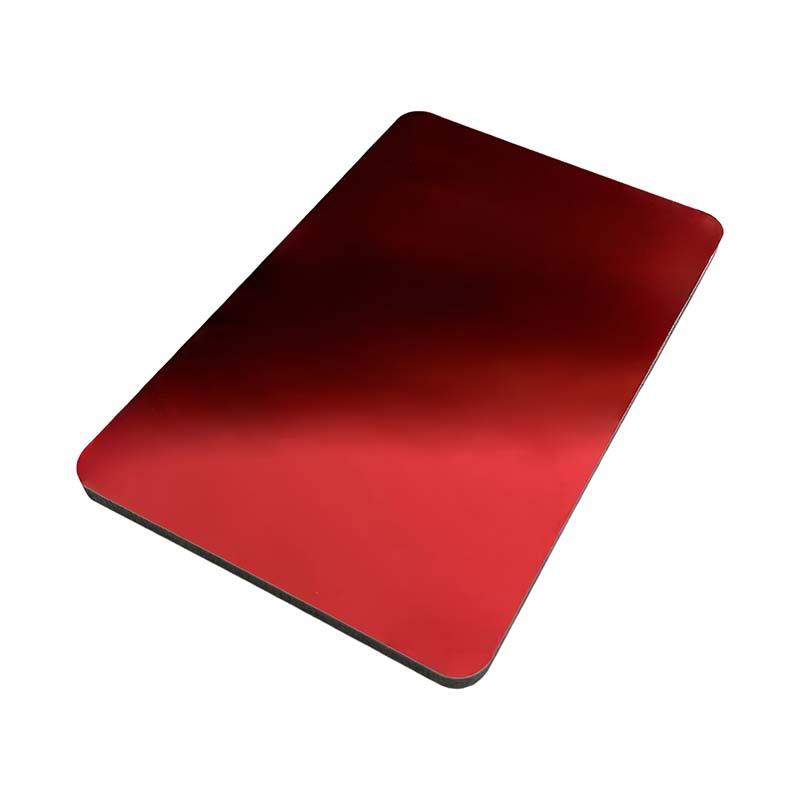
Dark, sleek interior surfaces command attention immediately. They elevate modern architectural spaces instantly. However, these stunning design elements introduce a distinct maintenance challenge. Deep hues reveal dust quickly. Accidental smudges stand out clearly. Oily fingerprints show up far more readily than on lighter surfaces. You might feel tempted to grab standard spray bottles. You want to fix the mess fast.
Generic household cleaners often do more harm than good. They strip essential protective coatings from the surface. These harsh liquids inflict microscopic scratches across your walls. They also leave permanent cloudy streaks behind. These mistakes quickly degrade the visual impact of your beautiful room. You lose the premium feel you paid for.
You need a standardized, risk-free protocol to protect your investment. We will explore how to identify your specific finish correctly. You will learn how to choose the right non-abrasive tools. We will teach you the exact methods to keep your panels pristine. You can maintain structural integrity and aesthetic perfection for decades.
Key Takeaways
Tool selection is non-negotiable: Only non-abrasive tools (like high-GSM microfiber) should touch a charcoal wall panel to prevent micro-abrasions.
Moisture control is critical: While many modern veneers are moisture-resistant, excessive water can cause edge-swelling or seep into fluted seams.
Chemicals to avoid: Ammonia, bleach, and acidic DIY solutions (like raw vinegar) will degrade veneer finishes over time.
Finish dictates the method: A Mirror Finished Bamboo Charcoal Veneer Panel requires entirely different handling than a textured, matte louvered panel.
Assessing Your Panel’s Finish and Material Composition
You must identify your specific panel material first. Different manufacturing processes create drastically different surface behaviors. We must understand the finish before applying any cleaning method.
Identify the Surface Type
Matte and textured charcoal panels look incredibly sophisticated. These matte versions hide superficial scratches quite well. However, they possess a microscopic rough texture. This unique texture traps airborne dust quickly. You will notice dust accumulation faster here.
Conversely, a Charcoal Wall Panel,Mirror Finished Bamboo Charcoal Veneer Panel requires extreme care. This variant looks highly premium. It reflects ambient room light beautifully. Yet, this high-gloss surface remains hyper-sensitive. Abrasive friction damages it instantly. Improper wiping leaves obvious chemical smears behind.
Fluted or louvered profiles present another unique challenge. These panels feature deep vertical grooves. You cannot simply wipe a flat cloth across them. They demand specialized physical dusting tools to reach interior crevices.
Implementation Reality
Homeowners often skip reading the manufacturer guidelines. You should never apply any liquid blindly. Applying wax-based furniture polish ruins matte finishes. The wax creates a patchy, uneven shine. Using a dry, rough rag on a mirror finish causes damage. It creates distinct spiderweb scratching.
You must tailor your cleaning approach carefully. Follow these essential preliminary steps:
Identify the exact topcoat applied during manufacturing.
Check your official warranty documentation for prohibited substances.
Select a hidden corner near the baseboard for testing.
Test your planned cleaning method on this small spot first.
The Standard Operating Procedure (SOP) for Routine Dusting
You need a highly disciplined dusting schedule. Routine dry maintenance prevents severe problems later. We highly recommend weekly dry dusting sessions.
Frequency Requirements
Many people ignore light dust buildup. Airborne particulates seem harmless at a glance. However, household dust contains tiny silica particles. These rough particles act like microscopic sandpaper. If you rub them heavily into the panel, they cause micro-abrasions. Regular weekly removal prevents this dangerous accumulation.
Approved Tools
You must select your cleaning arsenal carefully. Electrostatic dusters offer the safest approach. They magnetically attract stray particles. They never push dirt across the sensitive surface. You should also stock up on microfiber cloths. Choose clean, dry versions specifically designed for delicate screens.
High-GSM microfiber absorbs oils safely without scratching. Soft-bristled vacuum attachments provide another excellent option. They work perfectly for cleaning out deep fluted grooves. Ensure the plastic vacuum nozzle never touches the wood.
Technique
Your wiping motion matters immensely. You must always wipe along the natural wood grain. For slatted designs, follow the vertical fluting downwards. You must never use circular wiping motions on a charcoal wall panel.
Circular rubbing highlights streaks aggressively. It catches the room's light-reflection angle poorly. We advise using straight, sweeping, overlapping passes instead. This methodical approach guarantees a flawless, streak-free result.
Tool Category
Primary Function
Surface Risk Level
Electrostatic Duster
Daily light dust attraction and removal
Very Low
High-GSM Microfiber
Smudge and fingerprint removal
Low
Soft Vacuum Brush
Extracting dust from deep fluted grooves
Low-Medium
Standard Paper Towels
Absolutely nothing (contains abrasive wood pulp)
Extremely High
Targeted Stain Removal and Deep Cleaning
Sometimes dry dusting is not enough. You will eventually encounter oily fingerprints. Accidental food splashes happen in busy homes. You need a gentle, targeted approach for liquid cleaning.
Handling Fingerprints and Oil
Human skin naturally transfers oils upon contact. These smudges ruin the flawless look of dark surfaces. Create a heavily diluted cleaning mixture. Use a trusted pH-neutral dish soap solution.
Add only one or two drops into a cup of distilled water. Apply this soapy solution directly to your microfiber cloth. You must never spray it onto the panel itself. Direct spraying allows water to run down into the sensitive seams.
Addressing Stubborn Marks
You will encounter tougher stains eventually. Cosmetics, food splatters, or shoe scuffs happen often. You might feel tempted to use magic erasers. Avoid melamine foam products completely. They function exactly like ultrafine sandpaper.
They will permanently dull your elegant finish. Instead, purchase a specialized wood cabinet cleaner. Ensure the formula explicitly states it is non-abrasive.
Risk Mitigation
We always advise performing a simple spot-test first. Find an inconspicuous area near the floor baseboard. Treat this small spot before tackling eye-level stains. Wait twenty-four hours to check for dullness. This simple precaution prevents widespread aesthetic disasters.
The Drying Phase
You must execute a strict drying phase. Follow any damp wiping immediately. Use a completely clean, dry microfiber cloth. Water spots stand out vibrantly on dark charcoal surfaces. Swift, thorough drying eliminates these unwanted visual interruptions.
Fold your microfiber cloth into quarters to expose fresh sides constantly.
Use distilled water to prevent white mineral deposit streaks.
Wipe gently without applying heavy downward physical pressure.
Keep a secondary dry cloth over your shoulder for immediate use.
What NOT to Do: Common Cleaning Mistakes That Void Warranties
Many homeowners accidentally ruin their expensive installations. They grab the wrong products purely out of habit. We see these avoidable mistakes repeatedly in the industry.
Abrasive Contamination
Never use standard paper towels. Paper products contain coarse, recycled wood fibers. They introduce harsh friction upon contact. Avoid basic kitchen sponges entirely. Do not reuse dirty cloths from previous household chores.
These older items retain hidden dirt and grit. They will severely scratch your delicate protective layer. Once scratched, the panel loses its premium luster permanently.
Chemical Degradation
People frequently grab multi-surface window cleaners. These formulas typically contain heavy amounts of ammonia. Heavy-duty degreasers pose similar aggressive threats. They rapidly strip away the protective factory seal.
This chemical attack causes premature fading over time. It permanently discolors the rich, deep charcoal pigment. You cannot reverse this chemical damage once it occurs. The only solution is complete panel replacement.
Over-Saturation
You must keep excess moisture far away. Never leave standing water inside interlocking panel joints. Many bamboo charcoal substrates resist basic environmental humidity. However, prolonged water exposure at the seams spells trouble.
Moisture slowly seeps into the microscopic panel gaps through capillary action. It eventually compromises the strong structural adhesive underneath. The panel edges will swell, warp, and peel away from the wall.
Chemical Type
Immediate Visual Effect
Long-Term Structural Damage
Ammonia-based Sprays
Smears existing surface oils rapidly
Strips the factory topcoat entirely
Undiluted Bleach
Etches the surface unevenly
Discolors the dark pigment permanently
Raw Vinegar (Acid)
Leaves a persistent cloudy haze
Breaks down internal material bonding
Evaluating Maintenance as a Long-Term Ownership Factor
You must evaluate your actual environment carefully before installation. Maintenance scalability determines how well the product ages. A beautiful panel loses its appeal if you cannot clean it properly.
Scalability for Commercial vs. Residential
Residential spaces usually feature lower foot traffic. You can maintain a highly controlled climate at home. Simple routine dusting is usually sufficient for residential longevity. You can easily manage the occasional fingerprint.
Commercial settings introduce entirely different physical challenges. Hotel lobbies and busy office corridors experience high risks. Passersby constantly touch the walls. Accidental scuffs and handprints happen daily in commercial spaces.
If you specify materials for high-traffic areas, choose strategically. A matte or highly textured panel offers better safety here. It requires far less daily maintenance. It hides minor physical imperfections efficiently.
Final Decision Criteria
Ensure your chosen surface aligns seamlessly with your daily capabilities. Facility management teams must understand the specific upkeep requirements. You must provide them with the correct tools immediately.
High-gloss finishes demand strict, highly disciplined cleaning routines. If you commit to proper care, they retain stunning visual appeal. They will continue elevating your architectural design for decades.
Conclusion
Cleaning a dark architectural surface requires a deliberate mindset shift. You must move away from aggressive scrubbing tactics. You must embrace gentle, preventative maintenance instead. Small daily actions prevent major restoration headaches later.
We recommend relying heavily on electrostatic dry dusting. Treat this as your primary daily defense mechanism. Use pH-neutral damp cleaning very sparingly. Strictly ban abrasive tools and harsh chemicals from your routine.
Take action today to protect your walls. Review your current cleaning supply closet immediately. Throw away any rough sponges or acidic sprays. Purchase a dedicated stack of high-GSM microfiber cloths today. Implement these simple rules before performing your first post-installation clean.
FAQ
Q: Can I use a steam cleaner to sanitize my charcoal wall panels?
A: No. The concentrated heat and moisture from a steam cleaner cause immediate damage. They can melt factory-applied edge banding and severely warp the veneer. Steam will also degrade the core material underneath the finish. Always rely on dry dusting or lightly damp cloths instead.
Q: How do I remove minor scratches from a Mirror Finished Bamboo Charcoal Veneer Panel?
A: Deep scratches cannot be buffed out without specialized professional equipment. For superficial micro-scratches, look for a non-abrasive, silicone-free polish. Ensure it is designed specifically for high-gloss veneers. This may temporarily fill the fine lines. Ultimately, strict prevention remains your only true solution.
Q: Is it safe to use natural cleaners like vinegar and water?
A: Generally, no. Vinegar is highly acidic, carrying a pH around 2.5. Repeated use on a dark surface etches the protective topcoat. This chemical reaction leads to a cloudy, permanently faded appearance. You must stick exclusively to pH-neutral dish soap solutions for safe cleaning.
The company was established in 2018 and specializes in new environmentally friendly indoor decorative materials such as SPC flooring, WPC flooring, carbon crystal flooring, wood veneer panels, and carbon crystal wall panels.