1. Introduction to SPC Flooring
SPC (Stone Plastic Composite) flooring has become increasingly popular due to its superior durability, aesthetic flexibility, and environmental benefits. As a modern and versatile flooring solution, SPC offers numerous advantages over traditional flooring options such as hardwood, laminate, and tile. Its popularity is also driven by its robustness and ease of maintenance, making it a great choice for residential, commercial, and even industrial settings.
When investing in flooring, it's crucial to consider the lifespan of the material. SPC flooring provides a long-lasting and cost-effective solution, but understanding the various factors that contribute to its longevity will help you make an informed decision. In this article, we will explore how long SPC flooring can last, the factors that influence its durability, and how to maintain it properly to ensure it stays in excellent condition for years.
2. What is SPC Flooring?
Definition of SPC Flooring
SPC flooring is a cutting-edge engineered flooring material made from a combination of natural limestone powder and polyvinyl chloride (PVC). This blend of materials creates a rigid core that is highly durable, waterproof, and resistant to various environmental factors such as humidity and extreme temperatures. SPC flooring is typically designed with several layers, including the backing layer, core layer, decorative layer, and wear layer, which all contribute to its performance.
Key Features of SPC Flooring:
Waterproof: The core of SPC flooring is entirely waterproof, making it ideal for high-moisture areas. Unlike hardwood or laminate flooring, SPC will not warp, swell, or buckle when exposed to moisture.
Durable: SPC flooring is highly resistant to scratches, scuffs, dents, and general wear and tear. Its dense construction means it can withstand heavy foot traffic and impacts without losing its appearance.
Fire-resistant: SPC flooring is designed with fire resistance in mind. While it is not entirely fireproof, its fire-resistant properties make it safer compared to many other flooring options.
Easy Installation: Most SPC flooring options come with a click-lock installation system that requires no glue or nails. This makes it a quick and hassle-free flooring solution for homeowners and contractors alike.
Eco-friendly: SPC flooring is made from environmentally friendly materials and does not contain harmful substances like formaldehyde, making it a healthier choice for both homes and businesses.
Different Types of SPC Flooring:
Gloss Finish vs. Matte Finish: SPC flooring is available in a variety of finishes. A gloss finish adds a sleek, shiny look to any room, while a matte finish offers a more understated, natural appearance. Choosing the right finish depends on the overall aesthetic of your space and your personal preference.
Thickness Variations: SPC flooring typically comes in thicknesses ranging from 4mm to 6mm. Thicker options offer greater durability, noise reduction, and thermal insulation, making them ideal for commercial spaces, while thinner versions are often more suitable for residential use.
3. Factors Affecting the Lifespan of SPC Flooring
While SPC flooring is renowned for its longevity, several factors contribute to its overall lifespan. Understanding these factors is crucial to ensuring that your flooring continues to perform optimally for many years.
3.1 Quality of Installation
The installation process is one of the most critical aspects affecting the lifespan of SPC flooring. Even though SPC flooring is designed for easy installation, improper installation can lead to problems such as buckling, gaps, or uneven surfaces, which may result in premature wear.
Professional Installation: Hiring professionals who are experienced in installing SPC flooring ensures that the job is done correctly, resulting in a seamless and long-lasting installation. They will take care of subfloor preparation, expansion gaps, and proper alignment, all of which help maintain the floor's stability and longevity.
DIY Installation: For those who choose to install SPC flooring themselves, it is essential to follow the manufacturer’s instructions carefully. Missteps like inadequate subfloor preparation or improper handling of the planks can lead to unsatisfactory results.
3.2 Traffic and Usage
The amount of foot traffic and the type of activity in a given area can significantly impact the lifespan of SPC flooring. High-traffic zones, such as entryways, living rooms, and commercial spaces, will naturally experience more wear.
Impact of Usage:
High-Traffic Areas: Spaces that are subject to constant foot traffic, heavy furniture, or machinery will cause more pressure on the flooring, leading to potential damage over time. For example, commercial settings such as stores or offices typically experience heavier traffic compared to residential areas.
Low-Traffic Areas: In contrast, rooms with minimal foot traffic, such as bedrooms or closets, generally see less wear and tear. The floor will likely last much longer in these settings due to the reduced pressure and contact.
3.3 Maintenance and Care
Proper maintenance plays a pivotal role in ensuring that SPC flooring lasts for its full lifespan. Regular care and attention to detail can help prevent damage and preserve the floor’s appearance.
Cleaning Routine: Regular cleaning should include sweeping or vacuuming to remove dirt, dust, and debris that could scratch the surface. Mop the floor with a damp cloth and use mild cleaners to avoid damage to the wear layer.
Protective Measures: Using rugs and mats in high-traffic areas can help reduce friction and protect the flooring from scratches. Additionally, placing furniture pads under chairs and tables can prevent dents and damage from heavy furniture.
Temperature and Humidity: Excessive fluctuations in temperature and humidity can affect the integrity of SPC flooring. It’s crucial to maintain a stable indoor environment to prevent the material from expanding or contracting.
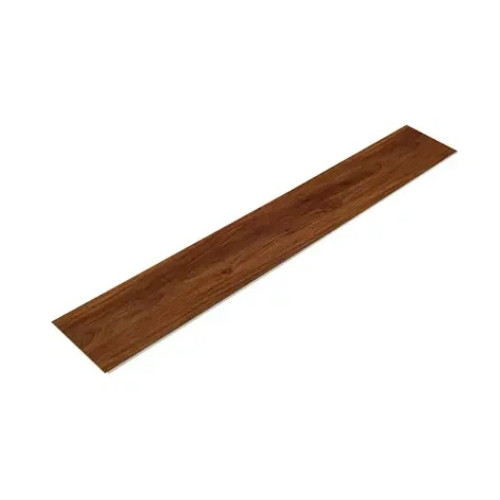
4. Average Lifespan of SPC Flooring
SPC flooring is known for its impressive durability, and with proper care, it can last anywhere from 20 to 30 years. This makes it a long-term flooring solution for homeowners and businesses alike.
Flooring Type | Average Lifespan | SPC Flooring Advantages |
SPC Flooring | 20-30 years | Waterproof, scratch-resistant, durable |
Hardwood | 15-25 years | Requires maintenance and refinishing |
Laminate | 10-20 years | Prone to scratches and water damage |
Vinyl Flooring | 10-20 years | Susceptible to wear and fading over time |
As illustrated in the table, SPC flooring outperforms many traditional flooring materials, including hardwood and laminate, especially when considering long-term durability and resistance to water, scratches, and wear.
5. How to Extend the Lifespan of SPC Flooring
Maintaining SPC flooring requires some simple yet effective practices that can prolong its lifespan and keep it looking new.
5.1 Regular Cleaning
Maintaining a regular cleaning routine is essential for preserving the beauty and functionality of SPC flooring. Routine dusting or vacuuming will prevent dirt and grit from causing abrasion on the surface, while damp mopping will keep it looking fresh.
Dry Dusting: Dusting or sweeping daily helps prevent particles from scratching the floor's surface.
Spot Cleaning: Any spills or stains should be wiped up immediately to prevent staining and damage to the flooring’s surface.
5.2 Protective Measures
To prevent heavy wear, consider using mats, rugs, or runners in high-traffic areas. These will act as barriers against scratches and dirt buildup. Additionally, use furniture pads under heavy objects to prevent damage from weight and movement.
5.3 Proper Temperature and Humidity Control
SPC flooring is stable, but to ensure optimal performance, it’s important to avoid extreme fluctuations in temperature and humidity. The ideal indoor climate should be between 60°F to 80°F (15°C to 27°C) with humidity levels between 40% to 60%. Keeping these conditions stable will prevent the material from expanding or contracting.
6. Benefits of SPC Flooring in Terms of Longevity
SPC flooring is a standout in terms of longevity, offering several benefits that ensure it will last for decades. The following advantages contribute to its long lifespan:
6.1 Durability Against Wear and Tear
SPC flooring features a highly durable wear layer that resists scratches, stains, and dents. This makes it particularly suitable for areas with high foot traffic and heavy use, such as kitchens, living rooms, or commercial spaces.
6.2 Water Resistance
One of the standout features of SPC flooring is its resistance to moisture. Unlike hardwood or laminate, SPC won’t swell or warp when exposed to water, making it a perfect solution for bathrooms, kitchens, and basements where water exposure is more common.
6.3 Stability
SPC flooring maintains its shape and stability despite changes in temperature or humidity, unlike traditional wood flooring, which can expand or contract. This makes it an ideal flooring option for environments with fluctuating climates, such as areas with high humidity or sudden temperature shifts.
7. Conclusion
SPC flooring is a durable, long-lasting, and low-maintenance flooring solution suitable for both residential and commercial spaces. With proper installation and regular maintenance, our SPC flooring can last up to 30 years, offering excellent value for your investment. Its water resistance, scratch resistance, and ease of care make it an ideal choice for any environment. At Guangdong Kaxier Wall Panel Factory, we are committed to providing high-quality SPC flooring that meets the highest standards of performance and aesthetics. Whether you're looking to upgrade your home or commercial property, our expert team is here to help you find the perfect flooring solution tailored to your needs. Contact us today to learn more about how our SPC flooring can enhance your space and provide lasting durability.
8. FAQ
Q1: How long can SPC flooring last in a commercial setting?
SPC flooring typically lasts between 20 and 25 years in commercial settings, depending on traffic and maintenance.
Q2: Is SPC flooring scratch-resistant?
Yes, SPC flooring is highly resistant to scratches due to its durable wear layer, making it suitable for high-traffic areas.
Q3: Can I install SPC flooring in a bathroom?
Yes, SPC flooring is waterproof and can be installed in bathrooms, kitchens, and other moisture-prone areas.
Q4: How do I clean SPC flooring to ensure it lasts?
Regular cleaning with a damp cloth or mop, using a mild cleaner, and avoiding harsh chemicals will help extend the life of your SPC flooring.


