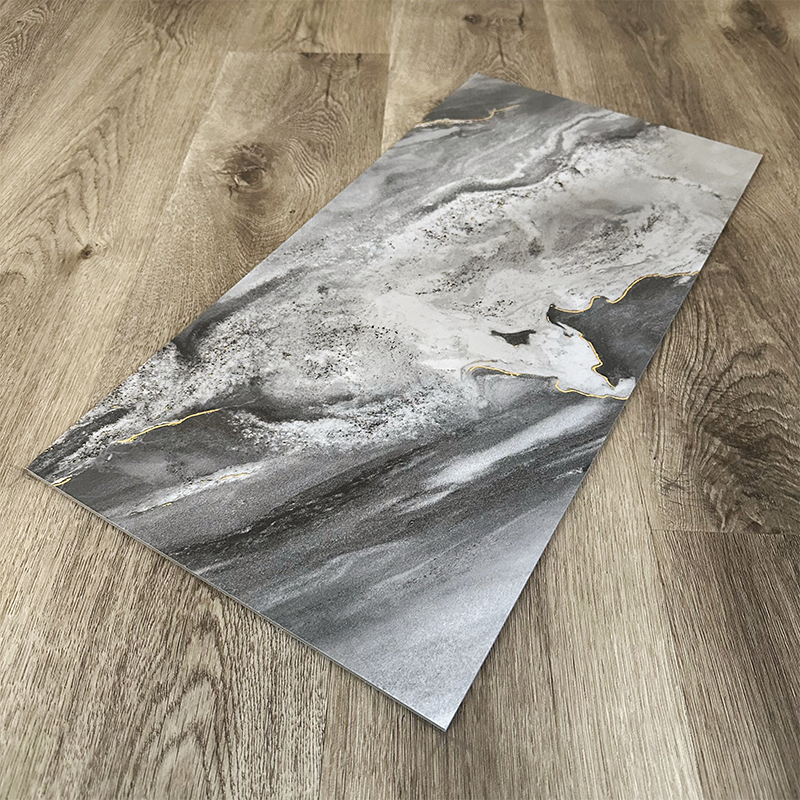
Modern commercial spaces demand building materials offering rapid installation and high aesthetic value. A carbon crystal wall panel delivers on both fronts beautifully. However, commercial buyers need verified data on lifecycle costs, maintenance overhead, and actual longevity. You cannot specify them for large-scale or high-traffic projects based on marketing claims alone. Structural realities, material science, and installation dependencies ultimately dictate their true indoor lifespan. In this article, we will examine these core factors objectively. You will learn how material density affects durability over decades of constant use. We will also explore common failure points and how to prevent them during installation. By understanding these variables, you can make informed procurement decisions. This ensures your upcoming architectural projects remain structurally sound and visually appealing for years.
Key Takeaways
Baseline Expectation: High-quality carbon crystal wall panels typically last 15 to 25+ years indoors, heavily dependent on installation environment and structural integrity.
Primary Degradation Factors: Adhesive failure and improper joint sealing are far more likely to compromise the panel than degradation of the carbon crystal material itself.
Material Resilience: Inherent moisture, mold, and fire resistance (typically B1/A grade) prevent the rot and warping common in traditional wood or MDF panels.
Aesthetic Longevity: Advanced surface films (e.g., in a Durable Golden Marble Bamboo Charcoal Panel) resist indoor UV fading and daily abrasion, though they require specific maintenance protocols to avoid delamination.
Baseline Lifespan vs. Implementation Reality
Manufacturers generally rate high-quality panels for 15 to 25 years of indoor use. This longevity stems from a unique composite structure. Factories combine a bamboo charcoal base with a rigid carbon crystal lattice. They form a highly durable, lightweight board. The core materials resist natural degradation beautifully. However, expected lifespan varies wildly based on actual implementation. Real-world conditions often challenge laboratory testing parameters.
Consider a climate-controlled corporate office or hotel lobby. Here, panels easily meet or exceed their 20-year rating. HVAC systems keep indoor humidity constant. Temperature fluctuations remain minimal throughout the year. The structural core experiences very little thermal stress. In contrast, commercial kitchens and gym locker rooms present severe challenges. High humidity and regular steam exposure accelerate wear. In these demanding zones, you might see practical lifespans drop closer to 10 or 15 years.
We must also acknowledge the critical "weakest link" principle. The Carbon Crystal Wall Panel itself rarely degrades first. Instead, the surrounding installation system usually fails. Substrate preparation dictates overall project longevity. If contractors apply boards over crumbling drywall, the system fails prematurely. If they use cheap adhesives, panels will eventually detach from the wall. You must view the panel and its installation as a single connected ecosystem.
Structural Resilience: Material Properties That Drive Longevity
Material science drives the impressive indoor lifespan of these architectural products. Their closed-cell structure prevents water absorption almost entirely. Traditional wood and MDF panels swell when exposed to moisture. They eventually warp, bow, or harbor dangerous black mold. Carbon crystal composites eliminate this moisture risk completely. They maintain strict dimensional stability over a two-decade lifecycle. You can confidently install them in damp basement renovations.
Fire resistance adds another vital layer of long-term commercial value. Premium panels typically achieve B1 or A-grade fire ratings. They resist ignition and actively slow interior flame spread. Maintaining structural integrity under heat stress is crucial for safety. It ensures long-term commercial building code compliance. Inspectors heavily favor materials resisting rapid fire degradation. This passive safety feature protects building occupants and property assets.
Impact tolerance also matters deeply in high-traffic corridors. Dense carbon crystal layers absorb blunt force highly effectively. Standard drywall dents easily from passing cleaning carts. Hollow PVC boards crack under moderate localized pressure. The dense composite core distributes impact kinetic energy safely. We can compare their performance directly against traditional materials below.
Material Type
Impact Tolerance
Moisture Resistance
Fire Rating Capability
Indoor Lifespan Expectancy
Carbon Crystal Composite
High (Resists denting)
Excellent (Closed-cell)
B1 / A Grade
15 - 25+ Years
Standard Drywall
Low (Dents easily)
Poor (Absorbs water)
Requires special coating
10 - 15 Years
Hollow PVC
Medium (Prone to cracking)
Good (Waterproof)
B2 Grade typically
5 - 10 Years
MDF / Engineered Wood
Medium (Scratches easily)
Poor (Swells quickly)
Requires treatment
10 - 20 Years
Aesthetic Longevity: Fading, Scratching, and Delamination
Structural integrity means little if the surface looks terrible eventually. Premium finishes resist daily wear remarkably well today. Manufacturers utilize advanced surface film technology during production. For example, a Durable Golden Marble Bamboo Charcoal Panel mimics authentic stone perfectly. It also resists deep scratches from passing luggage or furniture. The tough outer laminate protects the decorative print underneath.
Indoor UV resistance represents another common buyer concern. Natural light floods through large commercial glass windows. UV rays typically cause standard plastics to yellow or fade. High-end carbon crystal boards feature UV-stabilized decorative layers specifically. They block harmful solar rays effectively. The surface color remains vibrant over years of direct exposure. You will not see uneven fading patterns across large walls.
However, surface delamination remains a genuine long-term risk. The decorative layer can peel away from the core substrate. Extreme thermal shock causes this separation over time. Harsh chemical cleaners also degrade the clear protective film. You must establish strict facility maintenance boundaries. Proper care prevents the adhesive bond from breaking down prematurely.
Clean surfaces using only mild, pH-neutral soap solutions.
Avoid abrasive scrubbing sponges or harsh industrial solvents.
Wipe away acidic spills immediately to prevent film etching.
Maintain consistent indoor temperatures to prevent rapid thermal shock.
Use soft microfiber cloths for routine daily dusting tasks.
Common Points of Failure and Installation Risks
Even the finest materials fail under poor installation practices. Improper substrate preparation drastically reduces overall project lifespan. Applying panels over uneven walls creates hidden stress points. Damp or crumbling drywall compromises the adhesive bond entirely. The heavy panel will eventually pull away from the wall. Installers must prime and level every surface carefully.
Adhesive degradation represents another massive risk for longevity. Installers sometimes use non-compatible or budget construction adhesives. These cheap glues lose elasticity rapidly over time. Seasonal temperature shifts cause slight building settling and movements. Rigid, degraded adhesives simply snap under this sheer stress. The board falls off the wall unexpectedly.
Thermal expansion joints are equally critical for success. Installers must account for micro-expansion between adjacent panels. Materials expand slightly as room temperatures naturally rise. If they have no room to grow, they push against each other. This causes immediate buckling, seam cracking, or structural bowing.
Skipping the wall leveling process before applying structural adhesive.
Using brittle glues instead of flexible polyurethane adhesive blends.
Butting panels tightly against ceilings without leaving expansion gaps.
Failing to seal connecting joints in high-moisture bathroom environments.
Ignoring manufacturer guidelines regarding acclimatization periods before installation.
Evaluation Framework: Shortlisting Reliable Panels for Your Project
You must evaluate panel suppliers rigorously before purchasing. Density and weight metrics serve as excellent quality proxies. High density indicates a proper carbon crystal ratio inside. It guarantees overall durability and impact resistance. Avoid cheap, highly aerated knock-offs flooding the market. They feel unusually light and dent quite easily. Always request physical samples to test weight and rigidity.
Demand specific compliance documents from your B2B suppliers. Certification verification protects your financial investment and safety. Request authentic ISO manufacturing facility certificates. Ask for current CE markings for European market standards. Verify localized fire ratings and VOC emissions test reports. Authentic suppliers provide these technical documents willingly. They prove the material meets strict indoor health standards.
Finally, perform a deep warranty analysis on the contract. Read between the lines of a manufacturer’s stated warranty. You must separate structural guarantees from cosmetic surface guarantees. A company might offer a 20-year structural core warranty. However, their surface film guarantee might only last five years. Understand exactly what they cover before signing the purchase order. This prevents unexpected replacement costs later.
Conclusion
The long-term value of a quality carbon crystal wall board remains exceptionally high. Buyers must source high-density materials and enforce strict installation protocols. Substrate preparation and proper adhesives dictate true longevity. Following basic maintenance routines prevents surface delamination effectively.
Take action today to secure the best materials. Request physical material samples from verified suppliers. Review their technical specification sheets carefully. Consult with engineering teams to match panel types to specific environmental demands. This proactive approach ensures a beautiful, durable commercial space.
FAQ
Q: Does humidity in bathrooms or basements shorten the panel's lifespan?
A: No, inherent waterproof properties protect the panel completely. Their closed-cell structure prevents water from penetrating the core. However, you must use high-grade moisture-resistant adhesive and silicone sealants. Protecting the joints prevents water from trapping behind the boards.
Q: Can damaged panels be replaced individually without tearing down the whole wall?
A: Yes, modular locking mechanisms allow for targeted replacement. Installers utilize V-groove or seamless joint systems during setup. You can remove a single damaged panel carefully. This lowers long-term maintenance costs significantly compared to drywall repairs.
Q: How does the lifespan compare to traditional ceramic tiles or real marble?
A: Authentic stone and ceramic last centuries under ideal conditions. However, carbon crystal panels offer a comparable 20-year practical lifecycle. They achieve this at a fraction of the weight, cost, and installation time. They provide superior value for commercial renovation cycles.
Q: Do carbon crystal panels require specialized cleaning to maintain their lifespan?
A: No, standard pH-neutral cleaners remain perfectly sufficient. You should avoid harsh abrasives and industrial chemical solvents. These aggressive chemicals break down the protective surface film. Simple microfiber cloths and mild soap keep them looking pristine.
The company was established in 2018 and specializes in new environmentally friendly indoor decorative materials such as SPC flooring, WPC flooring, carbon crystal flooring, wood veneer panels, and carbon crystal wall panels.