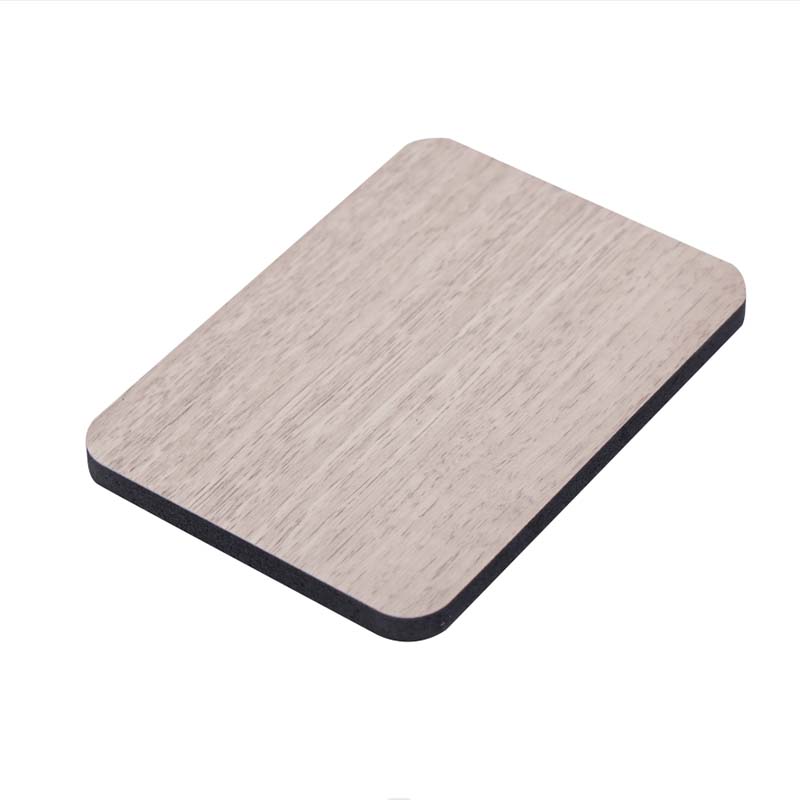
Architects and interior designers constantly face a frustrating material dilemma. You want authentic natural finishes in your spaces. Yet, modern project requirements demand strict budgets and extreme durability. Clients also expect lightning-fast installation speeds. Balancing these demands creates immense pressure during the specification phase.
Natural wood undoubtedly sets the historical standard for premium aesthetic appeal. However, placing real timber in high-traffic areas often leads to warping, scratching, and endless maintenance. Facility managers despise repairing dented veneer continually. Modern material engineering now offers highly viable alternatives. These engineered solutions solve traditional structural headaches. They maintain a luxurious aesthetic without the fragile nature of organic wood.
We will explore the bamboo charcoal panel as a formidable contender for commercial spaces. You will see an objective, criteria-based evaluation contrasting it against traditional wood. We examine composition, performance, visual authenticity, and installation economics. This detailed guide will confidently inform your next architectural specification.
Key Takeaways
Composition: Natural wood veneer uses thin slices of real timber glued to a substrate; bamboo charcoal panels utilize an extruded bamboo charcoal/PVC core bonded with decorative PET or PVC films.
Performance: Bamboo charcoal panels offer superior moisture, impact, and fire resistance, making them ideal for high-humidity or high-traffic environments.
Aesthetics: Natural wood provides unrepeatable, authentic grain and texture; bamboo charcoal provides visual consistency at scale but lacks the organic depth of real timber.
Implementation & Cost: Bamboo charcoal relies on dry, rapid installation with lower upfront and maintenance costs compared to the specialized labor required for natural wood.
Material Composition and Structural Integrity
The Anatomy of Natural Wood Veneer
Craftsmen have utilized natural wood veneer for centuries. Manufacturers create it by slicing real timber into very thin sheets. These sheets usually measure between 0.5mm and 2mm thick. Artisans then glue these organic slices to a solid substrate. The substrate is typically medium-density fiberboard (MDF) or standard plywood.
Wood remains an organic, living material long after harvesting. It reacts continually to surrounding environmental changes. You will notice wood expanding in humid summer months. It then contracts during dry winter heating cycles. This constant physical movement places immense stress on the adhesive layer. Over time, poorly managed environments cause surface cracking or severe peeling. Achieving perfection requires highly skilled carpenters.
The Anatomy of a Bamboo Charcoal Panel
Engineered alternatives take a completely different structural approach. A Bamboo Charcoal Panel features a highly stable composite core. Manufacturers mix finely milled bamboo charcoal powder into liquid PVC resin. They extrude this mixture under intense heat and pressure. The result is a rigid, dimensionally stable core board.
Next, factories apply a decorative surface layer. They use high-quality PET or PVC films to replicate natural wood grains. The process utilizes advanced hot-melt polyurethane adhesives to bond the film securely.
Skeptical consideration: Not all engineered panels perform equally well. Panel quality relies heavily on the factory lamination process. Cheap adhesives easily cause the decorative film to delaminate. You must evaluate the surface film grade carefully.
Common Mistake: Buyers often choose panels based purely on core thickness. They ignore the lamination adhesive quality entirely. Always request extreme-temperature delamination test data from your supplier before ordering.
Aesthetic Execution: Authenticity vs. Predictability
The Case for Natural Wood
Luxury projects often demand absolute visual authenticity. Natural wood delivers unique, unrepeatable grain patterns every single time. No two trees grow exactly alike. This organic variance provides exceptional natural warmth.
Real wood also offers a profound tactile depth. Your fingers can literally feel the subtle ridges of early and late growth rings. Furthermore, natural wood ages beautifully. High-quality timber develops a rich patina over time. Ultraviolet light gently deepens the wood tones over the years. Executive boardrooms and high-end residential spaces thrive on this undeniable authenticity. Designing executive suites practically mandates using real timber elements.
The Case for the Bamboo Charcoal Wood Veneer Wall Panel Sheet
Commercial projects usually prioritize visual consistency over organic uniqueness. Batch consistency becomes vital for large-scale rollouts. Imagine outfitting a chain of fifty retail stores. You need a uniform appearance across hundreds of walls. A Wood Veneer Wall Panel Sheet delivers exact visual predictability.
Modern PET film technology has advanced remarkably. High-end films now mimic actual wood pores perfectly using Embossed-in-Register (EIR) technology. They also feature carefully calibrated gloss levels. However, we must acknowledge a slight aesthetic gap. Close-up tactile inspection reveals the synthetic nature of the film. It lacks the true, randomized organic depth of real timber. Yet, from just a few feet away, the visual illusion remains incredibly convincing. Most hotel guests cannot tell the difference.
Performance, Durability, and Environmental Resistance
Moisture and Humidity Management
Damp environments brutally attack natural wood. Real timber acts like a rigid sponge. It absorbs ambient moisture readily. This absorption leads directly to warping, bowing, and structural swelling. Mold spores also colonize damp wood surfaces quickly. Bathrooms and subterranean basement walls present severe challenges for traditional veneers.
Conversely, engineered bamboo panels provide a completely waterproof baseline. The dense PVC and bamboo powder matrix repels liquid water entirely. You can submerge these panels indefinitely without causing structural swelling. They remain exceptionally stable in high-humidity zones. Commercial locker rooms benefit immensely from this waterproof characteristic.
Impact and Wear Resistance
Commercial walls take heavy physical abuse daily. Cleaning carts, rolling luggage, and intense foot traffic strike wall surfaces constantly. Natural wood veneers scratch and dent very easily. A simple blunt impact often crushes the soft wood fibers underneath. Repairing these dents requires specialized carpentry skills and expensive refinishing.
High-density bamboo charcoal cores offer profound anti-collision properties. The extruded core absorbs blunt impacts incredibly well. High-grade PET surface films also resist superficial scratching. They maintain their pristine appearance far longer than varnished wood. A runaway hotel luggage cart will bounce off a bamboo composite panel harmlessly.
UV Exposure and Fading
Sunlight degrades interior finishes aggressively. Natural wood requires specialized UV coatings to prevent severe discoloration. Without protection, dark woods bleach out quickly. Light woods often turn an unattractive yellow color. Maintaining this UV protection requires periodic chemical stripping and recoating.
Quality bamboo charcoal panels utilize advanced UV-resistant surface films. Manufacturers embed UV stabilizers directly into the polymer matrix. These films resist fading even near large, sun-drenched architectural windows. The color remains locked and vibrant for decades.
Material Performance Comparison
Performance Metric
Natural Wood Veneer
Bamboo Charcoal Panel
Moisture Resistance
Low (Prone to warping and mold)
Excellent (100% Waterproof)
Impact Resistance
Low to Medium (Dents easily)
High (Anti-collision core)
UV Stability
Requires frequent chemical recoating
High (Inherent UV stabilizers in film)
Visual Consistency
Unpredictable (Organic variance)
Perfectly consistent across batches
Health, Safety, and Building Compliance
Fire Retardancy
Building codes strictly regulate interior wall flammability. Natural wood burns quickly and spreads flames easily. Passing commercial fire codes requires applying expensive intumescent treatments. These chemical treatments often alter the wood's visual appearance negatively. They also require reapplication after several years.
Bamboo charcoal panels offer inherent B1 fire-retardant properties out-of-the-box. The mineral and polymer core resists ignition effectively. When exposed to flame, it chars rather than sustaining active combustion. This intrinsic safety profile saves significant compliance costs.
Best Practice: Always request certified lab reports verifying the B1 fire rating. Local fire marshals will mandate this documentation during final occupancy inspections.
Air Quality and VOC Emissions
Indoor air quality remains a critical design metric today. Traditional wood veneers often hide hidden health hazards. Plywood and MDF substrates frequently utilize urea-formaldehyde glues. These adhesives off-gas harmful Volatile Organic Compounds (VOCs) for years. Breathing these emissions causes headaches and respiratory irritation.
Hot-press laminated bamboo charcoal panels feature a low-to-zero VOC emission profile. Factories use heat and pressure instead of toxic liquid solvents. This clean manufacturing process supports stringent green building evaluation criteria. You can confidently specify these panels for hospitals, schools, and pediatric clinics. They help secure valuable LEED certification points for modern commercial buildings.
Implementation Realities: Installation Economics
Labor and Installation Speed
Traditional wood installations move notoriously slowly. The process requires highly specialized carpentry skills. Tradespeople must carefully cut, join, and align organic panels perfectly. On-site finishing adds another massive delay to the project schedule. Workers must stain, seal, and sand the raw veneer manually. Each finish coat requires extensive drying time between applications.
Engineered panels utilize a rapid dry construction method. Installers mount hidden metal clips directly to the wall studs. They apply structural adhesive strips for added rigidity. The panels simply snap into place seamlessly. Installers use aluminum trim profiles to cover corners cleanly. This innovative approach slashes project timelines drastically. Retailers can renovate a store over a single weekend.
Cost Realities
Upfront material costs clearly favor the engineered bamboo panels. High-quality natural veneer prices fluctuate wildly based on global timber scarcity. Rare wood species command astronomical per-square-foot premiums. Bamboo panels maintain stable, significantly lower price points globally.
Long-term maintenance costs also diverge sharply. Natural wood demands periodic oiling, waxing, and resealing. Facility managers must also run expensive climate control systems continually. The HVAC systems must regulate ambient humidity flawlessly to prevent wood cracking. Bamboo charcoal panels require simple damp wiping. They eliminate the need for specialized chemical cleaners or strict humidity controls entirely. You simply wipe off smudges using standard mild soap.
Decision Framework: Shortlisting the Right Panel for Your Project
Making the final specification requires balancing competing project demands carefully. Use the following guidelines to inform your material selection process.
Specify Natural Wood Veneer When:
The project is a high-end residential home, luxury hospitality suite, or executive boardroom.
Budget constraints and construction timelines allow for specialized finishing trades.
Authentic, non-repeating tactile texture is a strict design requirement.
Clients possess the operating budget for ongoing environmental control and surface maintenance.
Specify a Bamboo Charcoal Panel When:
Equipping high-traffic commercial spaces, busy retail environments, or hotel corridors.
Designing damp areas like commercial bathrooms, spa lobbies, or subterranean basements.
Budget constraints dictate a premium aesthetic without the massive installation labor cost.
Strict fire codes and absolute waterproof performance are non-negotiable success criteria.
Real-world scenarios dictate material choices constantly. If you design a billionaire's private study, you choose natural walnut veneer. If you design a two-hundred-room corporate hotel, you choose the engineered bamboo composite. The hotel requires robust durability and perfectly predictable installation costs. The private study demands prestigious, unrepeatable organic beauty.
Conclusion
Natural wood veneer remains the historical gold standard for pure luxury design. It offers unparalleled organic warmth and tactile authenticity. Real timber commands respect and elevates any high-end interior space instantly. However, the bamboo charcoal panel has engineered away wood's historical weaknesses completely. It effectively eliminates catastrophic moisture failures and extensive installation delays.
It also dramatically lowers both material and maintenance budgets. You no longer need to compromise between aesthetic beauty and commercial durability. Your specific project priorities will ultimately dictate the correct choice. We encourage you to request technical specification sheets today. Order physical samples to evaluate the PET film quality personally. Testing these materials against your specific project criteria ensures long-term architectural success.
FAQ
Q: Can you paint or refinish a bamboo charcoal panel like you can with natural wood?
A: No, you cannot paint or refinish them. The synthetic PET or PVC surface film is entirely final. Natural wood allows you to sand the surface and apply new stains periodically. Engineered panels lock you into the original chosen design. You must replace the entire panel if you desire a color change later.
Q: How long does a bamboo charcoal panel last compared to natural wood veneer?
A: Natural wood veneers can last over fifty years if meticulously maintained and kept dry. Bamboo charcoal panels typically offer a reliable lifespan of twenty to thirty years. However, engineered panels require practically zero maintenance to reach their maximum lifespan. Wood requires constant climate control and periodic resealing to survive.
Q: Is the installation of bamboo charcoal wood veneer wall panel sheets truly faster?
A: Yes, the installation is significantly faster. You eliminate all on-site finishing, sanding, and sealing completely. Installers use a simple hidden metal clip and adhesive system over raw drywall. This dry construction method often cuts wall finishing time by up to sixty percent compared to traditional wood carpentry.
The company was established in 2018 and specializes in new environmentally friendly indoor decorative materials such as SPC flooring, WPC flooring, carbon crystal flooring, wood veneer panels, and carbon crystal wall panels.