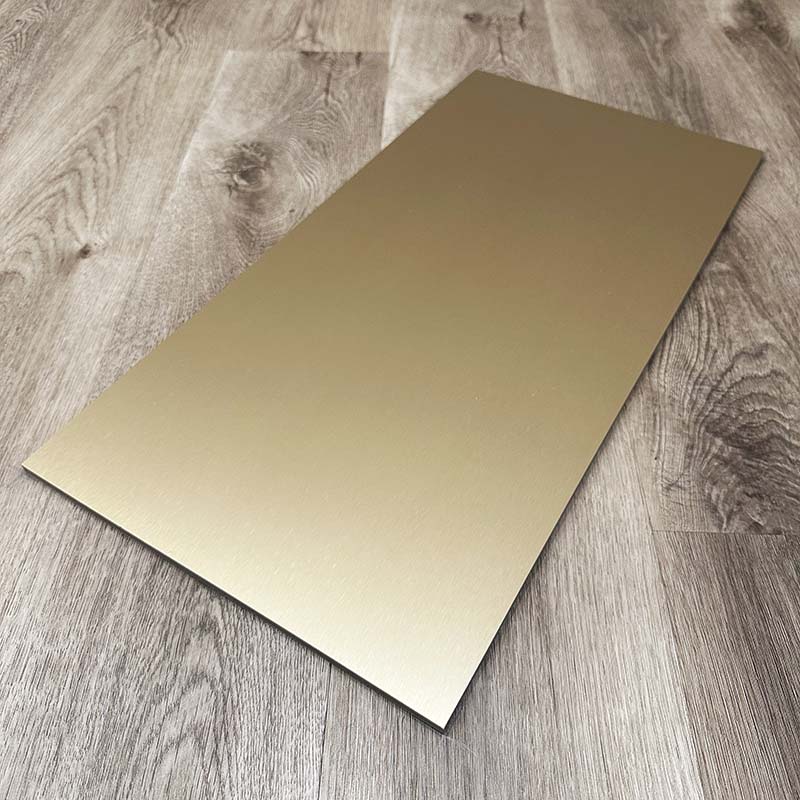
Interior design constantly seeks materials balancing extreme durability and stunning aesthetics. However, a major contradiction exists when evaluating these advanced composites. While the surface of a Carbon Crystal Wall Panel resists scratches, impact, and moisture beautifully, its raw, exposed edges remain highly vulnerable.
Poor edge management creates serious project risks. It invites moisture ingress, causes ugly delamination, and guarantees eventual aesthetic failure. These preventable errors effectively ruin the value of premium interior upgrades. We often see beautiful installations fail prematurely simply because edge protection was ignored.
This guide provides a detailed technical breakdown of proper edge management. You will learn exactly how to handle, cut, seal, and protect panel edges during and after installation. Master these core techniques to ensure your next project achieves flawless, long-term structural integrity.
Key Takeaways
Prevention starts at the cut: Using proper tools (e.g., high-tooth count blades and masking tape) prevents micro-fractures before the panel even hits the wall.
Hardware is mandatory for exposed areas: External corners and terminal edges require dedicated profiles (like aluminum or PVC trims) to absorb physical impact.
Moisture sealing dictates lifespan: Raw substrate edges must be chemically sealed in wet zones to prevent swelling.
Material quality matters: High-density cores (often utilizing bamboo charcoal wall board technology) resist edge crumbling far better than low-density alternatives.
Understanding the Vulnerability: Why Edges Fail
To prevent damage, we must first understand the structural reality of these panels. They feature a composite nature. The highly durable decorative film and crystal protective layer sit squarely on the surface. They do not wrap around the edge. This design inherently leaves the core substrate exposed to the environment.
We classify panel failures into three common points of vulnerability. Recognizing these risks early allows you to adjust your installation strategy.
Common Points of Failure
Transit and handling present the very first risk. Installers frequently drop or drag panels across concrete floors. This action instantly crushes the corners. Once a corner compresses, the surface film loses its structural support and begins to peel.
Improper cutting introduces secondary weaknesses. Using dull or incorrect blades causes heavy tear-out. This leaves jagged, micro-fractured edges behind. These invisible fractures act as stress concentrators, making the panel highly prone to future chipping.
Finally, moisture ingress acts as a slow destroyer. Capillary action draws ambient humidity directly into unsealed seams. The raw substrate absorbs this water, swells, and eventually forces the decorative layer to delaminate.
Below is a summary chart analyzing these edge failure mechanisms.
Failure Mechanism
Root Cause
Visible Result
Corner Crushing
Dropping panels during transit or pivoting them aggressively on hard floors.
Deformed edges and immediate surface peeling.
Blade Tear-Out
Using coarse blades or cutting without surface stabilization tape.
Jagged lines, micro-cracks, and missing finish material.
Moisture Swelling
Leaving raw edges unsealed in high-humidity zones like bathrooms.
Bowed panels, warped seams, and total delamination.
A successful installation requires proactive defense. Edges must be structurally reinforced, chemically sealed, and aesthetically integrated. If you skip any of these three steps, the installation remains at risk.
Pre-Installation Protocols: Cutting and Handling
The majority of edge damage occurs long before the panel reaches the wall. By adopting strict pre-installation protocols, you eliminate the root causes of micro-fractures and surface chipping.
Tool Selection
Never underestimate the importance of your saw blade. Standard wood blades possess too few teeth and tear violently through composite materials. You must specify fine-toothed saw blades for all cuts. Industry standards dictate using an 80+ TPI (Teeth Per Inch) blade for circular saws. Always verify blade sharpness before beginning your work. Avoiding blunt tools is non-negotiable if you want to prevent edge blowout.
The Tape Method
Professional installers utilize the tape method to guarantee flawless edges. This simple technique stops the decorative surface from chipping away from the core. Follow these specific steps to execute it correctly:
Measure and Mark: Measure your required dimensions and lightly mark the panel surface.
Apply Tape: Apply a strip of low-tack painter’s tape directly over your cut line. Press it down firmly.
Remark the Line: Draw your exact cut line heavily onto the painter's tape.
Execute the Cut: Cut directly through the tape. The adhesive holds the decorative surface tight against the core.
Remove Safely: Peel the tape away slowly at a sharp angle to avoid pulling the finish layer.
Handling Risks
Transport considerations play a massive role in edge preservation. We recommend keeping panels completely flat during transport to prevent bowing. When moving them on site, carry them vertically. Carrying panels flat allows them to bounce and flex, which induces severe edge stress. Finally, never rest panels vertically on raw corners. Always set them down softly on flat protective foam or cardboard runners.
Structural Defense: Selecting Edge Trims and Profiles
Leaving edges exposed is never a viable long-term strategy. Even in low-traffic residential areas, incidental impacts happen constantly. Vacuum cleaners, moving furniture, and everyday foot traffic quickly chip unprotected edges. You must deploy physical extrusions to absorb these impacts.
Trim Categories for Protection
Choosing the right trim involves balancing aesthetic desires against expected physical wear. We categorize profiles into several distinct groups.
Aluminum and Metal Profiles: These are strictly recommended for high-impact zones. Commercial spaces and external corners demand metal protection. Designers love them because integrating a metal texture wall panel trim can provide both extreme durability and a premium aesthetic transition. They resist direct strikes without bending or shattering.
Color-Matched PVC Trims: These offer the best solution for seamless visual integration in residential setups. They blend directly into the panel color. While they lack the impact rating of metal, they perform perfectly in low-traffic bedrooms and living spaces.
J-Channels and L-Trims
You must evaluate which profile shapes work best for specific locations. J-Channels completely encapsulate the terminal ends of a panel. They hide cut lines perfectly and prevent moisture penetration. We strongly advise using J-Channels where panel runs terminate against a window frame or door casing.
Conversely, L-Trims excel at 90-degree outward corners. Corner intersections take the heaviest abuse. An overlapping L-Trim shields both adjoining panels simultaneously while creating a sharp, modern corner line.
Implementation Reality
When installing these trims, you must account for structural movement. All composite materials expand and contract based on ambient temperature. Highlight the necessity of leaving a minor expansion gap inside the trim. If you jam the panel tightly against the back of the trim channel, thermal expansion will cause the panel edge to buckle outwards.
Best Practice: Leave a 2mm to 3mm gap inside all terminal channels. This simple buffer ensures the panel can breathe without warping.
Chemical Sealing and Moisture Prevention
Physical hardware protects against physical impact. However, hardware alone cannot stop water vapor. You must deploy chemical sealants to isolate the raw edges completely.
When to Use Sealants
Identify your installation environment carefully. Bathrooms, kitchens, and basements qualify as wet zones. In these areas, physical trims alone are highly insufficient. Capillary action will eventually draw water behind the trim and into the panel core. You must assume moisture will find its way into the seams.
Silicone and Polyurethane Applications
To combat water ingress, detail the process of applying neutral-cure structural silicone. You must apply this sealant to raw edges before inserting them into trims or butting them against other panels.
Always avoid acetoxy silicone. Acetoxy sealants release acetic acid during curing, which can degrade the decorative finish of certain panels. Instead, lay a continuous bead of neutral-cure silicone directly inside the J-channel or along the panel seam. When you press the panel into place, the silicone should squeeze out slightly, ensuring zero voids remain. Wipe away the excess immediately for a clean finish.
Addressing the Core
Material selection heavily influences moisture defense. Panels utilizing a high-quality bamboo charcoal wall board substrate inherently possess better moisture resistance. Their dense, closed-cell structure absorbs far less water than standard foam cores.
However, inherent resistance does not mean waterproof. You still require edge sealing to maintain warranties and meet compliance standards in wet zones. Never skip chemical sealing, regardless of how advanced your core material claims to be.
Evaluating Panel Quality to Minimize Edge Risk (Buyer’s Framework)
Installation techniques only go so far. If you purchase low-quality materials, edge crumbling becomes inevitable. Establishing a strict buyer's framework allows you to filter out inferior products before they ruin your project.
Density Checks
You must physically assess a sample before placing bulk orders. Density directly correlates to edge stability. High-density cores machine cleanly under a saw blade. Low-density cores crumble, flake, and turn to dust when scraped.
Try the thumbnail test. Press your thumbnail hard into the raw edge of a sample. If the material gives way easily or flakes off, the density is too low for commercial application. If it resists your pressure, it will likely survive the cutting process intact.
Adhesion Testing
The bond strength between layers determines long-term viability. You need to check the bond between the carbon crystal surface layer and the core right at the edge. Does it peel easily?
Take a piece of strong duct tape and apply it firmly over the raw edge and top surface. Rip the tape off rapidly. If the decorative film detaches from the core substrate, the manufacturing lamination process failed. Reject these panels immediately.
Shortlisting Logic
When evaluating suppliers, demand rigorous documentation. Request technical data sheets focusing specifically on edge impact resistance. Ask them for their approved list of compatible trims and sealants. Reputable manufacturers always test their panels alongside specific hardware systems. If a supplier cannot recommend a proper sealing system, they do not understand the engineering of their own product.
The chart below outlines key differences between acceptable and unacceptable edge qualities.
Quality Metric
High-Density Premium Core
Low-Density Budget Core
Saw Cut Reaction
Produces clean, sharp lines with zero crumbling.
Tears easily, leaving a jagged and dusty edge.
Adhesion Strength
Film remains fused to the core under high stress.
Film separates easily when scratched or pulled.
Trim Compatibility
Slides smoothly into tight aluminum channels.
Crushes or flakes when forced into tight extrusions.
Next-Step Actions
Do not rely on digital photos to judge structural integrity. We strongly encourage buyers to order sample kits specifically to test cutting and edge durability. Run these samples through your saws. Test your chosen sealants on them. Only commit to a full project order after verifying the material behaves predictably under real-world construction stress.
Conclusion
Edge damage remains a highly preventable issue for modern interior projects. Achieving flawless results simply requires moving away from casual, "peel-and-stick" DIY mentalities. You must embrace professional finishing techniques, correct tooling, and proactive moisture management.
Remember that investing in proper trims, correct fine-toothed saw blades, and high-quality core materials completely protects your total investment. The edges dictate the lifespan of the entire wall assembly. Protect them rigorously.
Ready to upgrade your installation standards? Consult with our technical sales team today. We will help you specify the exact edge trims required for your environment and send you high-density panel samples for testing.
FAQ
Q: Can I leave the edges of carbon crystal wall panels exposed?
A: No. Exposed edges are highly vulnerable to impact chipping, moisture absorption, and rapid aesthetic degradation. They must always be concealed with proper trims or heavily sealed to ensure longevity.
Q: How do I fix a carbon crystal panel edge if it chips during installation?
A: Minor chips can sometimes be concealed using an overlapping L-trim or decorative edge banding. However, severe tear-out compromises the structure. This requires re-cutting the panel entirely to achieve a clean, straight, and stable edge.
Q: Do I need special glue for the edges?
A: While heavy construction adhesive mounts the panel directly to the wall, it does not seal. You should use neutral-cure silicone or specialized seam sealants exclusively on the edges to block moisture ingress.
Q: Are bamboo charcoal cores less prone to edge damage?
A: Yes. High-density bamboo charcoal cores offer superior structural stability. They provide cleaner cuts compared to standard PVC or soft foam cores, which significantly reduces the risk of crumbling and fracturing during installation.
The company was established in 2018 and specializes in new environmentally friendly indoor decorative materials such as SPC flooring, WPC flooring, carbon crystal flooring, wood veneer panels, and carbon crystal wall panels.