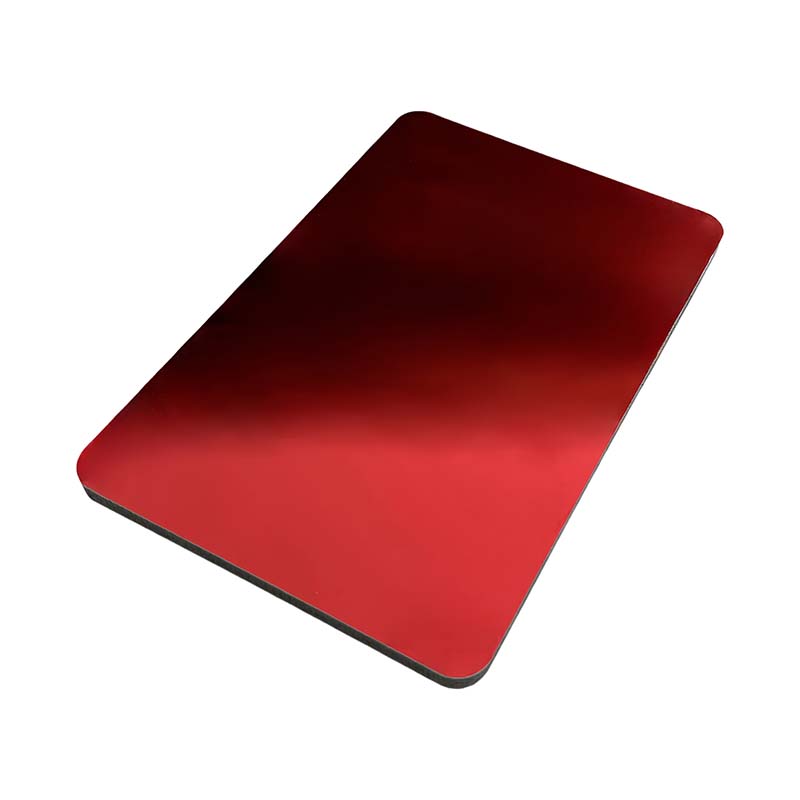
Proper material maintenance goes far beyond basic daily housekeeping. It serves as a vital component of long-term facility management and interior asset preservation. Consistent care directly influences how long your wall treatments maintain their original appeal. Today, many developers choose a Carbon Crystal Board for its engineered durability and impressive moisture resistance. However, improper chemical application or abrasive scrubbing often degrades these specialized finishes prematurely. Harsh solvents can permanently cloud the surface and ruin the design aesthetic.
Establishing a standardized Standard Operating Procedure (SOP) protects your initial investment. It prevents accidental warranty invalidation and ensures lasting structural integrity. In this comprehensive guide, we will outline the exact daily protocols needed. You will learn how to effectively clean different finishes, tackle stubborn stains safely, and keep these advanced architectural panels looking pristine year after year.
Key Takeaways
Non-Porous Advantage: The inherent structure of carbon crystal board requires only mild, pH-neutral cleaning agents; aggressive solvents are unnecessary and potentially damaging.
Finish-Specific Care: High-gloss variations like the Mirror Finished Bamboo Charcoal Veneer Panel require non-abrasive microfiber tools to prevent micro-scratching.
Moisture Tolerance: While highly water-resistant, prolonged exposure to standing water at the unsealed joints should be avoided to maintain structural integrity.
Low Lifecycle Cost: Factoring in the minimal need for specialized commercial cleaning services, the long-term maintenance cost remains significantly lower than traditional wood or drywall.
Understanding the Material Surface: Why Standard Cleaners Fail
To clean a surface effectively, you must understand its physical structure. These modern wall panels feature a highly engineered, non-porous top layer. Unlike natural wood or unpainted drywall, they do not feature microscopic open pores. Liquids cannot seep into the core. Because liquids cannot penetrate, dirt and grime sit strictly on the surface. You do not need deep-penetrating surfactants. Standard heavy-duty cleaners remain entirely redundant. They often do more harm than good.
Chemical Vulnerabilities and Surface Degradation
Many commercial janitorial carts carry highly acidic or highly alkaline solutions. Industrial bleach, heavy ammonia, and raw degreasers fall into this category. These chemicals pose a severe threat to decorative wall panels. They attack the protective UV-cured topcoat. Over time, repeated exposure strips this invisible shield away. Once the UV coating fails, the underlying color profile begins to alter. You will notice accelerated fading, patchy discoloration, or a cloudy haze. We strongly recommend sticking to pH-neutral solutions to preserve the factory finish.
Cleaner Type
Chemical Profile
Effect on Panel Surface
Long-Term Damage Risk
Industrial Bleach
Highly Alkaline
Strips UV coating, causes yellowing
Severe
Ammonia Glass Cleaner
Alkaline Solvent
Creates cloudy haze on gloss finishes
High
Abrasive Scouring Powders
Physical Abrasive
Leaves micro-scratches, ruins reflectivity
Severe
Mild Dish Soap
pH-Neutral
Lifts surface dirt without degrading topcoat
None
Evaluating Wear vs. Actual Damage
Facility managers often confuse surface smudging with structural damage. You must learn how to assess surface wear accurately. If you spot a dark mark, run your fingernail gently over it. Does your nail catch on a physical groove? If so, you have a mechanical scratch or delamination issue. If your nail glides smoothly over the mark, it is merely surface transfer. Surface transfer cleans off easily. Structural damage requires panel repair or replacement. Do not aggressively scrub a physical gouge hoping it will disappear.
Routine Cleaning Protocols for Carbon Crystal Board
Consistency prevents heavy buildup. A standardized routine keeps your panels looking fresh while minimizing labor hours. We recommend implementing a three-step Standard Operating Procedure (SOP) for daily or weekly maintenance. This simple framework prevents accidental damage caused by improper techniques.
The Baseline SOP
Dust Removal: Always start by removing loose particulate matter. Use a dry microfiber mop or cloth. Silica dust acts like microscopic sandpaper. If you skip this step, wiping will drag dirt across the surface, causing tiny scratches.
Damp Wipe: Mix a few drops of pH-neutral detergent into warm water. Dip a clean cloth into the solution. Wring it out thoroughly. The cloth should feel barely damp, not dripping wet. Wipe the panels from top to bottom.
Dry Buffing: Immediately follow up with a fresh, dry cloth. Buffing removes residual moisture. It prevents hard water spots from forming as the surface air-dries.
Recommended Janitorial Tools
Tool selection matters just as much as chemical selection. Synthetic microfiber cloths perform best. They trap dust particles inside their unique fiber structure rather than pushing them around. Soft-bristle brushes work well for heavily textured panels. Rubber squeegees help clear large flat commercial installations quickly.
You must expressly forbid certain tools in your facility manual. Never use steel wool under any circumstances. Avoid abrasive scouring pads entirely. Stiff nylon brushes will destroy the topcoat. These aggressive tools ruin the aesthetic permanently.
Handling Specialized Finishes
Different surface textures demand slightly different approaches. Manufacturers produce these panels in various sheens, ranging from flat matte to high gloss.
Matte and Textured Finishes: These panels feature tiny micro-grooves to simulate wood grain or stone. Dirt often settles inside these microscopic valleys. Focus on lifting the dirt out gently. Apply a mild detergent and use a very soft brush. Brush lightly in the direction of the grain.
Gloss and Mirror Finishes: High-gloss surfaces show every single fingerprint and water streak. When maintaining a Mirror Finished Bamboo Charcoal Veneer Panel, streak-free techniques are critical. Emphasize the use of glass-safe, non-ammonia sprays. Ammonia clouds reflectivity over time. Always spray your cleaner directly onto the microfiber cloth, never directly onto the panel itself. This prevents overspray from dripping down into the baseboards.
Targeted Solutions for Tough Stains and Scuffs
Standard wiping will not remove every blemish. High-traffic commercial areas frequently encounter stubborn marks. You must address these specific stains carefully to avoid pushing chemicals past the protective layer.
Treating Organic Stains
Organic stains include grease splashes, spilled coffee, and accidental ink marks. Do not panic and grab a harsh scouring pad. Instead, use isopropyl alcohol. A safe dilution ratio involves mixing 70% isopropyl alcohol with 30% distilled water. Apply this mixture to a soft cloth and dab the stain.
Understand the concept of "dwell time." Dwell time refers to how long a cleaner sits on the stain. You must allow the mild degreaser to sit for 30 to 60 seconds. This brief pause lets the chemical break the organic bond safely. Once the bond breaks, you can wipe the stain away effortlessly. Proper dwell time completely eliminates the need for aggressive scrubbing.
Removing Mechanical Scuffs
Corridors often suffer from mechanical scuffs. Shoe rubber, luggage bumps, and moving furniture leave dark transfer marks. These are not stains; they are physical deposits of rubber or plastic.
A standard pencil eraser works beautifully for minor rubber transfer. Simply erase the mark as you would pencil lead on paper. For larger scuffs, some janitors prefer melamine sponges (often sold as "magic erasers"). However, you must exercise extreme caution. Melamine acts as a micro-abrasive. It behaves like ultra-fine sandpaper. If you scrub too hard, it will dull the panel's finish. Always test a melamine sponge on a hidden lower corner first. Use minimal pressure.
Damage Control and Realistic Expectations
Facility teams must set realistic expectations regarding maintenance. Cleaning solves surface problems. It does not fix physical trauma. If a heavy cart crashes into the wall, it might create a deep gouge. If a gouge breaches the protective veneer layer entirely, moisture can infiltrate the core.
Cleaning will not fix this type of damage. In fact, applying wet chemicals to an open gouge accelerates core degradation. You must train your staff to recognize this boundary. Outline exactly when they should stop trying to clean a spot and initiate a formal panel replacement protocol instead.
Maintenance Scalability in High-Traffic and Wet Environments
Different physical environments subject walls to different stress factors. A private office requires minimal upkeep. A bustling hospital corridor or a humid commercial kitchen demands a highly adaptive maintenance strategy.
Scaling for Commercial and High-Traffic Zones
Managing hotel lobbies or school hallways requires scalable routines. Cleaning hundreds of linear feet daily takes significant labor. To reduce this ongoing burden, consider architectural prevention. Discuss integrating protective wainscoting or physical barrier rails along the lower half of the walls. These additions absorb luggage impacts and cart bumps. By physically blocking the damage, you drastically reduce the time spent scrubbing away mechanical scuffs.
When cleaning massive areas, train staff to use wide microfiber squeegees. This allows them to apply mild soap and remove it in long, efficient strokes. It cuts cleaning time in half compared to small hand-held cloths.
Navigating Wet Environments
Bathrooms, locker rooms, and commercial kitchens introduce unique challenges. Humidity, soap scum, and hard water stains accumulate rapidly. Calcium buildup from hard water looks like a cloudy, chalky film on the panel surface.
Do not use harsh industrial decalcifiers. They burn the panel's topcoat. Instead, utilize safe, mild acidic solutions. We recommend mixing equal parts white vinegar and warm water. The mild acetic acid gently dissolves the calcium bonds. Spray the vinegar solution, let it dwell for one minute, and wipe it away. Immediately follow this step with a clean water rinse. Rinsing neutralizes the surface pH, ensuring the acid does not sit on the panel indefinitely.
Joint and Seam Care
The panel surface itself boasts excellent waterproof qualities. However, the installation seams require distinct attention. Installers join panels using metal profiles, silicone sealants, or click-lock edges. These tiny gaps create organic traps.
Dust and moisture gather in the seams, creating an ideal breeding ground for mold. You must inspect these joints regularly. Do not aggressively blast seams with water. Instead, use a soft-bristled toothbrush dipped in mild soap to trace the joint lines. Gently agitating the seam removes trapped dust and prevents mold ingress without compromising the internal adhesive.
Conclusion
Maintaining these modern architectural panels does not require expensive chemicals or grueling labor. The entire maintenance philosophy centers on prevention and gentle surface care. Because the material repels liquids naturally, aggressive remediation is rarely necessary. Sticking to mild soaps, proper dwell times, and soft tools guarantees long-lasting visual appeal.
We strongly advise buyers and facility managers to document these guidelines immediately. Do not wait for a maintenance mishap. Update your operational janitorial manuals the day the installation finishes. Clear communication prevents costly staff errors.
Finally, always verify your products before doing a full-scale wash. Prompt your janitorial team to request a material sample. Use this sample to test your existing facility cleaning agents. If you feel unsure about a specific texture, consult with a material specialist to verify the absolute best finish for your specific commercial environment.
FAQ
Q: Can I use a steam cleaner on carbon crystal wall panels?
A: Not recommended. While the board handles ambient heat and daily moisture well, highly concentrated, pressurized steam presents a serious risk. Over time, the intense heat can compromise the internal adhesive layers or loosen the edge banding, leading to premature delamination.
Q: Does a Mirror Finished Bamboo Charcoal Veneer Panel require waxing or polishing?
A: No. The high-gloss finish is permanently factory-sealed. Waxing will actually create a cloudy, sticky buildup on the non-porous surface. Standard streak-free cleaning with mild, glass-safe agents is entirely sufficient to maintain its original reflectivity.
Q: What should I do if a harsh chemical is accidentally spilled on the board?
A: Immediately dilute the spill with excessive amounts of clean, room-temperature water. Wipe the area completely dry with a soft microfiber cloth. Do not let the harsh chemical sit and cure on the surface, as it will rapidly strip the protective UV coating.
The company was established in 2018 and specializes in new environmentally friendly indoor decorative materials such as SPC flooring, WPC flooring, carbon crystal flooring, wood veneer panels, and carbon crystal wall panels.