Modern interior construction is shifting away from traditional drywall and tiles. Designers and builders increasingly favor advanced composite panels for their efficiency. These innovative materials speed up project timelines while delivering impressive visual results.
You often face a specific dilemma during the decision stage of a project. Choosing between the established durability of Stone Plastic Composite (SPC) and the emerging premium performance of the carbon crystal wall panel can be challenging. Both materials offer distinct advantages for modern spaces, but they serve different underlying needs.
This guide provides an objective, spec-by-spec comparison of material composition and installation realities. We will help contractors, designers, and homeowners make a finalized procurement decision. You will learn exactly when and where to deploy each system effectively to achieve your design goals.
Key Takeaways
Material Core: Carbon crystal panels utilize a carbon-infused foam core for enhanced thermal and acoustic insulation, while SPC relies on a dense limestone-plastic core for maximum rigidity.
Best Use Cases: SPC remains the baseline choice for high-moisture utilitarian areas (like standard bathrooms), whereas carbon crystal excels in premium residential and commercial spaces requiring elevated acoustics and high-end finishes.
Installation: Both offer interlocking or direct-to-wall mounting, but carbon crystal panels are generally lighter, reducing labor fatigue on large-scale commercial rollouts.
Design Flexibility: Carbon crystal offers advanced surface versatility, including options like the Metal Texture Carbon Crystal Wall Panel, which SPC struggles to replicate authentically.
Material Composition: Understanding the Structural Differences
The foundation of any wall panel dictates its performance. You must understand what goes into these panels to predict how they will behave over time. Manufacturers engineer these two materials for entirely different structural goals.
First, consider the SPC baseline. SPC stands for Stone Plastic Composite. Manufacturers blend dense limestone powder and PVC stabilizers to create this material. This specific mixture results in exceptional density. It creates a rigid and heavy profile. The high stone content makes it practically impenetrable under normal conditions.
Next, look at the carbon crystal architecture. Manufacturers build the Carbon Crystal Wall Panel differently. They infuse bamboo or wood fibers into a core. They mix this base material along side carbon crystal powder and polyurethane. This specific blend creates a microporous internal structure. It acts more like a dense sponge than a solid rock.
These structural differences directly impact physical outcomes. The heavy, rigid nature of SPC offers raw strength. However, it adds significant weight to the wall assembly. Conversely, carbon crystal offers a lightweight profile. The infused core provides natural insulation. It maintains high dimensional stability without the burden of excessive weight.
Head-to-Head Performance and Durability Evaluation
Moisture and Waterproofing Capabilities
Water resistance often drives material selection in interior design. SPC establishes a 100% waterproof baseline. The limestone and PVC blend simply cannot absorb water. You can submerge SPC completely without damage. This makes it ideal for direct shower paneling and commercial washrooms.
Carbon crystal offers excellent moisture resistance, but it behaves differently. The polyurethane and fiber core repels ambient humidity effectively. It is highly suitable for general bathroom walls or humid basement environments. However, you must implement specific edge-sealing protocols for direct wet-zone applications. Installers must seal cut edges properly. If they leave edges exposed in a direct shower, the inner wood fibers could eventually swell.
Common Mistakes in Wet Zones:
Using standard adhesives instead of waterproof mastics in high-humidity areas.
Failing to apply silicone sealant inside the interlocking joints.
Leaving the bottom edge exposed to standing water on the floor.
Impact Resistance and Dimensional Stability
Durability testing reveals distinct behaviors under stress. SPC exhibits extreme rigidity. It withstands broad impacts easily. However, it has a brittle threshold under extreme point-impact. If a sharp, heavy object strikes it hard, the panel might crack or chip.
Carbon crystal cores demonstrate slight compressive resilience. The microporous structure can absorb minor shocks. It diffuses the impact energy better than solid limestone. This prevents cracking, though it might leave a slight dent under extreme force.
Temperature fluctuations also test these materials. SPC expands and contracts slightly in variable temperature environments. You must leave expansion gaps during installation. Carbon crystal maintains better dimensional stability across broad temperature ranges. The carbon infusion limits thermal expansion, allowing for tighter joint installations.
Thermal Insulation and Acoustic Dampening
Wall panels can actively improve room comfort. Carbon crystal holds a distinct advantage in this category. The microporous core structure traps air naturally. This provides a measurable R-value advantage for thermal insulation. It helps keep rooms warmer in winter and cooler in summer.
Furthermore, it excels at sound absorption. The core breaks up sound waves effectively. It reduces echo in large commercial spaces. SPC lacks these inherent thermal or acoustic benefits. A solid limestone core transmits sound and temperature readily. You will need secondary acoustic underlayments to achieve similar results using SPC.
Aesthetic Versatility and Premium Finishes
Designers demand high visual fidelity from modern composites. Comparing the visual lenses of both materials reveals different manufacturing approaches. SPC typically relies on standard printed vinyl films. Manufacturers apply a clear wear layer over a printed pattern. This works well for basic wood or stone looks, but it lacks visual depth.
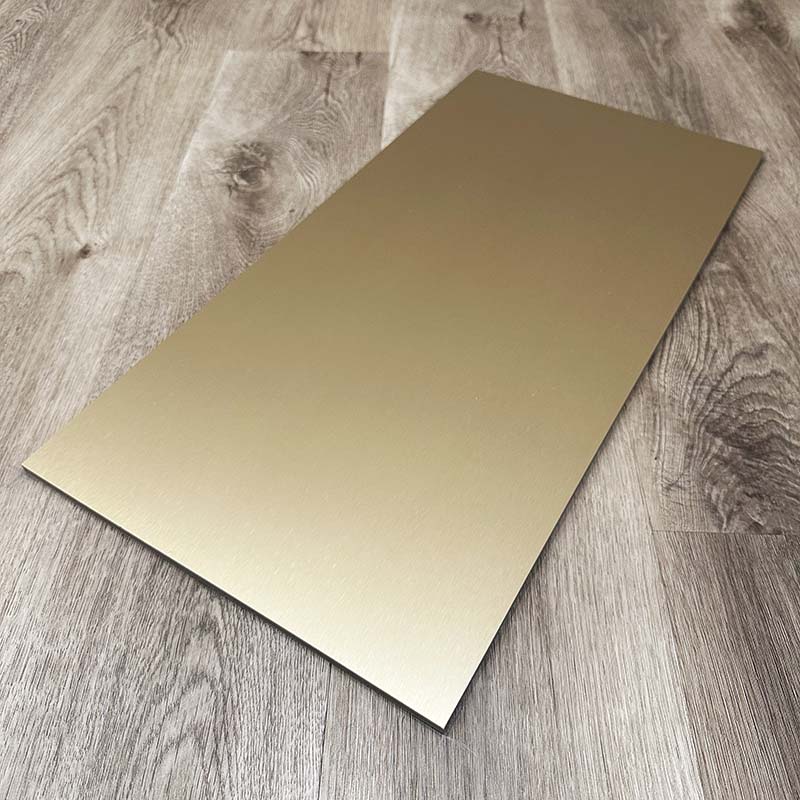
Carbon crystal utilizes co-extruded or laminated surfaces. This process allows for deeper texturing and light reflection. The demand for industrial and contemporary aesthetics is rising rapidly. Designers frequently specify the Metal Texture Carbon Crystal Wall Panel to meet this need.
This specific solution achieves an authentic metallic look. It provides the visual impact of brushed steel or copper. Importantly, it avoids the weight, high procurement costs, or oxidation risks of real metal. Achieving this level of authentic metallic finish is notoriously difficult on standard SPC. The vinyl films on SPC often look artificial under harsh lighting.
Finally, consider seam and joint integration. Both systems handle visible seams differently. You can install them using V-grooves, seamless interlocking mechanisms, or metallic trim profiles. Carbon crystal often accommodates designer trim profiles better due to its thicker edge profile. This allows for bold architectural lines between panels.
Implementation Realities and Installation Risks
Real-world installation dictates project success. Substrate preparation is your first major hurdle. Wall prep requirements differ significantly between the two options. SPC is thin and highly rigid. It tends to telegraph wall imperfections. If your wall has a bulge, the SPC panel might not sit flush.
Carbon crystal features a thicker profile. This added thickness bridges minor wall imperfections easily. You can install it over slightly uneven walls without extensive plastering. This saves substantial labor hours during the prep phase.
Cutting and fabrication also present distinct challenges. Compare the tooling required for each material. SPC can blunt standard saw blades quickly. The high limestone content creates abrasive dust. You need specialized blades and heavy-duty scoring tools. Conversely, carbon crystal panels are generally easier to cut. Installers can router them on-site using standard woodworking tools. This speeds up the fabrication of complex corners and outlets.
Adhesives and fastening methods vary as well. Both panels require specific mastics or mechanical clip systems. SPC often relies purely on heavy-duty construction adhesive. The heavy weight requires immediate grab adhesives to prevent sliding. Carbon crystal often utilizes concealed mechanical clips along the tongue and groove edges. These clips secure the lightweight panels quickly. This mechanical system highlights significant labor time differences, favoring the lighter carbon panels.
Acknowledging Limitations: When Not to Use Each Panel
Every building material has limitations. Recognizing these boundaries prevents costly failures. We must evaluate the drawbacks objectively.
SPC drawbacks revolve heavily around weight and density. The heavy shipping weight increases freight costs significantly. Installers find them difficult to handle on ceilings or high walls. Lifting dense limestone panels overhead induces rapid labor fatigue. Additionally, SPC feels cold to the touch. It lacks the warmth desired in residential bedrooms. Finally, the potential for telegraphing wall imperfections requires pristine drywall underneath.
Carbon crystal drawbacks focus mostly on industrial limitations. They generally command a higher initial material cost. While highly durable for daily use, they have a slight vulnerability to deep gouges. If a forklift strikes the panel in a heavy-industrial traffic zone, it can expose the inner core. You should not specify these panels for warehouse loading docks. They belong in premium commercial or residential spaces.
Decision Framework: Shortlisting the Right Panel for Your Project
Making the final choice requires aligning material specs with project goals. We structured this decision framework to simplify your procurement process.
Choose SPC if your project parameters are strict. It works best when the project is purely budget-driven. You should use it primarily for heavy-duty wet areas. Commercial kitchens, public shower enclosures, and utility rooms benefit from its waterproof density. In these spaces, thermal and acoustic insulation is usually not a priority.
Choose a carbon crystal panel if your project demands premium outcomes. It excels when the design requires premium aesthetics. Complex wood textures and industrial metal finishes look vastly superior on this material. You should specify it when you need improved room acoustics and thermal comfort. The easier large-format handling speeds up high-rise installations. Ultimately, it delivers a higher overall perceived value for residential or high-end commercial interiors.
Feature / Metric
SPC Wall Panel
Carbon Crystal Wall Panel
Core Material
Limestone and PVC blend
Carbon-infused wood/bamboo fiber
Weight
Heavy and dense
Lightweight and manageable
Waterproofing
100% waterproof baseline
Highly moisture-proof (requires edge seal)
Acoustic Insulation
Poor (transmits sound)
Excellent (absorbs sound)
Cutting Difficulty
High (blunts standard blades)
Low (cuts like dense wood)
Conclusion
Final Verdict: Neither panel is universally superior across all scenarios. Your final choice hinges directly on the specific functional requirements and design aspirations of the space.
Strategic Application: Deploy SPC in utilitarian wet zones. Reserve carbon crystal for visually demanding, acoustically sensitive environments where aesthetic impact matters most.
Risk Mitigation: We advise you to request physical samples before committing to a bulk order. Test the structural rigidity, finish quality, and panel weight firsthand.
Actionable Next Steps: Prompt your procurement team to contact our engineering department. We can discuss your specific blueprint, provide a customized quote, or ship sample kits featuring premium metallic finishes.
FAQ
Q: Are carbon crystal wall panels completely waterproof like SPC?
A: They are highly moisture-resistant, but they differ from SPC. SPC is 100% waterproof for direct water submersion. Carbon crystal handles ambient humidity flawlessly. However, if you install them in direct wet zones like showers, you must seal the cut edges thoroughly to prevent core swelling.
Q: Is it cheaper to install SPC or carbon crystal panels?
A: The raw material for SPC is often cheaper. However, carbon crystal can reduce overall installation expenses. Installers cut carbon panels faster on-site. The lighter weight speeds up handling and reduces labor hours, balancing out the final installation budget.
Q: Can either panel be installed directly over existing tiles?
A: Yes, you can install both materials directly over existing tiles. Ensure the old tiles are secure and flat. You will need strong polyurethane construction adhesives. For carbon panels, installers often combine adhesive with mechanical clips fastened into the grout lines.
Q: Do carbon crystal panels emit VOCs?
A: Legitimate carbon crystal manufacturing prioritizes safety. These panels are typically formaldehyde-free and eco-friendly. The extrusion process does not rely on toxic glues. Always verify that your supplier provides updated compliance certifications for indoor air quality.
The company was established in 2018 and specializes in new environmentally friendly indoor decorative materials such as SPC flooring, WPC flooring, carbon crystal flooring, wood veneer panels, and carbon crystal wall panels.