Designing sun-drenched commercial and residential spaces presents a unique aesthetic challenge. Bright environments often look stunning initially but slowly degrade interior materials over time. Installing wall panels in areas like south-facing living rooms, lobbies, or commercial atriums carries a long-term risk. Premature fading forces early replacements, disrupting operations and ruining aesthetic consistency.
While manufacturers often claim their interior cladding is "fade-proof," you must face the skeptic's reality. No synthetic or natural material completely resists ultraviolet (UV) radiation forever. Exaggerated marketing claims often obscure the actual material limitations of interior products.
You need to separate marketing myths from reliable material science. This guide defines the actual UV tolerance of these panels and explores how protective layers function. Read on for a practical procurement framework. You will learn how to specify and select panels built specifically for high-exposure environments.
Key Takeaways
Carbon crystal wall panels are highly fade-resistant, but not eternally fade-proof under extreme, unmitigated direct sunlight.
Resistance relies entirely on the quality of the top transparent wear layer and applied UV-cured coatings, not the carbon/bamboo core.
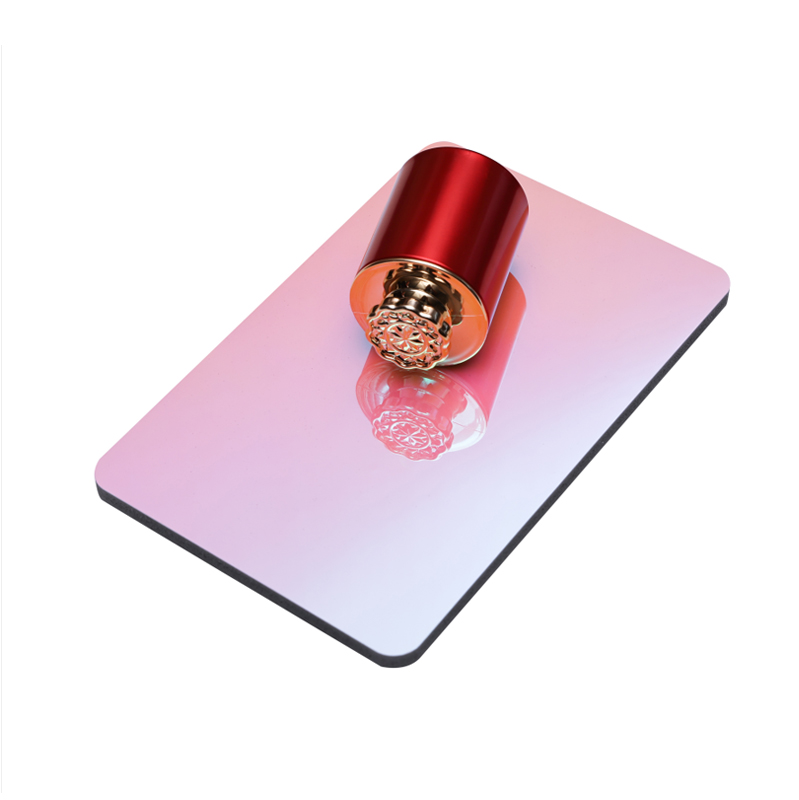
High-gloss variants, such as the Mirror Surface WPC Bamboo Charcoal Panel, require specialized anti-yellowing topcoats to maintain clarity.
Fading (pigment loss) and chalking (resin breakdown) are different failure modes; proper specification prevents both.
Mitigation strategies (like Low-E window glass) are essential for maximizing the lifespan of any interior paneling in direct sun paths.
1. The Reality of UV Exposure on Carbon Crystal Wall Panels
Direct sunlight behaves as a relentless force against interior decor. To understand how sunlight damages interior finishes, we must examine the mechanics of photo-degradation. Sunlight consists of visible light, infrared heat, and ultraviolet radiation. UV radiation acts as the primary culprit behind material aging.
The Mechanics of Photo-Degradation
Ultraviolet light divides into UVA and UVB rays. UVA rays penetrate deep into materials, driving long-term photo-chemical aging. UVB rays carry higher energy levels and cause immediate surface damage. When UVA and UVB rays strike a carbon crystal wall panel, they bombard its molecular structure.
This continuous bombardment breaks down the chemical bonds found in decorative films and polymer resins. Over time, these broken bonds lead to pigment destruction. The vibrant colors begin to lose their intensity. You will notice the visual sharpness of the printed pattern slowly degrading.
Base Core vs. Surface Layer
Buyers often confuse the structural integrity of a panel with its visual durability. We must clarify this distinction. The structural core of these panels consists of carbon crystal and bamboo charcoal materials. This core is exceptionally stable. It does not fade, rot, or degrade from sunlight exposure.
However, the core is not what you see. Sunlight targets the exterior layers. The vulnerable components include the printed decorative PVC film and the protective clear coat covering it. UV rays attack these topmost synthetic layers, entirely ignoring the dense core underneath.
Realistic Expectations
Industry marketing frequently pushes exaggerated "100% UV-proof" claims. You must reject this impossible standard. Instead, aim for the realistic standard of "long-term colorfastness."
A well-manufactured panel manages UV exposure efficiently. High-quality panels will not show noticeable fading for 10–15 years in typical indoor environments. Occasional sunlight passing through standard windows will not ruin them quickly. If you set realistic expectations, you can plan your interior designs with confidence.
2. Anatomy of Fade Resistance: How High-Grade Panels Are Engineered
Fade resistance does not happen by accident. Manufacturers engineer it directly into the surface layers of the panel. Understanding this anatomy helps you evaluate different products accurately.
The UV Protective Coating
The uppermost layer dictates the panel's lifespan in sunny rooms. This layer consists of a UV-cured lacquer. It acts exactly like a heavy-duty sunscreen for the decorative film below.
Premium panels feature thicker, evenly applied UV layers. These lacquers contain specialized photo-stabilizers and UV absorbers. They intercept harmful radiation before it reaches the vulnerable printed pattern. If a manufacturer skips this step or applies a thin coat, the panel will age prematurely.
Decorative Film Quality
Beneath the clear coat lies the decorative film. This layer gives the panel its wood grain, marble, or solid color appearance. High-end panels use premium inks holding high colorfastness ratings. These premium inks resist pigment breakdown exceptionally well.
Conversely, cheap panels rely on highly fugitive dyes. Fugitive dyes react poorly to sunlight and lose their chemical structure rapidly. Even a good topcoat cannot save a cheap dye from eventual fading.
The Mirror Surface WPC Bamboo Charcoal Panel Variant
High-gloss and mirror finishes introduce unique challenges. These reflective surfaces look incredibly luxurious. Designers love using them for striking modern interiors. However, they demand precise chemical engineering.
The Risk: Mirror surfaces are highly prone to visible "yellowing." This refers to polymer degradation rather than just pigment fading. Clear resins can oxidize and turn yellow when exposed to intense UV rays.
The Solution: You must evaluate the specific anti-yellowing resin additives used during manufacturing. A genuine Mirror Surface WPC Bamboo Charcoal Panel integrates advanced aliphatic polyurethanes. These specific compounds resist oxidation and maintain crystal-clear transparency for years.
Premium vs. Standard Surface Engineering
Component
Standard Panels
Premium UV-Resistant Panels
Topcoat Lacquer
Thin standard polyurethane
Thick UV-cured aliphatic lacquer
UV Additives
None or minimal
High concentration of UV absorbers
Decorative Inks
Fugitive dyes (low colorfastness)
Premium pigments (high colorfastness)
Gloss Maintenance
Prone to yellowing in direct sun
Anti-yellowing agents included
3. Fading vs. Chalking vs. Yellowing: Evaluating Material Failure
When assessing sun damage, people often use the word "fading" as a catch-all term. However, sunlight causes three distinct types of material failure. Knowing the difference helps you diagnose issues and specify better materials.
Fading (Color Loss)
Fading represents the lightening of the decorative pattern. It occurs due to UV-induced pigment destruction. Dark wood grains may turn into washed-out brown hues. Solid colors lose their vibrancy. Fading strictly affects the ink layer beneath the protective coating.
Chalking (Resin Breakdown)
Chalking looks like a powdery residue forming on the panel surface. It happens when the polymer binder degrades under extreme heat and UV exposure. The plastic matrix essentially breaks apart at a microscopic level.
While chalking remains rare indoors, it frequently occurs in cheap plastics placed in sunrooms or vestibules. If you wipe your hand across a sun-baked panel and gather white dust, you are witnessing chalking.
Yellowing (Discoloration)
Yellowing marks the shift of clear protective layers to a yellowish tint over time. This chemical reaction plagues clear resins and epoxies. It becomes particularly noticeable on white or light-colored marble-patterned panels. The underlying white design may remain intact, but the yellowed topcoat ruins the aesthetic.
The Decision Lens
Knowing which failure mode affects which finish helps buyers ask targeted technical questions.
If you specify dark wood designs, ask suppliers about pigment colorfastness to prevent fading.
If you specify high-gloss white marble, demand data on anti-oxidizing topcoats to prevent yellowing.
If installing panels in heavily heated atriums, inquire about resin stability to prevent chalking.
4. Implementation Considerations: Assessing Your Sun-Exposure Risk
Selecting the right Carbon Crystal Wall Panel is only half the battle. You must also evaluate the environment where they will live. Assessing your architectural sun-exposure risk ensures you do not place great materials in impossible situations.
Orientation and Architecture
First, identify your high-risk zones. The path of the sun dictates the danger level for interior walls. South-facing and West-facing windows allow intense, prolonged afternoon sunlight to flood interior spaces.
Pay close attention to skylights, floor-to-ceiling glass facades, and unshaded commercial lobbies. Panels installed in these zones require maximum UV protection specifications. Hallways, basements, and North-facing rooms pose almost zero UV risk.
Window Glazing (The First Line of Defense)
You should never rely entirely on the wall panel's topcoat. Window glazing serves as your first and best line of defense. Standard clear glass blocks very little UV radiation.
You must implement architectural shielding. Low-E (low-emissivity) glass blocks a significant portion of harmful UV rays while letting visible light pass. UV-blocking window films offer a retrofit solution for existing glass. Architectural shading, like exterior louvers or interior solar blinds, drastically reduces the UV load hitting the wall panels. Protecting the panels at the glass level extends their lifespan indefinitely.
Thermal Expansion Risks
Direct sunlight doesn't just cause fading; it causes localized heat buildup. Darker panels absorb massive amounts of infrared heat. This heat causes the polymer components to expand.
You must consider thermal expansion risks during installation. If installers place panels tightly against each other in a sun-heated spot, the expanding material has nowhere to go. This inevitably leads to buckling, warping, or popping seams. Always leave proper expansion gaps according to the manufacturer's heated-environment guidelines.
5. Shortlisting Criteria: How to Specify UV-Resistant Wall Panels
You cannot determine UV resistance simply by looking at a sample. Evaluating long-term durability requires a structured shortlisting process. Use these strict criteria to hold manufacturers accountable.
Request Technical Data
Never accept verbal assurances. Ask manufacturers for specific UV-resistance testing reports. Reputable factories utilize Xenon arc lamp testing. This equipment simulates years of sunlight exposure in a matter of weeks.
You should also look for ISO or ASTM colorfastness standards. Specifically, ask for a "Delta E" rating. This metric quantifies the exact amount of color shift a panel undergoes during accelerated testing. A lower Delta E number means better fade resistance.
Evaluate the Wear Layer
The clear protective coat directly impacts longevity. Evaluate the wear layer thickness carefully. Manufacturers measure this thickness in millimeters (mm) or mils.
Thicker wear layers generally accommodate more robust UV-blocking additives. A 0.5mm wear layer provides vastly superior protection compared to a flimsy 0.1mm layer. Always request the wear layer specifications before purchasing.
Scrutinize the Warranty
Look past the bold print on the marketing brochure. You must check the warranty’s fine print. Many warranties contain clauses detailing acceptable "color shift" over time. They might define a 10% fade as normal wear and tear.
Determine exactly what constitutes covered premature fading. Does the warranty cover yellowing on glossy finishes? Does it mandate specific window treatments? Knowing these details protects your investment.
Sample Testing
When in doubt, conduct your own field test. Order several samples from competing suppliers. We highly recommend leaving a sample in direct outdoor sunlight for 30 days. Keep an identical control sample tucked away in a dark drawer.
After a month, place them side by side. Inferior products will reveal noticeable fading or yellowing very quickly. This simple DIY test effectively weeds out cheap manufacturing before you commit to a massive order.
UV Evaluation Checklist
Evaluation Step
What to Look For
Red Flags
Lab Testing
Xenon arc test results, ISO colorfastness data
"Trust us" guarantees, lack of lab data
Wear Layer
0.3mm to 0.5mm+ thickness
Less than 0.2mm, uneven glossy patches
Warranty Terms
Clear definitions of unacceptable fading
Excludes sun-facing installations entirely
Field Testing
Passes the 30-day outdoor exposure test
Yellows or chalks within weeks outdoors
Conclusion
Direct sunlight will eventually impact any interior material. No product defies physics entirely. However, a properly specified carbon crystal wall panel offers superior fade resistance compared to traditional stained wood or cheap printed PVC. By understanding how UV rays interact with clear topcoats and decorative inks, you can confidently specify durable finishes for bright environments.
As you plan your next interior project, prioritize panel construction. Scrutinize the UV topcoat thickness and demand technical colorfastness data. Finally, audit your building's window UV transmission before finalizing a large commercial or residential order. Shielding your interior through smart glass choices and selecting high-grade panels guarantees a vibrant space for decades.
FAQ
Q: Can carbon crystal wall panels be used outdoors?
A: No. They are strictly for interior use. Outdoor UV levels will rapidly degrade the decorative film and void warranties. The intense combination of exterior sunlight, rain, and temperature swings exceeds their engineered capacity.
Q: Does cleaning my wall panels affect their UV resistance?
A: Yes. Using harsh abrasives or solvent-based cleaners can strip the factory UV coating, accelerating sun damage. You must always use pH-neutral cleaners and soft microfiber cloths to preserve the protective clear coat.
Q: Is a matte finish more fade-resistant than a glossy finish?
A: Technically, they fade at similar rates. However, a glossy Mirror Surface WPC Bamboo Charcoal Panel makes surface yellowing and micro-scratches from UV degradation much more visible than a matte texture. Matte finishes tend to hide minor aging better over time.
The company was established in 2018 and specializes in new environmentally friendly indoor decorative materials such as SPC flooring, WPC flooring, carbon crystal flooring, wood veneer panels, and carbon crystal wall panels.