Fluted wall panels have become a favorite among homeowners and DIY enthusiasts alike. Their distinctive vertical grooves add architectural texture and sophistication to any space, but their appeal goes beyond just walls. With their versatility and ease of installation, fluted panels offer countless creative opportunities for do-it-yourself projects—from accent walls to furniture upgrades and custom decor pieces.
This guide will walk you through simple installation techniques, creative ways to use fluted panels in your DIY projects, tips on safe cutting and edge finishing, and ideas for accessorizing and customizing your panels. Plus, you’ll find recommendations on tools and materials to help you get started confidently. Whether you’re a beginner or an experienced maker, this article will inspire and equip you to bring beautiful fluted designs into your home with your own hands.
1.Simple Installation Tutorial for DIYers
Before diving into creative applications, mastering the basics of installing fluted wall panels is essential. Fortunately, many fluted panels are designed with DIY-friendliness in mind, enabling a smooth and satisfying project even for novices.
1.1 Preparing Your Workspace
Measure Twice, Cut Once: Carefully measure your wall area and mark the panels accordingly before cutting.
Gather Tools: You will need a tape measure, pencil, level, saw (circular or hand saw), construction adhesive, finishing nails or screws, and safety gear (goggles, gloves).
1.2 Installation Methods
Adhesive Application: Apply a strong, panel-compatible adhesive evenly on the back of each panel. Press firmly against the wall, holding it in place briefly to ensure bonding.
Mechanical Fixing: For added stability, especially on textured or uneven walls, use finishing nails or screws alongside adhesive. Make sure to countersink nails and cover heads with filler for a seamless look.
1.3 Orientation and Spacing
Vertical Installation: Most common, enhances ceiling height visually.
Horizontal Installation: Great for wider spaces and modern looks.
Spacing: Fluted panels usually fit tightly, but check manufacturer recommendations if expansion gaps are necessary.
1.4 Finishing Touches
Use corner trims or edge mouldings to frame panels and cover raw edges.
Caulk any small gaps for a polished finish.
With careful preparation and patience, installing fluted wall panels yourself is a highly rewarding project that can refresh any room quickly.
2.Creative DIY Uses Beyond Walls
Fluted panels don’t have to be limited to wall coverings. Their unique texture and clean lines make them excellent materials for numerous creative projects around the home.
2.1 Custom Furniture Makeovers
Cabinet and Drawer Fronts: Attach fluted panels to plain furniture fronts for an instant style upgrade. This works beautifully on kitchen cabinets, bathroom vanities, or storage chests.
Table and Desk Panels: Use fluted panels on the sides or backs of tables and desks to add architectural interest.
Headboards: Build or cover headboards with fluted panels for a chic bedroom centerpiece.
2.2 Lighting and Backdrops
Lamp Bases and Shades: Cover lamp bases with small fluted panel sections or create geometric lampshades to cast patterned shadows.
TV or Fireplace Backdrops: Frame media areas or fireplaces with fluted panels to create stylish focal points that add warmth and texture.
2.3 Decorative Frames and Wall Art
Picture Frames: Craft custom fluted frame borders for mirrors or artwork, giving pieces a tactile, designer feel.
Accent Wall Art: Cut panels into geometric shapes and arrange them artistically on canvas or directly on walls for modern, dimensional art installations.
These projects allow you to experiment with scale and texture, using fluted panels to refresh furniture and decor with a minimal investment.
3.How to Safely Cut and Finish Panel Edges
Proper cutting and edge treatment are crucial for neat-looking results and safe handling during DIY projects. Fluted panels can be made from MDF, PVC, or composite materials, each requiring slightly different approaches.
3.1 Cutting Tips
Tools: Use a fine-toothed circular saw or table saw for clean, smooth cuts. A jigsaw works well for curves or intricate shapes.
Safety Gear: Always wear safety goggles, dust masks, and gloves to protect against dust and sharp edges.
Secure the Panel: Clamp panels firmly to a stable surface before cutting to avoid slips and uneven edges.
Cutting Direction: Cut from the finished side downward to reduce chipping or splintering.
3.2 Handling and Finishing Edges
Sanding: Lightly sand cut edges with fine-grit sandpaper to smooth roughness and prevent splinters.
Edge Banding: For MDF or wood panels, apply edge banding tape to conceal raw edges, available in wood grain or matching colors.
Sealing: Apply a matching paint or sealant to exposed edges, especially for panels used in moisture-prone areas.
Protective Trim: Use corner mouldings or metal trims to finish edges, especially in furniture or high-traffic areas.
Taking these steps ensures your DIY fluted projects look professional and remain durable over time.
4.Pairing Accessories and Inspiring Custom Creations
Adding accessories and mixing materials can elevate your fluted panel projects from simple to stunning.
4.1 Accessory Ideas
LED Strip Lighting: Install LED strips along panel grooves or behind panels to create dramatic shadow effects and ambient lighting.
Metal Accents: Combine fluted panels with brass or black metal trims for a modern industrial look.
Contrasting Paint: Paint panels in a bold color and frame with neutral trims to make the texture pop.
4.2 Customization Inspiration
Two-Tone Panels: Alternate colors or materials (wood and PVC) for visual contrast and depth.
Mixed Profiles: Combine vertical fluted panels with wave or chevron patterns for dynamic walls or furniture fronts.
Functional Decor: Incorporate hooks, shelves, or bulletin boards into fluted panel installations for multifunctional art walls or entryway organizers.
DIYers often find that experimenting with layering and pairing materials unlocks endless creative possibilities.
5.Recommended DIY Tools and Material Sources
Having the right tools and materials simplifies your fluted panel projects and improves results.
5.1 Essential Tools
Circular saw or table saw with fine-tooth blades
Measuring tape, pencil, and level
Power drill and screwdriver set
Clamps for securing panels
Safety equipment: goggles, gloves, dust mask
Caulking gun and finishing nails
5.2 Materials
Quality fluted wall panels (consider PVC or MDF for ease of handling)
Construction adhesive suited to panel material
Edge banding tape and trim mouldings
Paints, primers, and sealants for finishing
5.3 Where to Buy
Local hardware stores: Good for basic tools and common adhesives.
Specialty woodworking suppliers: For premium saw blades and sanding supplies.
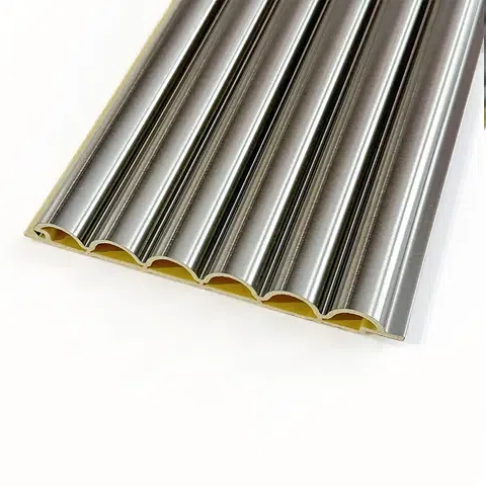
Direct from manufacturers: Guangdong Kaxier Wall Panel Factory offers factory-direct fluted panels with customization options, reliable delivery, and technical support ideal for DIYers looking for quality products at competitive prices.
Ordering from reputable manufacturers ensures you get panels that fit precisely, have consistent finishes, and come with expert guidance if needed.
6.Conclusion
Fluted wall panels offer an exciting and approachable material for DIY home projects. Whether you want to refresh your walls, upgrade furniture, or create unique decorative pieces, fluted panels provide texture, style, and versatility. By following simple installation steps, practicing safe cutting and edge finishing, and exploring creative customization, you can transform your living space with professional-looking results.
Armed with the right tools and sourced from trusted suppliers like Guangdong Kaxier Wall Panel Factory, your DIY fluted projects can become a rewarding way to personalize your home with elegance and lasting quality.
Start your DIY journey today and discover the endless possibilities that fluted wall panels bring to your creativity and home design!


