Sourcing wall panels at scale amplifies both ROI and project risk. Commercial buyers face incredibly high stakes when coordinating large-volume material deliveries. You expect seamless execution across your entire supply chain. Unfortunately, inconsistent batch quality easily leads to severe installation delays. You might encounter sudden compliance failures or blown budgets when components fail basic field tests. A minor manufacturing defect exponentially ruins project timelines. We wrote this guide to solve these exact procurement bottlenecks. Below, we provide a technical, objective evaluation framework. You will learn how to properly vet commercial suppliers before authorizing a high-volume purchase order. Following these strict guidelines ensures you protect your margins and secure highly reliable materials.
Key Takeaways
Verify substrate density and material composition to ensure structural stability and moisture resistance.
Require certified, verifiable fire-rating documentation rather than accepting marketing claims.
Test surface adhesion on premium finishes (like metal textures) to prevent long-term delamination.
Audit the supplier’s packaging and logistics protocols to calculate true landed costs and minimize freight damage.
Implement a rigid 4-step physical sample testing phase prior to finalizing bulk contracts.
Micro-variations in material dimensions create massive headaches on job sites. A single millimeter discrepancy in panel thickness exponentializes labor costs across large-scale commercial projects. Multi-family housing developments suffer deeply when edge locking mechanisms fail to align properly. Installers waste expensive labor hours manually shaving down edges. They struggle to force incompatible joints together. This wasted time quickly destroys your projected profit margins. Consistent manufacturing across every single batch remains absolutely crucial for project success.
You must establish strict millimeter tolerances before signing any procurement contract. Commercial applications demand extreme precision. We recommend setting hard limits for thickness, width, and length. Acceptable tolerances depend on the specific installation environment. However, baseline standards exist across the industry. Refer to the standard measurement parameters below when drafting your supplier agreements.
Measurement Parameter
Acceptable Tolerance (mm)
Direct Impact on Installation
Thickness
± 0.2 mm
Joint flushness and surface smoothness
Width
± 1.0 mm
Vertical pattern alignment and locking integrity
Length
± 1.5 mm
Ceiling and baseboard gap management
Aesthetic uniformity carries equal importance for commercial spaces. You risk severe dye-lot variations across different manufacturing runs. A hallway featuring panels from two mismatched batches looks unprofessional. Customers easily spot slight color shifting under bright commercial lighting. You must contractually guarantee uniform color matching. Require your manufacturer to produce the entire order from a single pigment batch. Request physical control samples from the actual production line before they ship the containers.
Evaluating the Core Substrate: Durability, Fire, and Water Ratings
Understanding substrate density helps you separate premium products from cheap alternatives. A true Carbon Crystal Wall Panel utilizes a blend of bamboo charcoal fiber and specialized structural resins. This composition provides exceptional rigidity and impact resistance. Many unreliable suppliers use cheap PVC fillers to lower their manufacturing costs. These heavily diluted boards feel unnaturally lightweight. They warp easily under moderate heat exposure. You should always weigh physical samples to verify substrate density. High-density cores resist denting in high-traffic corridors.
Moisture and waterproof verification requires active physical testing. Do not blindly trust manufacturer marketing claims. You need to physically verify these capabilities before placing bulk orders. Perform prolonged submersion tests on your samples. Cut a panel in half to expose the raw core. Submerge the exposed edge in a bucket of water for at least 48 hours. Remove the panel and measure the edge for any swelling or delamination. A high-quality substrate will show zero dimensional expansion.
These waterproof capabilities carry massive implications for wet-zone installations. Commercial bathrooms require zero-permeability materials. Basement fit-outs constantly battle high ambient humidity. If the substrate absorbs moisture, mold will develop behind the walls. Your evaluation process must ensure complete moisture resistance to prevent future structural liabilities.
Fire-proof compliance forms the backbone of commercial building safety. Building inspectors will halt your project if materials lack proper certifications. You must differentiate between actual fire ratings and unverified factory claims.
Verify Class Ratings: Understand the difference between Class A and Class B1 fire ratings. Class A provides the highest level of fire resistance.
Request Third-Party Certificates: Ask for official lab testing certificates. Rely on globally recognized testing bodies like SGS or Intertek.
Check Regional Validity: Ensure the provided certificates meet your specific geographical building codes. A certification valid in Asia might not pass North American safety standards.
Cross-Reference Certificate Numbers: Contact the issuing laboratory directly. Give them the certificate number to confirm its authenticity.
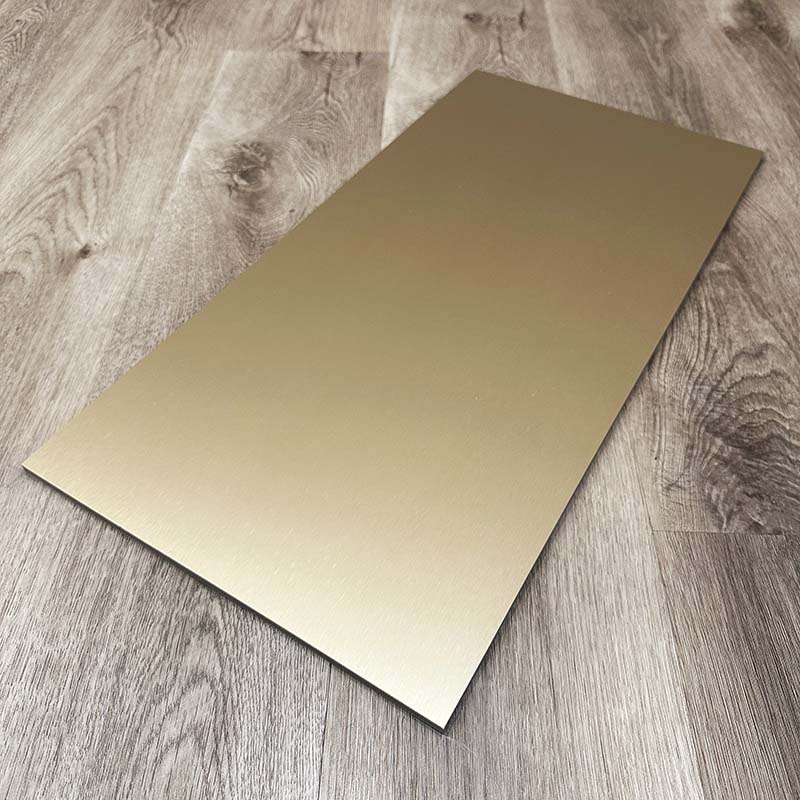
Inspecting Premium Finishes: The Metal Texture Carbon Crystal Wall Panel
Lamination quality dictates the lifespan of decorative finishes. Manufacturers apply complex films to the substrate using industrial bonding agents. You must carefully evaluate this bonding process. A Metal Texture Carbon Crystal Wall Panel requires exceptional adhesive strength. The metallic film possesses different thermal expansion properties than the core board. If the factory uses cheap glue, the layers will eventually separate. Ask your supplier about their specific lamination machinery. High-pressure hot melt polyurethane (PUR) adhesives typically yield the best long-term results.
Delamination risks pose a significant threat to long-term aesthetics. Temperature fluctuations commonly cause peeling. Poor factory pressing also traps micro-air bubbles beneath the surface film. You can easily test for these vulnerabilities using a standard heat gun. Apply concentrated heat to the panel surface for several minutes. Watch closely for any bubbling or edge curling. We also recommend performing a cross-hatch adhesion test. Score the surface in a grid pattern using a razor blade. Apply strong industrial tape over the grid and rip it off quickly. If the decorative film pulls away from the core, reject the supplier.
Scratch and wear resistance determines where you can safely install the panels. High-traffic commercial corridors require extreme surface durability. Cleaning carts and heavy luggage constantly scrape against these lower walls. Decorative feature walls sit out of reach and require less durability. Establish baseline requirements for surface toughness. Scrape a metal key across your sample panels applying heavy pressure. True premium finishes will resist deep gouging and maintain their structural integrity.
Hidden Cost Traps in Bulk Procurement and Logistics
Palletizing and freight standards drastically impact your final project expenses. Improper pallet stacking routinely destroys bottom-tier materials. The massive weight crushes the delicate locking edges. Un-installable panels represent direct financial losses. You must dictate strict packaging requirements in your purchase orders.
Specify the use of reinforced corner protections on every single pallet.
Require heavy-duty MDF crating around the entire exterior of the shipment.
Mandate complete moisture wrapping using thick industrial plastic.
Restrict maximum pallet stacking heights for sea freight containers.
You must accurately calculate damage allowances versus your required yield. Typical bulk shipping incurs a predictable damage rate. Navigating international sea freight inherently risks some material loss. Forklifts inevitably bump crates during warehouse transfers. Calculate an accurate overage percentage based on your project size. Ordering exactly the square footage you need guarantees a shortage. You will waste weeks waiting for replacement materials. Smart project managers factor these realities into their initial budgeting phases.
Installation tooling and hardware often introduce unexpected hidden expenses. Specialized materials require specialized equipment. You must factor in the costs of specific cutting tools. Standard wood saw blades might splinter the dense carbon crystal core. Your installation crew might need premium aluminum mounting profiles to handle corners and transitions. Certain large-format boards demand specific industrial adhesives for proper wall mounting. Clarify these installation requirements early. Budgeting for specialized hardware upfront prevents sudden financial shocks during the installation phase.
The B2B Shortlisting Framework: How to Test Your Sample
You must implement a rigid testing phase before finalizing bulk contracts. The cut and route test reveals the true nature of the material. Run your sample carbon crystal wall panel through a standard table saw. Observe how the core behaves under the blade. Does it chip excessively? Clean cuts indicate high-density manufacturing. You should also monitor the air quality during cutting. Does the board emit toxic odors? Foul chemical smells usually indicate the presence of cheap, unregulated binding resins.
The edge-lock assessment guarantees installation speed. You need a minimum of three sample pieces for this test. Connect the panels together on a flat surface. Test the seamlessness of the interlocking joints. Run your hand across the seam. You should feel a perfectly flush transition. Try pulling the panels apart horizontally. The locking mechanism should hold firm without unzipping. Weak edge locks lead to expanding wall gaps during seasonal temperature changes.
The hardware retention test ensures long-term structural integrity. Drive standard commercial screws directly into the panel face. Do this without pre-drilling any pilot holes. Evaluate the holding power of the core material. The screw should bite aggressively into the substrate. The surrounding surface should not crack or splinter. Strong hardware retention matters deeply when mounting televisions, shelving, or heavy mirrors to the finished walls.
Finally, utilize a rigorous supplier audit checklist. Ask the manufacturer hard questions regarding their production capacity. Can they actually produce 10,000 square meters in 20 days? Inquire about their exact lead times during peak seasons. Investigate their post-sale warranty support for bulk orders. A supplier willing to sign legally binding quality guarantees deserves your business. Reject any factory that hesitates to put their promises in writing.
Conclusion
A successful bulk order hinges entirely on rigorous, front-end vetting rather than merely negotiating the lowest unit price. Cheap materials ultimately cost more when they fail on the job site. You must validate material density, authenticate fire and water ratings, and plan your logistics carefully. Executing this testing framework strictly protects your project margins from unexpected disasters. Never skip the physical sample testing phase. We encourage you to download the PDF version of this inspection checklist for your procurement team. Contact our specialists today to request a fully vetted, commercial-grade sample box.
FAQ
Q: What is the standard lead time for a bulk order of carbon crystal wall panels?
A: Typical manufacturing timeframes range between 15 to 30 days. You must also account for shipping transits and customs clearance. Ocean freight can add another 30 to 45 days. Advanced procurement planning is essential to keep your project on schedule.
Q: Are metal texture carbon crystal wall panels safe for commercial kitchens?
A: They offer excellent fire-retardant and grease-cleaning properties. However, actual stainless steel remains the gold standard for direct high-heat cooking zones. Check your local commercial kitchen compliance codes before installing them directly behind deep fryers or industrial stoves.
Q: How do I verify the fire rating of a panel supplier?
A: Ask the supplier for an authentic testing report from a recognized body like SGS or Intertek. Locate the certificate number on the document. Contact the issuing laboratory directly via their official website or phone to verify the certificate's validity.
Q: What is the recommended overage percentage for a bulk project order?
A: We recommend a standard rule of thumb between 5% and 10%. This overage accounts for layout complexity, pattern matching waste, cutting mistakes, and anticipated freight damage. Ordering extra upfront prevents costly delays later.
The company was established in 2018 and specializes in new environmentally friendly indoor decorative materials such as SPC flooring, WPC flooring, carbon crystal flooring, wood veneer panels, and carbon crystal wall panels.