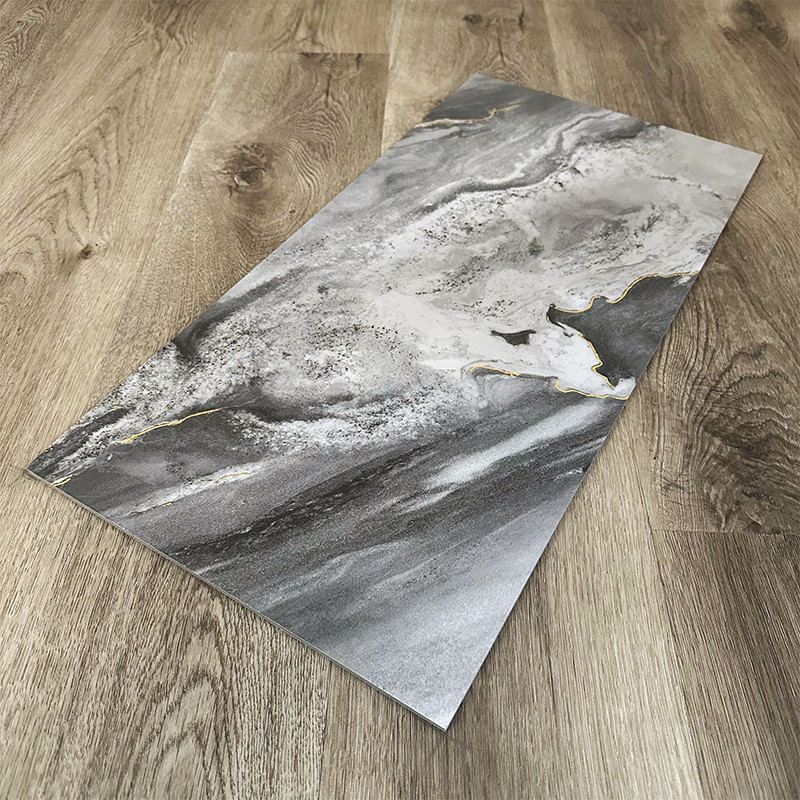
Commercial interior design evolves rapidly today. Design teams increasingly prefer composite materials for modern projects. These materials offer incredibly fast installation times. They also provide massive aesthetic scalability across large footprints. However, this sudden market shift introduces a significant problem. The industry currently overflows of varying quality grades. You cannot rely purely on manufacturer marketing claims for large-scale projects. Doing so exposes your firm to serious compliance risks. It creates major safety liabilities immediately. It also introduces severe long-term durability issues. You need a strict, evidence-based evaluation framework instead. This guide provides a definitive checklist for your procurement team. You will learn how to interpret complex third-party test reports effectively. We will show you how to ensure strict building code compliance. Finally, you will understand how to match material capabilities to specific project demands flawlessly.
Key Takeaways
Compliance First: Commercial viability hinges on verified fire ratings (e.g., ASTM E84, EN 13501-1) and strict VOC emission limits.
Durability Metrics Matter: Surface hardness and impact resistance data are required to validate the lifespan of specific finishes, such as a Durable Golden Marble Bamboo Charcoal Panel.
Report Integrity: Trustworthy procurement requires independent, accredited lab validation (ISO/IEC 17025) rather than internal manufacturer testing.
Installation Viability: Test reports must account for thermal expansion, moisture resistance, and adhesive compatibility in high-traffic environments.
The Compliance Gap in Commercial Panel Procurement
Many project managers face a massive disconnect during procurement. They see a beautiful decorative sample on their desk. The finish looks perfect. The texture feels premium. However, this aesthetic appeal hides the structural reality. Visual samples alone are completely insufficient for commercial evaluation. A small sample piece cannot predict long-term performance. It will not tell you how the material behaves under stress.
A successful procurement phase requires documented proof of performance. You must secure this testing data before placing any bulk orders. This rigorous approach minimizes your legal and financial liability. If you skip this critical step, the cost of failure climbs rapidly. Imagine installing thousands of square feet of decorative wall panels. A few months later, the outer film starts delaminating.
Building inspectors might fail your project entirely due to undocumented fire ratings. High-traffic zones could show accelerated wear almost immediately. These physical failures ruin project timelines completely. They damage your professional reputation severely. You must bridge this dangerous compliance gap through rigorous lab report auditing. You protect your clients by demanding hard data over flashy marketing.
Fire Safety and Combustibility Testing (The Baseline Requirement)
Commercial spaces require stringent fire classifications. Hospitality venues, healthcare facilities, and corporate offices host hundreds of people daily. Building codes mandate strict safety limits on interior finishes. You simply cannot compromise on these baseline safety standards. An uncertified panel acts as fuel during an emergency.
When you review a test report, you must verify specific performance metrics. We recommend creating a strict evaluation checklist for your procurement team.
Flame Spread Index (FSI): Commercial projects almost always demand Class A ratings. Some regulatory regions refer to this as Class 1. This rating proves the material resists rapid fire progression effectively.
Smoke Developed Index (SDI): Fire alone does not cause the most harm. Smoke inhalation poses a much greater risk to building occupants. Ensure the SDI falls well within acceptable commercial occupancy limits.
Standard Frameworks: The report must explicitly reference recognized testing methods. Look for ASTM E84 compliance in the United States. European projects require strict EN 13501-1 certification.
Maintain a highly skeptical lens during your review process. Many suppliers use vague marketing terms to sell panels. They label products as "fireproof" or "fire-retardant". Reject these claims immediately if they lack specific index numbers. A legitimate supplier always provides a comprehensive testing methodology breakdown. They will show you exactly how the panel performed inside a controlled burn chamber.
Indoor Air Quality (IAQ) and Environmental Toxins
Commercial composite materials demand rigorous evaluation for chemical off-gassing. Modern commercial buildings operate as tightly sealed environments. They rely entirely on closed climate-controlled HVAC systems. These sealed spaces trap environmental toxins easily. Poor quality wall panels can ruin indoor air quality rapidly. This creates severe health and safety risks for daily occupants.
Your test report checklist must address these specific chemical limits directly. First, examine the formaldehyde emission levels. Formaldehyde often lurks inside cheap composite adhesives. You should look for E0 standard certification. Alternatively, verify EPA TSCA Title VI compliance. These global standards ensure the panel releases nearly zero harmful formaldehyde into the air.
Next, evaluate the Total Volatile Organic Compounds (TVOCs). Ensure the testing methodology aligns with recognized environmental certifications. Protocols like GREENGUARD are excellent industry benchmarks. You can also look for FloorScore methodology applied to wall surfaces.
You must verify the actual material specifics closely. Manufacturers use various chemical binding agents to create composite cores. When specifying a carbon crystal panel, demand absolute clarity on the resin composition. Many suppliers utilize "green" marketing heavily. They claim their bamboo charcoal composites are completely natural. You must separate these marketing stories from the chemical realities. A valid lab report reveals the true chemical makeup reliably. It proves the material is genuinely safe for enclosed commercial occupancy.
Mechanical Durability and Moisture Resistance
Commercial wall surfaces take a constant physical beating. Luggage carts crash into hotel corridor walls. Cleaning crews scrub hospital surfaces aggressively. You must evaluate how the panel performs under this physical stress. This testing becomes especially critical for premium aesthetic variations. A luxury product like a Durable Golden Marble Bamboo Charcoal Panel must maintain its flawless finish despite heavy commercial use.
Your test report must include hard laboratory data on expected wear and tear. Here are the core durability metrics you should demand:
Impact Resistance: Look for drop-test or pendulum impact results. ASTM D2794 is a highly reliable standard. It proves the panel will not crack upon sudden, sharp impacts.
Scratch and Abrasion Resistance: The decorative outer film needs extreme toughness. Check the surface hardness ratings thoroughly. Shore hardness tests provide good baseline data. Taber abrasion tests offer even better insights into long-term scuffing resistance.
Water Absorption Rate: Measure the percentage of swelling after prolonged water exposure. Commercial washrooms and below-grade basements require highly moisture-resistant materials. High absorption rates lead to internal rot.
You must translate these laboratory metrics into real-world facility outcomes. High scratch resistance means fewer mid-cycle panel replacements. Excellent water resistance ensures simpler daily maintenance schedules.
Commercial Panel Durability Benchmarks
Testing Category
Standard Method
Acceptable Commercial Range
Primary Risk if Failed
Impact Resilience
ASTM D2794
> 80 in-lbs (varies by core thickness)
Deep core fracturing
Surface Abrasion
Taber Test (CS-17)
> 500 cycles (minimal wear)
Decorative pattern fading
Moisture Swelling
EN 317 or equivalent
< 2% after 24 hours
Panel warping and rot
Surface Hardness
Shore D
> 65
Deep gouging from carts
Dimensional Stability and Implementation Realities
Installation introduces a completely new set of physical risks. Even the highest-quality panels fail if they warp over time. Commercial HVAC systems cause significant daily temperature fluctuations. Office buildings often power down on weekends. Indoor temperatures rise and fall dramatically. Your wall materials must handle these thermal shifts gracefully.
The test report must address dimensional stability directly. Check the thermal expansion coefficient carefully. This metric tells you how much the panel shrinks or expands. It predicts material movement across seasonal temperature shifts. High expansion rates cause severe buckling at the installation seams.
You also need data on layer adhesion and peel strength. A Carbon Crystal Panel features multiple firmly bonded layers. It has a rigid substrate, a solid carbon crystal core, and a printed decorative film. Stress testing must validate the chemical bond between these distinct layers. Poor peel strength guarantees eventual aesthetic delamination.
Connect these lab numbers to your actual installation tolerances. If the report shows moderate thermal expansion, plan accordingly. You will need to engineer specific expansion joints into the architectural layout. Your installers must use flexible commercial adhesives to accommodate the movement. Lab data provides the exact parameters for these crucial project rollout lessons.
Supplier Shortlisting Logic: How to Audit the Test Report
You now know exactly what performance metrics matter. Next, you must verify the absolute authenticity of the data. You need a strict document verification framework. This framework differentiates legitimate engineering data from doctored marketing sheets. Some unscrupulous suppliers manipulate old test reports to win lucrative bids. You must audit every document aggressively.
Watch for these critical red flags during your review process:
Expired test dates: Reject any testing reports older than three to five years. Manufacturing processes change constantly over time. Old compliance data is entirely useless for new projects.
Missing accreditations: The testing laboratory must hold current ISO/IEC 17025 accreditation. This certification proves the lab operates independently. It guarantees they follow strict scientific protocols.
SKU mismatches: The exact product name on the report must match your purchase order. Suppliers often test a premium thick panel to get good numbers. They then ship a thinner, cheaper version to the job site.
You must mandate concrete next-step actions to protect yourself. Demand complete PDF reports from the supplier immediately. Never accept single-page summary sheets. Request physical samples drawn from the exact tested manufacturing batch. Finally, verify the lab report numbers directly. Call the issuing agency. You can also check their official online portal. Authenticating the document protects your entire commercial investment.
Conclusion
Procuring wall panels for commercial use requires absolute diligence. It is a rigorous risk-management exercise. It goes far beyond a simple aesthetic design choice. Your commercial projects depend on structural integrity. They also rely on uncompromising fire and health safety.
You must adopt a highly strategic stance during procurement. Prioritize suppliers who operate with total data transparency. They should provide unredacted, third-party lab reports willingly. Do not reward suppliers who merely offer the lowest price per square meter. Cheap commercial panels always carry massive hidden liabilities.
Advise your procurement teams to act immediately. They must mandate this comprehensive testing checklist in every Request for Proposal (RFP). Force suppliers to prove their material claims before they ever submit a bid. This proactive approach guarantees long-term project success and minimizes future headaches.
FAQ
Q: How can I verify if a carbon crystal panel test report is authentic?
A: You should first check the testing laboratory's ISO/IEC 17025 accreditation. Next, cross-reference the unique report ID directly on the laboratory's official online portal. Finally, ensure the tested thickness and exact product SKU match your pending commercial order perfectly.
Q: Do bamboo charcoal panels require different fire testing than standard PVC panels?
A: The core material composition definitely differs between the two products. However, the commercial regulatory standard remains the identical baseline. Both panel types must undergo rigorous standardized testing like ASTM E84 or EN 13501-1 to prove commercial viability.
Q: What is an acceptable water absorption rate for commercial wall panels?
A: For dry commercial zones like office hallways, absorption rates under 5% are generally acceptable. However, in wet commercial zones like public washrooms or basements, you should demand an absorption rate below 2% after 24 hours of exposure.
Q: Can these panels be installed directly over existing commercial wall substrates?
A: Yes, they often can. However, the existing surface requires proper cleaning and leveling preparation. You must also review the panel's dimensional stability test data. This thermal expansion data directly informs which flexible commercial adhesive you should select for the installation.
The company was established in 2018 and specializes in new environmentally friendly indoor decorative materials such as SPC flooring, WPC flooring, carbon crystal flooring, wood veneer panels, and carbon crystal wall panels.