A wall panel order can go wrong long before installation begins. The sample may look right, but the finished wall can still show awkward seams, uneven reflections, weak edge details, or waste from poorly planned cuts. A Carbon Crystal Board is often chosen for modern interior walls and ceilings, yet its real performance depends on matching thickness, size, surface finish, and installation method to the project. For buyers comparing carbon crystal wall panel options, the key is not finding the most decorative board, but choosing one that fits the wall condition, room use, lighting, and site constraints.
Choose the Right Thickness for the Wall, Not Just the Budget
When 5mm Panels Make Sense
A 5mm Carbon Crystal Board is often chosen when the project needs lighter handling, easier cutting, and less build-out from the original wall surface. Thinner panels can be useful for ceilings, decorative feature walls, and light-contact residential areas where the board is not expected to face frequent impact. Renovation projects may also benefit from this profile because door frames, skirting, cabinet edges, and floor transitions often leave very little extra depth.
The lighter profile can make installation more manageable, especially when workers need to lift panels above shoulder height or fit them into tighter spaces. Smaller teams may also find thinner boards easier to trim around switches, corners, and narrow wall sections. That said, thinner does not mean more forgiving. A 5mm board needs a flatter backing wall because dips, ridges, or old plaster waves can telegraph through the surface and spoil the clean look buyers expect.
When 8mm Panels Are the Safer Everyday Choice
An 8mm Carbon Crystal Board is usually the safer choice for many standard wall projects because it provides a more solid installed feel. The additional thickness improves rigidity, which helps the board sit flatter across larger wall areas when the substrate has been properly prepared. Living room backgrounds, hotel rooms, office reception walls, retail display walls, and restaurant feature areas often benefit from this balance between strength and workable handling.
KAXIER’s PET metal carbon crystal wall panel is available in 5mm and 8mm thicknesses, so buyers should confirm whether the chosen finish, color, and length are available in the exact thickness needed before production or shipment. A finish that looks ideal in a sample may not always be stocked in every size or profile. For commercial projects, that small detail can affect lead time, batch consistency, and replacement planning later.
Thickness Mistakes That Lead to Installation Trouble
The most common thickness mistake is assuming that a thicker panel automatically solves every problem. If the wall is weak, damp, dusty, hollow, or uneven, extra thickness can increase stress on the adhesive and make the installation harder to control. A heavier carbon crystal wall panel also needs better support during positioning, especially when the sheet is long or installed vertically from floor to ceiling.
Another mistake is using one specification across every room without thinking about traffic level. A ceiling panel, a hotel corridor, a TV background, and a bathroom wall do not face the same contact risk or installation conditions. Thickness should be matched with wall flatness, panel weight, adhesive performance, cutting requirements, and edge treatment. The right decision is not the thickest board; it is the board that fits the wall and the way people will use the space.
Get the Board Size and Layout Right Before Ordering
Pick Length Based on Wall Height and Seam Control
Length matters because it controls whether the wall needs horizontal seams. A 2440mm board may work well for many standard-height rooms, but it can create a joint line if the ceiling is higher than the board. Longer options such as 2800mm, 2900mm, or 3000mm can support a floor-to-ceiling layout when the building height and site access allow it.
The cleanest design is not always the easiest one to install. A longer Carbon Crystal Board may reduce seams on the wall, but it can also be harder to deliver, carry, rotate, and store without bending or corner damage. Custom lengths can be helpful for commercial projects with repeated room types, yet they depend on accurate measurements. If ceiling heights vary from room to room, factory-cut boards may create more trouble than they solve.
Plan Waste Before You Calculate Quantity
A wall elevation plan should come before the purchase quantity. Measuring only total square meters can lead to under-ordering because it ignores direction, cutouts, pattern alignment, and unusable offcuts. A simple flat wall may need a modest waste allowance, while walls with doors, sockets, windows, columns, niches, or angled corners usually require more material.
Directional finishes need extra care. Marble veins, wood grain, metallic brushing, and continuous pattern surfaces can look broken if boards are flipped, rotated, or cut without a layout plan. Buyers should decide seam positions before ordering, not after the panels arrive.
Match the Surface Finish to Lighting, Cleaning, and Design Style
Metallic Finishes: Best for Controlled Feature Areas
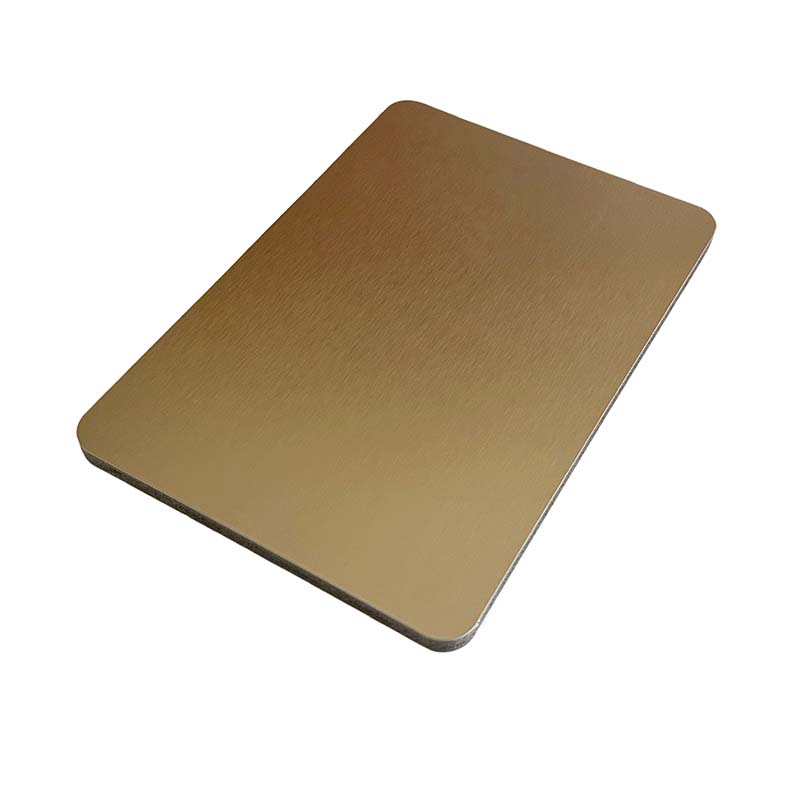
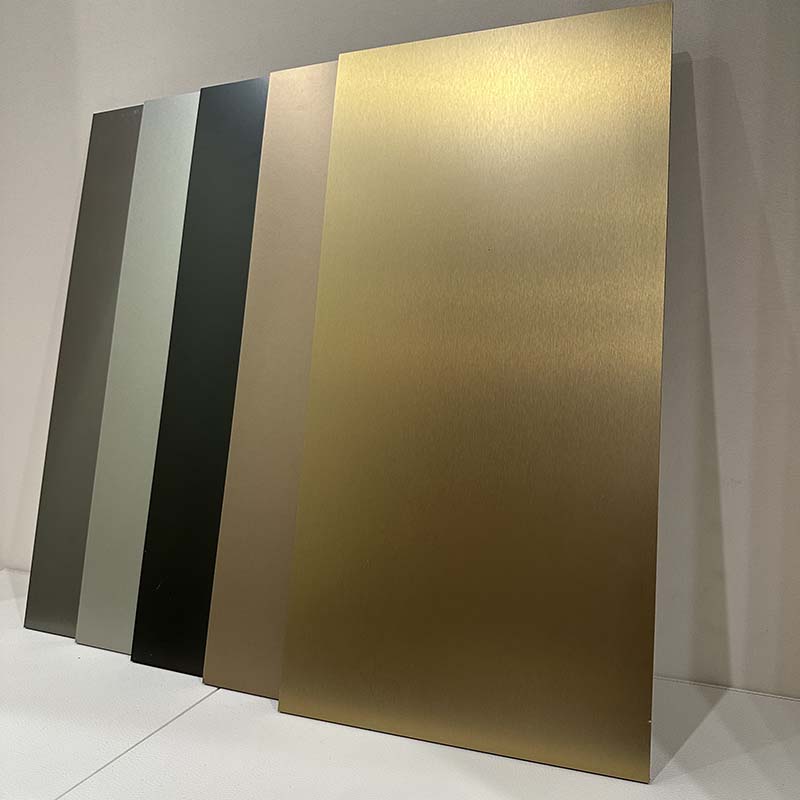
A metallic Carbon Crystal Board can make a wall feel sharp, modern, and more architectural. KAXIER’s PET metal carbon crystal wall panel uses a PET decorative film with a metallic brushed pattern over a PVC and bamboo charcoal fiber co-extruded substrate. That type of finish suits reception walls, hotel backgrounds, luxury retail spaces, modern restaurants, and selected residential feature walls where the surface is meant to carry visual weight.
Metallic finishes need controlled use because they react strongly to light. Spotlights, LED strips, and daylight from side windows can increase reflection and make wall unevenness more obvious. Corners and trims also become more visible because the surface has a stronger visual direction. For this reason, metal-look boards work best when the wall has been carefully leveled and the installer has already planned edge details.
Marble, Wood Grain, Fabric, Leather, and Skin-Feel Options
Surface finish should be chosen for the room, not just for the catalog image. Marble patterns create a stronger visual statement and often suit TV backgrounds, lobbies, bathrooms, and commercial feature walls. Wood grain finishes feel warmer and are easier to coordinate with flooring, doors, cabinetry, and furniture. Fabric or leather textures can soften hospitality spaces, bedrooms, private offices, and lounge areas.
KAXIER’s marble continuous pattern panel range includes wood grain, marble, fabric, leather, and skin sensation finish options. This range gives buyers design flexibility, but it also raises the need for tighter sample control. A glossy marble surface, a brushed metal film, and a matte skin-feel finish will not hide flaws or respond to cleaning in the same way. Selection should consider glare, fingerprints, scratch visibility, and the mood of the space.
Check Installation Conditions Before You Approve the Product
Wall Preparation Decides the Final Result
Many installation failures blamed on the panel actually start with the wall. Adhesive installation needs stable contact, and large sheets make wall defects easier to see. A wall that is dusty, damp, cracked, oily, hollow, or out of plane can cause poor bonding, lifted edges, uneven shadows, or hollow-sounding areas behind the panel.
Before installing a Carbon Crystal Board, the contractor should check the substrate carefully. Wall flatness matters because rigid decorative panels do not behave like paint or wallpaper. Moisture should be controlled before installation, especially in bathrooms, kitchens, and recently plastered interiors. Loose paint, weak plaster, old adhesive, and powdery cement surfaces should be corrected rather than covered and forgotten.
Adhesive, Sealant, and Edge Details Are Buying Decisions
Installation accessories should be treated as part of the product decision. KAXIER’s marble continuous pattern wall panel can be installed with silicone structure glue, making adhesive planning necessary before the order is approved. The buyer should know what adhesive is recommended, how much is needed, and whether the wall condition is suitable for that method.
Edges and transitions deserve the same attention. Inside corners, outside corners, door frames, window returns, ceiling lines, skirting areas, and electrical cutouts all affect the final appearance. Sealant color, trim profile, expansion gaps, and corner protection should be confirmed with the board specification. When these details are left until the panels arrive, the installation can look improvised even if the board itself is good.
Site Access Can Limit Panel Size
A long board can reduce seams, but it still has to reach the wall. Narrow stairs, small elevators, tight corridors, low ceilings, and cramped storage areas can turn a clean design idea into a site problem. The issue is especially common when buyers choose 2800mm, 2900mm, or 3000mm lengths for floor-to-ceiling installation without checking the delivery route.
Site access should be checked from the unloading point to the final room. The team needs enough space to unload, carry, rotate, and temporarily store each panel flat. A board that cannot pass a stairwell turn or elevator opening may need to be cut, which defeats the purpose of ordering a longer size. Good ordering decisions include the building, not just the wall.
Final Buying Checklist for a Cleaner, Lower-Risk Order
Specification Questions to Confirm
The final order should be based on confirmed project conditions, not assumptions. A buyer should ask what thickness is available for the selected finish, whether the board will be installed on a wall or ceiling, and whether the area is dry, humid, decorative, or high-contact. Board length should be checked against wall height, seam goals, and the delivery path.
Technical claims also need model-level confirmation. Fire rating, environmental grade, density, service-life statements, and maintenance features should be documented for the exact product being ordered. If samples have not been viewed under project lighting, the finish approval is still incomplete. A Carbon Crystal Board is a visible material, so small mismatches become part of the finished interior.
A Practical Order Workflow
A simple workflow can prevent most ordering mistakes. First, measure every wall elevation rather than relying on floor plans alone. Next, choose thickness based on the use area and wall condition, then select size based on ceiling height, seam planning, and site access. Finish samples should be approved under real lighting before bulk production or shipment.
After that, confirm adhesive, trims, corners, sealants, and expansion details. Quantity should include waste allowance and spare panels for future repair. Packaging and batch consistency are also worth checking, especially for commercial projects with repeated rooms or long corridors. A cleaner order is usually the result of many small decisions made early.
Suggested Visual Module: Buyer’s Pre-Order Table
Item to Confirm
Why It Matters
Thickness
Controls rigidity, weight, cutting, and impact resistance
Size
Affects seams, waste, delivery, and installation labor
Surface finish
Changes appearance, cleaning, glare, and pattern matching
Wall condition
Decides whether adhesive installation will hold properly
Edge treatment
Determines whether corners and transitions look finished
Spare quantity
Helps with cutting errors and future repairs
Conclusion
Choosing a Carbon Crystal Board is less about chasing the thickest panel or the most dramatic finish, and more about matching each specification to the wall, lighting, room use, and installation conditions. Thickness affects stability, size affects seams and waste, surface finish shapes daily appearance, and proper wall preparation keeps the final result clean.
For buyers planning a carbon crystal wall panel project, GUANGDONG KAXIER GREEN BUILDING MATERIALS CO., LTD. offers decorative panel options that support practical interior decisions, helping projects reduce rework, simplify material selection, and create more consistent wall finishes.
FAQ
Q: What is a Carbon Crystal Board used for?
A: A Carbon Crystal Board is mainly used for interior wall and ceiling decoration, including feature walls, hotel rooms, offices, retail spaces, restaurants, and selected residential areas.
Q: What thickness should I choose for a carbon crystal wall panel?
A: Thinner panels suit ceilings and light decorative areas, while thicker panels usually offer better rigidity for feature walls, commercial interiors, and spaces with more daily contact.
Q: Can Carbon Crystal Board be installed in bathrooms or kitchens?
A: It can be used in moisture-prone interiors if the selected product is suitable and edges, joints, adhesive, and wall preparation are handled correctly during installation.
Q: How do I choose the right board size?
A: Choose size based on wall height, seam planning, transport access, and cutting waste. Larger boards reduce joints but need careful handling and accurate site measurements.
Q: Which surface finish is easiest to maintain?
A: Matte, skin-feel, or lightly textured finishes usually hide fingerprints and glare better than high-gloss or metallic surfaces, especially in busy residential or commercial spaces.
Q: Can carbon crystal wall panels be cut on site?
A: Yes, many panels can be cut on site with suitable tools, but the layout should be planned first to control seams, pattern direction, edge quality, and material waste.
The company was established in 2018 and specializes in new environmentally friendly indoor decorative materials such as SPC flooring, WPC flooring, carbon crystal flooring, wood veneer panels, and carbon crystal wall panels.