Maintaining indoor environmental quality presents a massive challenge today. You often see this struggle in moisture-prone or high-traffic spaces. Coastal homes, hotel bathrooms, and commercial kitchens constantly battle dampness. They also fight a continuous war against lingering smells. Enter the charcoal-infused composite material. It has recently emerged as a highly sought-after solution in commercial and residential interior design. However, buyer skepticism naturally follows any trending architectural product. You must separate clever marketing hype from the actual physical properties of these unique composites. Are they truly miracle workers? This article will objectively evaluate panel performance regarding moisture resistance and odor mitigation. We will explore their structural limitations openly. You will learn how to specify them correctly for procurement. By the end, you will know exactly what to expect from this innovative building material. You can then make highly informed purchasing decisions.
Key Takeaways
Moisture Resistance, Not Dehumidification: A charcoal wall panel provides a 100% waterproof, mold-resistant barrier, but it does not actively remove existing moisture from the air like an HVAC system.
Odor Mitigation: The microporous nature of bamboo charcoal fibers aids in trapping certain volatile organic compounds (VOCs) and ambient odors, improving long-term indoor air quality.
Superior Durability: Compared to traditional drywall or standard PVC, charcoal-infused panels offer higher impact resistance and structural stability in humid environments.
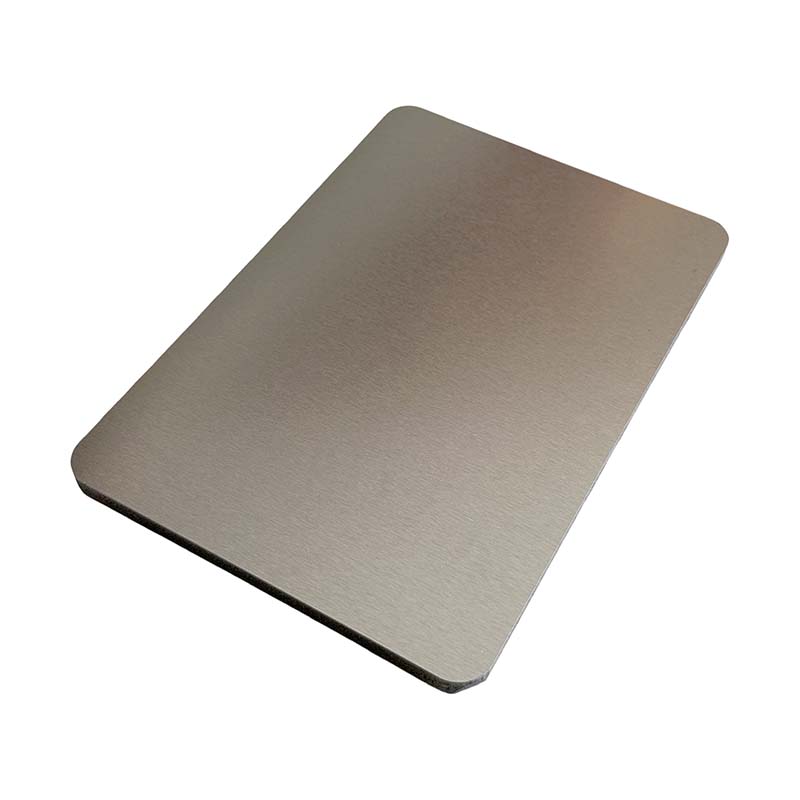
Aesthetic Versatility: Options like the Bamboo Charcoal Fiber Gold Metal Wall Board allow designers to meet strict IEQ standards without sacrificing high-end luxury aesthetics.
The Mechanism: Do Charcoal Panels Actually Absorb Odors and Moisture?
Let us examine the exact material composition first. Manufacturers do not simply glue charcoal to plastic. They mix fine bamboo charcoal powder into advanced PVC resins. They extrude this complex mixture under extreme high heat. This manufacturing process creates a dense, rigid core. The resulting structural matrix binds the organic and synthetic materials permanently. What about the moisture control realities? A common misconception exists in the design market. Many buyers believe the panels actively pull moisture from the room. They do not act as room dehumidifiers. Instead, they serve as completely impermeable barriers. They prevent ambient moisture from penetrating the wall cavity. This defensive action stops mold and mildew from growing inside your drywall. Furthermore, they excel at ambient condensation management. The dense core offers unique thermal properties. It reduces surface condensation significantly when compared to cold ceramic tiles or standard metal. Warm, moist air does not immediately bead up on these specialized surfaces. Next, consider the unique odor absorption properties. The natural microporosity of bamboo charcoal physically traps airborne odor molecules. The active carbon framework effectively captures certain volatile organic compounds (VOCs). Installing a charcoal wall panel improves baseline indoor air quality. It acts as a passive filter for your room. However, you must maintain realistic expectations here. Absorption capacity remains physically finite. It cannot neutralize severe, continuous odor sources. Heavy industrial smoke or constant chemical fumes will eventually overwhelm the material. It works best for everyday ambient odors.
Charcoal Wall Panel vs. Standard PVC and Traditional Drywall
High-humidity zones demand extremely robust materials. Traditional drywall fails quickly in these harsh environments. Drywall swells, warps, and rots when exposed to direct moisture. Conversely, charcoal-infused composites offer complete immunity. They never warp under humid conditions. Standard PVC panels also resist water effectively. However, the charcoal variant provides substantially increased density. It exhibits a much lower thermal expansion rate. The organic bamboo additive also reduces "plastic" off-gassing. This makes it structurally superior to basic hollow PVC alternatives. Indoor Environmental Quality (IEQ) matters greatly for modern builds. Traditional drywall uses a highly porous paper facing. This paper becomes extremely susceptible to dangerous mold growth. Once mold takes root, it spreads rapidly. Charcoal panels offer excellent antimicrobial surface properties. Mold spores cannot easily anchor to the dense, non-porous surface. They protect your interior environments far better than painted paper. Consider the lifecycle cost and long-term maintenance. You will pay a higher initial procurement cost for charcoal composites. Standard drywall certainly costs less upfront. But you gain significant long-term financial savings. You reduce spending on constant maintenance. You eliminate the need for frequent repainting. You avoid expensive, highly disruptive mold remediation projects. The operational benefits compound over the lifetime of the building.
Material Performance Comparison Chart
Material Type
Moisture Resistance
Odor Mitigation
Impact Resistance
Traditional Drywall
Very Low (Prone to rot)
None (Absorbs smells)
Low (Dents easily)
Standard PVC
High (Waterproof)
None
Medium (Prone to cracking)
Charcoal Composite Panel
Maximum (Waterproof)
High (Active carbon traps VOCs)
High (Dense rigid core)
Ideal Applications for Humidity and Odor Control
Different environments benefit uniquely from this specialized material. Coastal homes and high-humidity climates face constant environmental threats. They must defend against aggressive salt air. Chronic dampness and seasonal humidity spikes ruin traditional walls rapidly. Charcoal composites handle these extreme climate variations without degrading. They maintain their structural integrity year after year. Hospitality and commercial spaces also gain huge operational advantages. B2B buyers frequently upgrade hotel aesthetics using these products. They solve corridor and room odor retention simultaneously. Stale air often plagues older hotels. These panels help neutralize those lingering smells effectively. You can easily choose premium finishes for luxury lobbies. A Charcoal Wall Panel,Bamboo Charcoal Fiber Gold Metal Wall Board serves as an excellent example. It creates stunning, opulent feature walls. It proves durability does not require any aesthetic compromise. Designers love the metallic visual appeal combined with robust performance. Residential wet rooms represent another perfect application. Bathrooms, basements, and laundry rooms require strict moisture management. Vapor barriers are absolutely essential in these damp spaces. Homeowners replace failing drywall with these panels constantly. They offer complete peace of mind during steamy showers. You never worry about hidden moisture damage again.
Potential Drawbacks and Implementation Risks
Every building material carries specific implementation risks. You must avoid dangerous structural assumptions during renovations. Never install panels over active, untreated leaks. Do not cover up existing black mold. The panel easily masks the visual problem temporarily. However, structural rot behind it will continue rapidly. You must remediate all rot before beginning installation. The panels protect healthy walls, but they do not cure existing rot. HVAC dependency remains a crucial design factor. Moisture-resistant panels cannot act entirely alone. You must pair them with proper mechanical ventilation. Exhaust fans and ERVs are mandatory code requirements. They actively lower room humidity levels. The panels simply protect the physical wall surface. Installation precision determines your long-term project success. Pay close attention to these critical installation steps:
Assess substrate requirements thoroughly first. You might need furring strips over uneven masonry walls.
Apply high-quality structural adhesives evenly across the back.
Ensure perfect seam integrity between every board. Use high-quality joining trims for all corners.
Apply appropriate silicone sealants generously. This prevents moisture from bypassing the panel edges entirely.
Evaluation Criteria: Specifying the Right Panel for Your Project
Choosing the right product requires strict evaluation criteria. Look carefully at safety certifications and regulatory compliance. Buyers should always demand ISO certifications. Verify Class A fire ratings for commercial spaces. Request SGS testing reports confirming zero-formaldehyde emissions. Clean indoor air starts with clean manufacturing processes. Core density reveals true product quality. Watch out for cheap imitations flooding the market. Some suppliers market standard hollow-core PVC falsely. They call it solid charcoal to inflate prices. Always check the cross-section visually. A true charcoal core feels heavy and looks visibly dense. Thickness guidelines vary based on your specific application:
Use 5mm panels for low-impact residential ceilings.
Select 8mm panels for standard residential walls and light commercial use.
Demand 12mm panels for high-traffic commercial environments and hospital corridors.
Decision-makers need a clear shortlisting process. Request physical cross-section samples first. Verify the core material density yourself. Test the finish adhesion by scratching it. Do this before placing any massive bulk orders.
Conclusion
Let us review the final verdict on this material. A charcoal-infused panel acts as a highly effective defensive layer. It passively protects against severe moisture damage. It reduces ambient odors significantly over time. You must simply align your expectations with its physical realities. It prevents mold but requires mechanical ventilation. It absorbs odors but has a finite chemical capacity. Take action on your next design project today. Request a physical material sample from a reputable manufacturer. Download a comprehensive technical specification sheet. Consult directly with a qualified sales engineer. They can customize architectural solutions for your specific needs. Protect your coastal, residential, or commercial investments with the right materials.
FAQ
Q: Can a charcoal wall panel replace a bathroom exhaust fan?
A: No. While the panel is waterproof and prevents mold growth on the walls, mechanical ventilation is still required by building codes to extract airborne moisture.
Q: Do bamboo charcoal panels lose their odor-absorbing properties over time?
A: Yes, like any activated carbon material, the micropores eventually saturate. However, the panel retains its structural, waterproof, and aesthetic properties indefinitely.
Q: How do you clean and maintain a Bamboo Charcoal Fiber Gold Metal Wall Board?
A: Outline a non-abrasive cleaning protocol using mild soap and a microfiber cloth. This protects the metallic lamination while maintaining the hygiene of the charcoal fiber base.
Q: Can these panels be installed directly over existing bathroom tiles?
A: Yes, provided the existing tiles are structurally sound, flat, and thoroughly degreased. Appropriate structural adhesives must be used.
The company was established in 2018 and specializes in new environmentally friendly indoor decorative materials such as SPC flooring, WPC flooring, carbon crystal flooring, wood veneer panels, and carbon crystal wall panels.