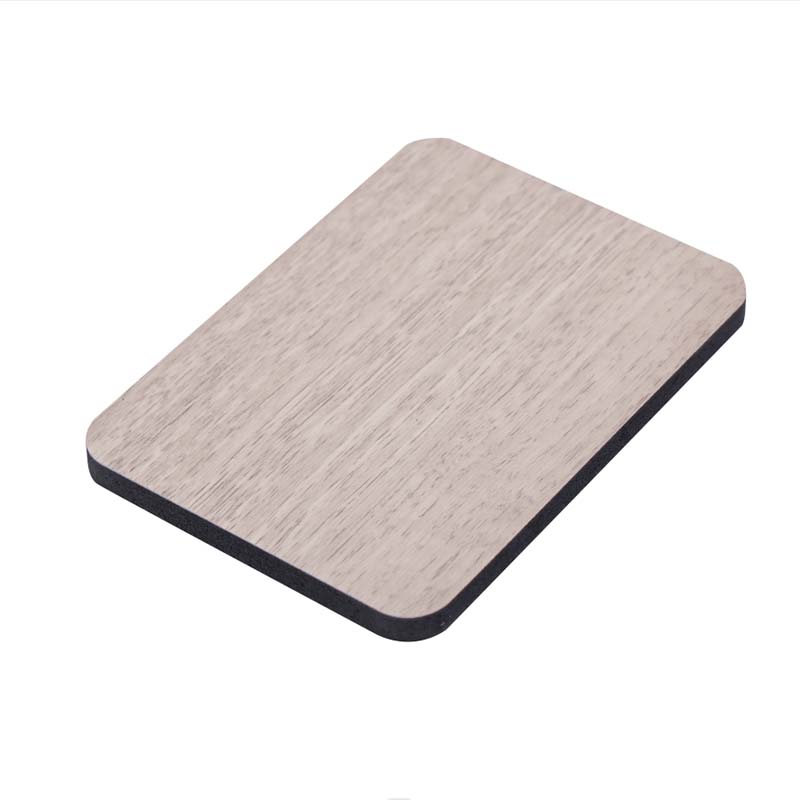
Feature walls demand building materials balancing structural integrity, aesthetic flexibility, and cost-efficiency. Historically, MDF and plywood dominated this interior design space. Architects and builders relied heavily on these traditional wood products for decades. However, rising concerns over formaldehyde emissions continually disrupt this standard practice. Moisture susceptibility and material warping constantly drive the market toward advanced composite alternatives. Installers often face frustrating callbacks for swollen joints or failed paneling in humid environments.
We provide an objective, side-by-side evaluation of these common materials. You will discover if a carbon crystal panel offers a viable, scalable replacement for traditional wood-based substrates. We explore structural limitations, safety compliance, and installation best practices. By the end, you can make informed material decisions for high-end residential and commercial build-outs.
Key Takeaways
Moisture & Fire Resistance: Carbon crystal panels outperform standard MDF and plywood in high-humidity and strict fire-code environments.
Installation Workflow: Transitioning requires adjusting fabrication methods; carbon crystal behaves differently under saws and routers than traditional wood grain.
Aesthetic Integration: A carbon crystal panel can serve as a highly stable substrate for a surface-level Wood Veneer Wall Panel Sheet, offering a traditional look with modern composite performance.
Cost vs. Lifespan: While initial material costs for carbon crystal may be higher, reduced maintenance and elimination of moisture-related replacements often lower the total cost of ownership.
The Baseline Problem: Limitations of MDF and Plywood in Modern Build-Outs
Traditional wood substrates present several structural and environmental challenges. Builders encounter these issues frequently during modern commercial and residential projects. We must understand these baseline limitations before evaluating newer composite alternatives.
Environmental & Compliance Risks: Standard MDF often relies heavily on urea-formaldehyde adhesives. These glues off-gas Volatile Organic Compounds (VOCs) into indoor spaces over time. This continuous off-gassing negatively impacts building LEED certifications. Poor indoor air quality poses significant health risks for building occupants. Modern green building codes restrict these emissions strictly. Designers must seek healthier substrate alternatives for compliance.
Dimensional Instability: Wood fibers behave like sponges naturally. Seasonal humidity and temperature fluctuations cause plywood to warp visibly. MDF swells significantly under similar humid conditions. This unavoidable swelling leads directly to failed panel joints. Misaligned feature walls quickly become a noticeable eyesore. Builders often spend countless hours fixing these aesthetic defects. You cannot reverse MDF water damage once swelling occurs.
Acoustic Nuances: Plywood and MDF offer a well-known baseline for sound dampening. Their high mass and density block sound transmission effectively. This inherent density establishes a solid acoustic benchmark. Alternative materials must meet or exceed this standard. Premium spaces like theaters and boardrooms demand excellent acoustic control. Any replacement material must not compromise room acoustics noticeably.
Carbon Crystal Panel vs. Traditional Substrates: Head-to-Head Evaluation
Contractors need reliable data before switching core building materials. We must compare these substrates across several critical performance categories. This head-to-head evaluation highlights where modern composites excel and where traditional wood remains competitive.
Structural Integrity and Weight
Carbon crystal composites offer exceptional rigidity and strength. They rival standard 3/4-inch MDF and cabinet-grade plywood easily. The dense crystalline structure prevents sagging over wide spans. Installers worry less about panel bowing between wall studs.
Load-bearing capacity remains a crucial factor for feature walls. You often mount heavy light fixtures directly onto the finished surface. Large television mounts also require robust anchor support. A Carbon Crystal Panel holds toggle bolts and anchors securely. The material does not crumble inward like standard MDF under heavy shear loads.
Moisture, Fire, and Thermal Ratings
Moisture resistance sets these composite panels apart completely. Carbon crystal possesses inherent waterproof qualities at the core level. It does not swell, rot, or delaminate in wet areas. You can submerge the raw material without structural degradation. This makes them ideal for bathroom walls and coastal properties.
Fire ratings also dictate material selection in commercial spaces. Standard wood panels burn quickly unless treated specifically. Fire-retardant plywood costs significantly more than standard sheets. Carbon crystal meets strict commercial fire codes right out of the factory. The non-combustible core slows flame spread naturally. This native fire resistance simplifies building inspection approvals.
Surface Adhesion and Finishing
A wall substrate must accept surface finishes flawlessly. We must analyze how well carbon crystal accepts structural adhesives. Polyurethane construction adhesives bond incredibly strongly to the composite core. Mechanical fasteners also bite firmly into the dense material. You do not need specialized primers for basic adhesion.
These rigid panels serve as an excellent core backer. You can confidently apply a decorative Wood Veneer Wall Panel Sheet directly over them. They also accept PET laminates and acrylic sheets flawlessly. The composite provides an ultra-flat, stable foundation. Your decorative top layer will not wrinkle or pop off from seasonal substrate shifting.
Performance Feature
3/4" Standard MDF
Cabinet-Grade Plywood
Carbon Crystal Composite
Water Resistance
Poor (Swells easily)
Moderate (Prone to warp)
Excellent (Waterproof core)
Fire Retardancy
Low (Combustible)
Low (Unless treated)
High (Class A capable)
VOC Emissions
High (Formaldehyde)
Moderate to Low
Zero (Eco-friendly)
Machinability
Excellent (Mills cleanly)
Good (Prone to splinter)
Fair (Requires carbide tools)
Implementation Realities: What Fabricators and Installers Need to Know
Transitioning to composite substrates requires adjusting daily fabrication methods. Teams cannot treat this material exactly like traditional wood grain. Installers must update their tools and fastening habits for success. Preparing your crew beforehand prevents costly on-site mistakes.
Best Practice: Tape your intended cut lines using wide painter's tape. This simple step drastically minimizes surface splintering during fast cuts.
Common Mistake: Pushing a router too quickly along the panel edge. High friction melts the composite core instead of cutting it cleanly.
Tooling and Cutting: Standard woodworking blades dull surprisingly quickly on composite materials. The dense crystalline core creates high friction during cutting. You should use Triple Chip Grind (TCG) carbide-tipped blades. These specialized blades slice through composites cleanly. They reduce edge chipping and extend the lifespan of your cutting tools.
Fastening Systems: Installers must shift away from traditional brad nails. Standard wood glue also fails to bond the non-porous composite. Construction adhesives work much better for wall mounting. Aluminum channel systems provide superior structural support for modular designs. You should use specialized composite screws featuring reverse threads. These screws prevent material mushrooming at the surface level.
Edge Treatment: MDF routes easily for beautiful custom edge profiles. You simply sand and paint the exposed MDF edge directly. Exposed edges of carbon crystal require completely different finishing techniques. The raw composite core does not accept paint smoothly. You must use matching edge banding to conceal the sides. Alternatively, specialized metal trim pieces frame the panels beautifully. This approach conceals the raw core while adding a modern aesthetic.
Where Carbon Crystal Panels Fall Short (Adoption Risks)
No building material solves every single architectural problem perfectly. You must understand the specific limitations of carbon crystal composites. Acknowledging these adoption risks helps you plan projects more accurately. This prevents unexpected setbacks during final installation phases.
Repairability: Wood substrates forgive minor job site accidents easily. Gouged MDF fills quickly using standard wood putty. You simply sand it smooth and apply fresh paint. Carbon crystal requires entirely different patching techniques if gouged deeply. Deep scratches often require specialized two-part epoxy fillers. Perfect color matching remains quite difficult for unpainted composite finishes. Installers must handle the panels carefully to avoid deep scratches entirely.
Upfront Material Costs: You will pay a premium price per square foot. Commodity MDF costs significantly less at the initial purchase stage. Budget-conscious developers might hesitate at this initial price jump. You must secure a larger upfront materials budget for the project. Small-scale flips might not justify the immediate cash outlay. Premium materials demand a premium upfront investment from the client.
Acoustic Deficits in Specific Frequencies: Rigid composites behave differently than porous wood acoustically. Rigid carbon crystal reflects higher-frequency sounds sharply into the room. Thick MDF absorbs sound energy better due to its fibrous density. This acoustic reflection can create noticeable flutter echoes in empty rooms. Studio builds or home theaters might still prefer traditional wood substrates. Acoustic tuning requires careful material balancing across all wall surfaces.
Decision Framework: Selecting the Right Material for Your Feature Wall
Choosing the correct substrate depends entirely on specific project variables. You must evaluate the environment, budget, and design complexity carefully. We developed this simple decision framework to guide your material selection process.
When to Retain MDF or Plywood:
Strictly budget-constrained residential projects. These projects usually cannot absorb premium material pricing.
Dry-environment interior applications. Standard living rooms rarely face extreme humidity challenges.
Projects requiring complex, custom-routed 3D topographical designs. MDF mills beautifully for intricate CNC routing work.
When to Transition to a Carbon Crystal Panel:
High-traffic commercial lobbies. These spaces require strict fire ratings and verifiable zero-VOC compliance.
Basement remodels and bathroom feature walls. These humid environments destroy standard MDF panels rapidly.
Coastal properties. Salt air and ambient moisture cause severe warping in traditional plywood.
Carbon crystal panels represent a major leap forward in interior construction materials. They are not a universal replacement for all traditional woodworking applications. Intricate routed designs and budget-tier projects still lean heavily on MDF. However, they are a structurally superior upgrade for flat-panel feature walls in demanding environments. The material eliminates warping, meets strict fire codes, and ignores ambient moisture completely.
You should take actionable steps before switching your entire fabrication workflow. Order material samples from your supplier immediately. Test the blade-cutting feel using your existing shop saws. Verify adhesive compatibility using your preferred construction glues. Train your installation crew on proper fastening techniques beforehand. Commit to a full-scale commercial rollout only after thorough internal testing.
FAQ
Q: Are carbon crystal panels completely waterproof?
A: Yes, the core composite does not absorb water. This differs greatly from standard MDF. However, installers must still properly seal all seams and joints. Water can seep behind unsealed panels and damage the underlying wall structure.
Q: Can I apply a Wood Veneer Wall Panel Sheet directly over a carbon crystal panel?
A: Yes, it acts as an ultra-flat, non-warping substrate. You should use appropriate contact cements or polyurethane-based adhesives. This ensures a permanent bond between the decorative veneer and the rigid composite core.
Q: Do I need specialized contractors to install carbon crystal panels?
A: Standard carpenters can install them easily. They must adapt their fastening methods accordingly. Workers should use appropriate cutting blades. Carbide-tipped tools prevent edge chipping. Adapting these basic techniques ensures a flawless final installation.
Q: How does the weight compare to MDF?
A: Carbon crystal is often lighter or comparable in weight. Standard 3/4-inch MDF weighs heavily per square foot. The composite alternative reduces structural strain on drywall partitions. This makes handling and lifting much easier for installation crews.
The company was established in 2018 and specializes in new environmentally friendly indoor decorative materials such as SPC flooring, WPC flooring, carbon crystal flooring, wood veneer panels, and carbon crystal wall panels.