1. Understanding SPC Flooring
What is SPC Flooring?
SPC flooring, or Stone Plastic Composite flooring, is a type of rigid core vinyl flooring. It is an innovative solution for both residential and commercial spaces, offering durability, water resistance, and ease of maintenance. SPC flooring is primarily composed of PVC (Polyvinyl Chloride) and stone powder, giving it a robust core that provides strength, stability, and excellent performance.
The layers of SPC flooring typically consist of:
Wear Layer: This topmost layer protects the floor from scratches, stains, and damage, ensuring its long-lasting appearance. It’s usually made of a clear, durable material like urethane.
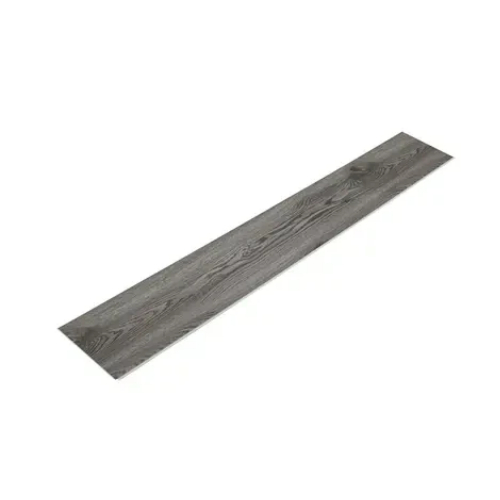
Decorative Layer: The second layer features a high-quality design, printed to replicate the look of wood, stone, or other natural materials, allowing for aesthetic versatility.
SPC Core Layer: The core of the floor is composed of a mixture of stone powder and PVC, which provides the flooring with remarkable rigidity and resilience, making it more durable and water-resistant than other types of flooring.
Underlayment: Often attached to SPC flooring, this layer helps absorb sound and provides additional moisture resistance, making it suitable for installation in high-moisture areas.
Importance of Proper Maintenance
SPC flooring is designed to be incredibly durable, but to keep it in top condition and maintain its aesthetic appeal, proper care and maintenance are necessary. While SPC floors are resistant to water, dirt, and stains, ignoring regular cleaning and maintenance can lead to the wear and tear of its protective layers. Proper care will ensure your floor stays looking new for years, preserving its strength and enhancing its longevity.
One of the most commonly asked questions about SPC flooring is whether you can mop it. Fortunately, the answer is yes, and in this guide, we’ll discuss the best practices for mopping your SPC floors, ensuring that they remain in excellent condition.
2. Can You Mop SPC Flooring?
Yes, You Can Mop SPC Floors
SPC flooring is designed to withstand moisture, making it highly suitable for areas that experience regular exposure to water. Waterproof by nature, SPC flooring can handle mopping without risk of warping or water damage, as long as proper precautions are taken. Mopping your SPC floor is a great way to keep it clean and looking fresh.
Recommended Mopping Methods for SPC Flooring
While mopping is an effective way to clean SPC flooring, it’s important to follow a few best practices to ensure the mopping process doesn’t compromise the floor’s durability or appearance. Here’s a breakdown of the best mopping methods:
Use a Damp Mop: Never use a soaking wet mop on SPC flooring. Excessive water can seep into the seams and edges of the floorboards, potentially leading to warping or the growth of mold over time. A damp mop is ideal for cleaning SPC floors, as it allows for effective cleaning without leaving excessive moisture on the surface.
Use pH-Neutral Cleaning Solutions: When selecting a cleaner for SPC floors, always opt for a pH-neutral floor cleaner. Harsh chemicals, such as bleach, ammonia, or acidic cleaners, can damage the protective layers of SPC flooring, resulting in dullness or discoloration. Stick with a gentle, pH-balanced cleaner that is specifically designed for use on vinyl or SPC surfaces.
Microfiber Mop: A microfiber mop is one of the best tools for cleaning SPC floors. Its fine fibers help pick up dirt and debris without scratching the surface, making it gentle on the floor while still being highly effective at removing dust and grime.
Avoid Excessive Water: It’s essential to remember that excessive moisture can damage the flooring over time. After mopping, always ensure the floor is dried promptly to avoid standing water, which could seep into the seams or cause other issues.
How Often Should You Mop SPC Flooring?
The frequency of mopping depends on several factors, including the amount of traffic and the area where the floor is installed. Here’s a breakdown of recommended mopping frequencies based on location:
Area | Recommended Mopping Frequency |
Residential Areas (Low Traffic) | Once a week or bi-weekly |
Residential Areas (High Traffic) | 2-3 times a week |
Commercial Areas | Daily or every other day |
Wet Areas (Bathrooms, Kitchens) | Weekly or as needed |
For residential spaces with low foot traffic, mopping once a week is generally enough to maintain the cleanliness and freshness of the floor. High-traffic areas or spaces with pets or children might require more frequent mopping, while commercial environments may need daily cleaning to ensure the floors remain pristine.
3. Step-by-Step Guide to Mopping Your SPC Floor
1. Prepare the Right Equipment
Before starting the mopping process, it’s essential to gather the proper tools. Having the right cleaning supplies ensures that the mopping process is efficient and doesn’t cause damage to the floor.
Microfiber Mop: A soft, gentle microfiber mop head helps trap dust and dirt without scratching the surface.
Bucket: You’ll need a bucket to mix the cleaning solution and water.
Floor Cleaner: Choose a pH-neutral cleaner that’s safe for use on vinyl or SPC flooring.
Warm Water: Use warm water to help dissolve dirt and lift stains, ensuring effective cleaning.
2. Sweep or Vacuum First
Before you start mopping, always sweep or vacuum the floor to remove any large debris such as dirt, dust, and pet hair. This step is critical because large particles can scratch the floor when mopping, especially if they get trapped under the mop. Using a vacuum with a hard floor setting is ideal, but if you don’t have one, a broom will suffice.
3. Mop Using a Damp Cloth
Now that the floor is free of debris, it’s time to mop. Here’s how:
Dampen the Mop: Fill your bucket with warm water and add a small amount of floor cleaner. Soak the microfiber mop in the solution, then wring it out so the mop is damp but not dripping wet.
Mop in Small Sections: Mop the floor in small, manageable sections. This helps you focus on one area at a time, ensuring a thorough cleaning.
Rinse Regularly: As the mop head becomes dirty, rinse it out and wring it dry before continuing. This ensures that you aren’t just spreading dirt around the floor.
4. Dry the Floor Immediately
Once you’ve mopped the entire area, it’s important to remove any excess moisture to prevent water damage. Use a dry microfiber mop or towel to wipe up any remaining water. This step is essential, as water left standing on the floor can seep into the seams, potentially causing long-term damage to the SPC flooring.
4. Additional Maintenance Tips for SPC Flooring
To keep your SPC floors looking their best for years, follow these additional maintenance tips:
Regular Cleaning
Daily sweeping or vacuuming is essential to prevent dirt and grit from accumulating. Dirt, dust, and other particles can scratch the surface of the SPC flooring if not removed regularly, so make this part of your routine.
Avoiding Harsh Chemicals
Always avoid using harsh cleaning products on SPC flooring, as they can damage the surface and diminish its protective layers. Stick to mild detergents and pH-neutral floor cleaners, which are safe and effective for regular cleaning.
Protecting the Floor from Scratches
While SPC flooring is durable, it is not completely impervious to scratches. To avoid scratches, use felt pads on the bottom of furniture, and furniture sliders when moving heavy objects across the floor. This will help protect the surface from abrasion.
Protecting from UV Damage
Extended exposure to direct sunlight can cause fading on SPC flooring, especially in areas with large windows or sun exposure. To avoid this, consider using area rugs or curtains to block out UV rays, particularly in high-traffic areas or in rooms with direct sunlight.
5. Conclusion
In conclusion, SPC flooring is an exceptional choice for both residential and commercial spaces, offering remarkable durability, water resistance, and ease of maintenance. When it comes to mopping your SPC floors, it's completely safe and effective as long as you use the appropriate tools and follow the best practices outlined in this guide. By regularly cleaning your floors with a damp mop and a mild cleaner, while avoiding harsh chemicals, you can ensure that your floors remain pristine and functional for years to come.
At Guangdong Kaxier Wall Panel Factory, we are committed to providing high-quality SPC flooring solutions that are both sustainable and reliable. With our wide range of flooring options, we ensure that our products meet the highest standards of quality and performance. If you're looking for premium SPC flooring solutions, feel free to reach out to us for more information or to discuss your project needs. Our team is here to assist you in finding the perfect flooring solution for your space.
6. FAQ
Can I use a steam mop on SPC flooring?
While steam mops are commonly used for cleaning other types of flooring, they are not recommended for SPC floors. The intense heat and moisture from the steam can damage the seams, edges, and core of the flooring. Stick with a damp mop to prevent any potential issues.
How do I remove stains from SPC flooring?
If a stain occurs, use a soft cloth and a mixture of warm water and a small amount of mild detergent. For tougher stains, use a baking soda paste (baking soda mixed with water) and gently scrub the stained area. Always dry the area afterward to prevent moisture buildup.
What kind of floor cleaner should I use on SPC?
Choose a pH-neutral cleaner that is designed for vinyl or SPC flooring. Avoid any cleaners containing harsh chemicals like bleach or ammonia, as these can damage the floor’s surface and wear layer.
Is SPC flooring scratch-resistant?
SPC flooring is resistant to scratches, but not entirely scratch-proof. To minimize the risk of scratches, use protective felt pads on furniture and avoid dragging heavy items across the floor.
How do I prevent water damage on SPC floors?
While SPC flooring is waterproof, it's important to avoid standing water. If any spills occur, wipe them up immediately, and never use a soaking wet mop. After mopping, always dry the floor promptly to prevent moisture from seeping into the seams.


