Commercial architects, facility managers, and hotel operators face a constant, frustrating dilemma. They must balance high-end interior aesthetics against the brutal reality of daily wear and tear. Designing for heavy foot traffic usually means sacrificing visual appeal for basic durability. Traditional commercial wall coverings consistently struggle to bridge this aesthetic gap. Standard drywall requires endless repair cycles. Commercial vinyl degrades quickly. Natural stone simply breaks the renovation budget. The hospitality industry desperately needs materials yielding both luxury and longevity. Enter the carbon crystal wall panel, an emerging alternative challenging conventional phenolic panels and stone finishes. This article provides an objective, evidence-based evaluation of these modern architectural panels. You will learn if they meet stringent durability and compliance requirements for high-traffic environments. We will explore installation speed, fire safety compliance, and overall operational economics. This data will confidently guide your next major commercial renovation project.
Key Takeaways
Durability vs. Traffic: Carbon crystal wall panels offer high impact and moisture resistance, making them structurally viable for hotel corridors, lobbies, and retail spaces.
Downtime Reduction: Direct-to-wall installation significantly cuts hotel renovation timelines and labor costs compared to traditional wet trades.
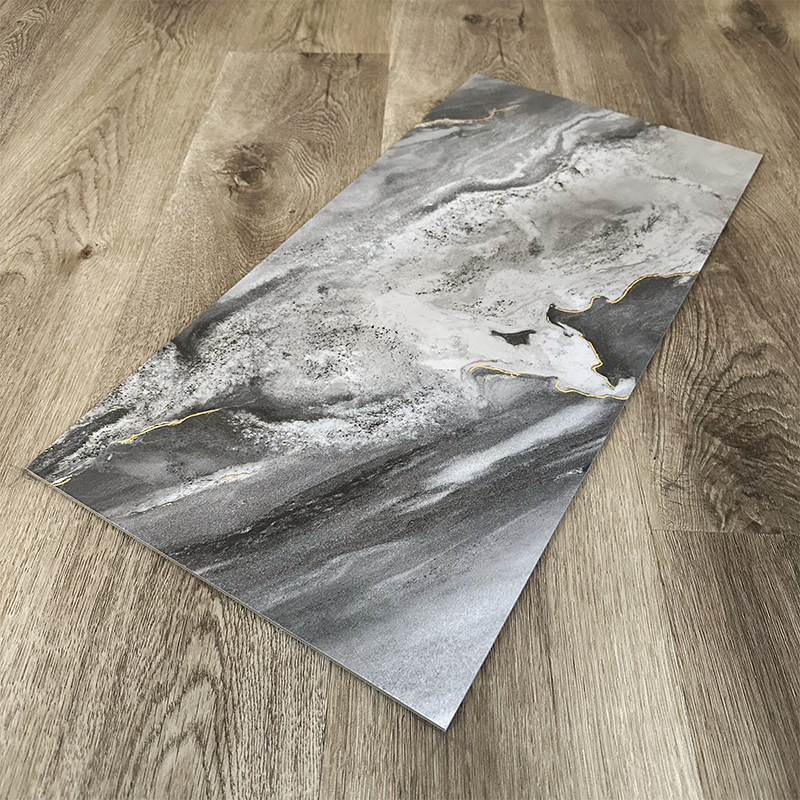
Design Versatility: Advanced finishes, such as the Durable Golden Marble Bamboo Charcoal Panel, allow for luxury aesthetics at a fraction of the weight and maintenance cost of real stone.
Compliance Realities: Commercial viability depends heavily on verifying supplier fire ratings and ensuring proper substrate preparation during installation.
The Commercial Challenge: Material Failure in High-Traffic Zones
High-traffic commercial zones endure relentless daily abuse. We must define these specific stressors clearly. Luggage carts crash violently into hotel corridor walls. Housekeeping carts scrape along baseboards every single morning. Retail lobbies experience heavy, constant foot traffic from thousands of daily visitors. Public restrooms face rigorous chemical cleaning cycles. These spaces demand extreme material resilience. A weak surface will fail rapidly under such hostile conditions.
Traditional materials leave a massive gap in commercial functionality. Standard drywall dents far too easily. It requires constant mudding, sanding, and painting. Wallpaper tears at the seams. Facility teams spend countless hours on frustrating touch-ups. Natural wood and stone look absolutely gorgeous. However, they remain highly cost-prohibitive to scale across hundreds of rooms. Repairing a cracked marble slab requires specialized masonry skills. Phenolic panels offer incredible durability. Hospitals and schools use them frequently. Yet, they often lack the luxury aesthetic required for high-end hospitality environments. They look too institutional for a premium brand.
A viable replacement must deliver on three strict success criteria. First, it needs superior impact resistance to survive cart collisions. Second, it must allow rapid installation. Dry installation methods keep revenue-generating rooms online. Finally, it has to offer premium visual fidelity. Guests expect a luxurious experience. The chosen material must look authentic, feel premium, and perform flawlessly.
Common Mistake: Facility managers often specify residential-grade wallpaper for commercial corridors to save upfront costs. This leads to rapid peeling and frequent, expensive replacement cycles within the first twelve months.
Technical Evaluation: Why the Carbon Crystal Wall Panel Survives Commercial Use
How do these panels survive such intense commercial abuse? The secret lies in their core composition. Manufacturers extrude finely milled bamboo charcoal directly into a carbon crystal matrix. This specialized extrusion process creates incredible structural integrity. We see a material density and compression strength far exceeding traditional MDF. It also outperforms standard PVC sheets. When a heavy luggage cart strikes the wall, the dense core absorbs and distributes the kinetic energy. It resists puncturing and deep gouging effectively.
Hospitality settings also require strict adherence to hygiene standards. Housekeeping efficiency dictates daily operational success. The surface of a carbon crystal wall panel is completely non-porous. It repels liquid entirely. Moisture cannot penetrate the core. This blocks dangerous mold growth in humid environments like hotel bathrooms or spa facilities. Furthermore, cleaning teams love these surfaces. Staff can wipe down entire corridors in minutes. They do not need to scrub grout lines. They do not worry about staining porous stone.
Fire safety remains a non-negotiable factor in commercial architecture. We must emphasize compliance realities here. The bamboo charcoal core is inherently flame-retardant. It resists ignition naturally. However, commercial buyers must practice rigorous due diligence. You must request specific local fire certifications from your supplier. Do this before writing your final specification. Always ask for Class A ASTM E84 standard documents in North America. In Europe, demand the EN 13501-1 equivalent. Never assume a generic label guarantees strict building code compliance.
Best Practice: Always request independent, third-party lab test results regarding fire and smoke spread ratings. Keep these documents on file for the local fire marshal's inspection.
Achieving Luxury at Scale: The Durable Golden Marble Bamboo Charcoal Panel
Interior designers often face a harsh compromise in high-traffic zones. They routinely choose durable, uninspiring materials over fragile, beautiful ones. They sacrifice brand identity for basic longevity. You no longer need to make this frustrating sacrifice. Modern manufacturing bridges the gap between raw strength and refined beauty.
The Durable Golden Marble Bamboo Charcoal Panel represents a highly strategic upgrade. It perfectly replicates the high-end look of heavy natural stone. High-definition printing technology creates stunning visual depth. UV-cured topcoats mimic the exact gloss of polished marble. Yet, it carries none of the massive structural load. It completely eliminates the inherent fragility of real stone slabs. You bypass the need for specialized, expensive masonry labor entirely. Carpenters can cut and install these panels using standard woodworking tools.
Large-scale commercial rollouts demand strict uniformity. Imagine outfitting three hundred hotel rooms simultaneously. Natural marble varies wildly in color, veining, and texture. One slab looks entirely different from another. Vein matching across a large hotel lobby becomes a logistical nightmare. Manufactured panels solve this issue instantly. They guarantee strict batch consistency. Every single room looks absolutely identical. You maintain strict brand standards across your entire property portfolio easily.
Key Advantages Over Natural Stone
Weight Reduction: Reduces structural load on interior framing drastically.
Seamless Integration: Allows for precision cutting around outlets and fixtures on-site.
Zero Porosity: Requires no chemical sealing to prevent liquid stains.
Aesthetic Control: Ensures exact color matching across multi-phase renovation projects.
ROI and Operational Economics for Hotel Renovations
Installation speed directly impacts a hotel's bottom line. Fast, dry-installation methods generate substantial financial returns. Traditional wet trades require mixing messy mortar and grout. They generate massive amounts of dust. They require long curing times. You must wait days before letting guests into the room. Dry installation bypasses all these delays. Installers use construction adhesives and interlocking edge profiles. They mount the panels directly over existing substrates. Rooms come back online much faster. This rapid turnaround generates booking revenue sooner.
Over time, the financial benefits compound significantly. You eliminate expensive periodic painting schedules. You stop replacing torn, stained wallpaper every three years. You avoid hiring specialized contractors for stone polishing services. The panels resist fading, scratching, and moisture damage indefinitely. The initial material investment pays off rapidly through these extensive long-term operational savings. Facility budgets shrink because maintenance requirements drop to near zero.
To clarify this economic advantage, we developed a simple comparative analysis. We framed the initial installation speeds against long-term maintenance needs. This helps buyers visualize the extended renovation cycles.
Material Economics Comparison Chart
Material Type
Installation Speed
Maintenance Needs
Impact Resistance
Commercial Wallpaper
Moderate
High (Frequent tears)
Low
Natural Marble Stone
Very Slow (Wet trade)
High (Requires sealing)
High (But brittle)
Carbon Crystal Panel
Very Fast (Dry install)
Minimal (Wipe clean)
Very High
Implementation Risks and Procurement Realities
We must address installation limits transparently. Substrate preparation dictates the final visual quality. Walls do not need perfect flatness. The rigid panels bridge minor imperfections easily. However, extreme unevenness requires immediate attention. A wall bowing more than a quarter-inch over ten feet will cause panel lippage. You must install wooden furring strips first. Alternatively, contractors must perform structural leveling. Never force a rigid panel onto a deeply curved wall. The adhesive will eventually fail under tension.
Even tough panels possess vulnerable points. Exterior corners and longitudinal seams represent potential failure zones in high-traffic corridors. Luggage carts constantly clip outside corners. We highly recommend using commercial-grade edge trims. Installers should use durable aluminum profiles. Stainless-steel edge strips also protect these vulnerable junctions effectively. Do not use cheap plastic trims in commercial settings. They will crack upon the first significant impact.
Vetting B2B suppliers requires strict logic and patience. The global market contains varying quality tiers. Buyers should follow a rigid shortlisting process to protect their investment.
Demand physical samples: You must conduct your own scratch and impact testing on-site. Use a key or a coin to test the UV coating.
Verify Minimum Order Quantities (MOQs): Check these requirements early. Custom colors and matched marble veins often require large volume commitments.
Review warranty terms carefully: Ensure the warranty explicitly covers commercial applications. Standard residential warranties often void immediately under heavy hotel use.
Check joining systems: Request physical demonstrations of their interlocking seams to ensure a flush fit.
Best Practice: Always order a 10% material overage for large projects. This ensures you have perfectly color-matched panels stored on-site for any future localized repairs.
Conclusion
Carbon crystal wall panels prove to be a highly strategic, viable upgrade for commercial spaces. They successfully bridge the gap between premium aesthetics and brutal durability. They easily withstand the unique stressors of hospitality environments. The rapid, dry installation process keeps properties operational and profitable. Advanced designs deliver stunning visual fidelity without the massive weight of natural stone. However, commercial success is not automatic. It requires careful procurement. The buyer must prioritize proper edge trims during installation. You must rigorously verify fire ratings and compliance certificates.
Take action on your next renovation project confidently. First, contact a reputable supplier to request a commercial sample kit. Second, review the technical specification sheets alongside your local fire marshal. Finally, consult a specialized installation contractor to build a pilot room mockup. Testing the material in a single room guarantees alignment across your entire stakeholder team.
FAQ
Q: Are carbon crystal wall panels acoustically rated for hotel rooms?
A: They offer a highly dense mass. This helps dampen ambient sound slightly. However, they are not a replacement for dedicated acoustic insulation. You should integrate them as part of a layered wall assembly for optimal soundproofing.
Q: How do you clean and sanitize these panels in a hospitality setting?
A: Keep cleaning protocols simple. Housekeeping should use standard non-abrasive commercial cleaners alongside microfiber cloths. Warn your staff against using harsh industrial solvents. Corrosive chemicals can permanently degrade the protective UV-cured surface layer.
Q: Can these panels be installed directly over existing hotel wallpaper or tile?
A: Yes, in most commercial cases. The existing surface must remain firmly adhered and structurally sound. This dry-over-dry method heavily reduces expensive demolition costs and slashes renovation downtime.
The company was established in 2018 and specializes in new environmentally friendly indoor decorative materials such as SPC flooring, WPC flooring, carbon crystal flooring, wood veneer panels, and carbon crystal wall panels.