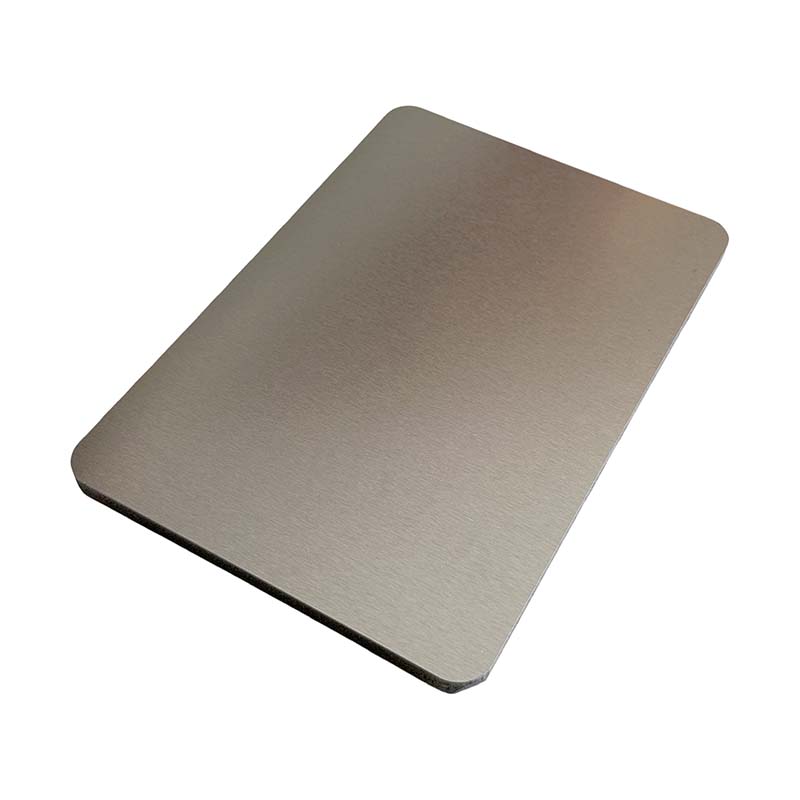
Modern interior design frequently incorporates organic curves and cylindrical pillars. You will often see these sweeping lines in high-end lobbies and corporate spaces. However, these architectural features present a notable challenge when specifying rigid cladding materials. Contractors and designers must constantly balance seamless aesthetics against material viability. Finding a product capable of wrapping structural columns without cracking remains a widespread industry hurdle.
Fortunately, specialized installation techniques allow certain composite boards to bridge this gap. While a standard carbon crystal panel is engineered for flat-surface rigidity, it can adapt to curved features. Proper modification ensures the panel maintains its structural integrity and waterproof properties.
This guide evaluates the technical feasibility of applying these panels on rounded surfaces. We explore the required implementation methods and potential material risks. We aim to help you determine if this solution aligns perfectly with your current project specifications.
Key Takeaways
Feasibility: Yes, carbon crystal panels can wrap curves, but they require physical modification (such as back-grooving) or thermal manipulation; they are not naturally flexible out of the box.
Implementation: Wrapping pillars relies on calculating the minimum bending radius and utilizing precise V-grooving on the panel's reverse side to prevent surface cracking.
Aesthetic Continuity: High-end finishes, such as a Gold Metal Carbon Crystal WPC Wall Panel, can be successfully applied to columns, maintaining visual consistency across flat and curved commercial spaces.
Risk Mitigation: Success depends heavily on installer expertise, appropriate adhesive selection, and respecting the material's structural tolerance to avoid delamination.
The Physics of the Panel: Inherent Rigidity vs. Adaptability
Understanding panel behavior requires a close look at its foundational material composition. Manufacturers build the core structure using an extruded polymer matrix. They blend PVC resins and dense wood powder. This composite then receives a highly durable carbon crystal layer. Finally, a protective surface film seals the entire board. This multi-layer construction naturally defaults to a rigid state. The extrusion process aligns the polymer molecules to resist impact. This gives the board exceptional structural stability for flat interior walls.
You must differentiate between natural flexibility and modified flexibility. Out of the box, natural flexibility is incredibly low. If you try to bend a solid 8mm board around a standard pillar, the core will snap. The tension forces simply exceed the polymer's structural limits. However, modified flexibility unlocks new design possibilities. Installers alter the physical state of the board. They remove material from the back or apply heat to change the polymer's rigidity. These modifications lower the bending threshold significantly.
Buyers often express skepticism regarding performance after modification. They ask if bending the panel compromises its moisture-proof or fire-retardant certifications. The answer relies entirely on the surface film. The core remains fundamentally waterproof. If the bending process does not tear or breach the front protective film, the moisture barrier remains intact. Fire-retardant properties also hold steady. The material composition itself resists flame spread. Physical bending does not alter this chemical resistance.
Technical Approaches to Wrapping Curves and Columns
Method 1: The Back-Grooving (V-Groove) Technique
The back-grooving technique stands out as the most reliable modification method. Installers use a CNC machine or a specialized handheld router. They mill vertical V-shaped channels into the back of the board. The router bit cuts through the rigid core but stops millimeters short of the front veneer. This removes the bulk of the rigid material. The remaining thin layer of core and surface film acts like a flexible hinge.
This physical modification allows the face to bend inward or outward easily. It is highly predictable. Installers frequently utilize back-grooving for tight radiuses. It works perfectly for 90-degree corners and standard structural pillars. You can calculate the exact spacing of the grooves based on the column's circumference.
Method 2: Thermal Manipulation (Heat Bending)
Thermal manipulation offers an alternative for specific architectural shapes. Installers apply controlled, localized heat to the board. They use industrial heat guns to soften the polymer core. The heat temporarily alters the molecular bonds. The board becomes pliable enough to form gentle, sweeping curves.
This technique requires extreme patience. You must heat the material slowly to prevent bubbling. Thermal manipulation works best for large-radius organic walls. It excels on gentle undulating surfaces. You rarely use heat bending for sharp corners or narrow pillars. The material simply cannot stretch enough without tearing.
Adhesion and Fastening on Curves
Standard mechanical clips work beautifully on flat walls. However, curved installations demand a complete shift in fastening strategy. You cannot rely on standard clips to hold a panel under tension. Instead, the process transitions to high-tack structural adhesives.
Installers apply a premium polyurethane-based construction adhesive to the grooved back.
They press the flexible board firmly against the cylindrical substrate.
They deploy temporary banding or heavy-duty ratchet straps.
The straps hold the board tightly in place during the critical curing window.
This combination ensures a permanent bond. The adhesive fills the gaps and reinforces the curved structure once fully cured.
Modification Method
Ideal Application
Primary Tooling
Surface Tension Risk
Back-Grooving (V-Groove)
Tight pillars, 90-degree corners
CNC Router, V-groove bits
Low (if depth is accurate)
Thermal Manipulation
Large sweeping walls, gentle arcs
Industrial heat guns
High (risk of blistering)
Evaluating Aesthetic Options for High-Profile Spaces
Commercial spaces demand flawless visual execution. Using the same material on flat walls and central columns creates immense business value. It establishes consistency across diverse surfaces. This approach avoids abrupt visual disruption. Picture a luxury hotel lobby or a modern corporate boardroom. You want the eye to travel smoothly across the room. Mixing distinct cladding materials on pillars often breaks this visual flow. Wrapping columns ensures a cohesive architectural identity.
Working with premium finishes requires additional planning. Highly reflective surfaces behave uniquely under tension. For instance, a Gold Metal Carbon Crystal WPC Wall Panel features a brilliant metallic luster. Light reflects differently off a curved metallic surface compared to a flat one. A curved metallic column catches light from multiple angles, creating a striking focal point.
However, you must prevent surface creasing during installation. Metallic films show imperfections instantly. If an installer applies uneven pressure, micro-creases can form. These creases disrupt the light reflection and degrade the premium aesthetic. Precise back-grooving prevents these visible tension lines.
You also need to distinguish between cornering and wrapping. Sharp angular pillar wrapping involves flat boards meeting at 90-degree angles. This method usually requires metal edge trim to hide the joints. Seamless cylindrical wrapping creates a continuous flow. It eliminates the need for harsh edge trims. Seamless wrapping elevates the overall design, making the column appear as a solid, monolithic structure.
Implementation Risks and Structural Limitations
Designers must respect the material's physical boundaries. The minimum radius rule dictates success or failure. There is a strict mathematical limit to how tightly a board can bend. Even utilizing precise back-grooving, you cannot wrap a microscopic circumference. If you exceed the bending threshold, two things happen. First, the remaining core hinge snaps. Second, the decorative film tears openly. Manufacturers usually specify these exact radius limits. You must verify your pillar dimensions against these mathematical limits before proceeding.
Risk of delamination represents another major hurdle. Delamination occurs when the protective film separates from the underlying core. Improper heat application directly causes this failure. If you heat a PVC veneer too quickly, the adhesive layer melts. The film then bubbles and pulls away. Excessive mechanical tension causes similar issues. If you force a board around a curve too rapidly, the outer film stretches beyond its yield point. It will eventually peel away from the carbon crystal base.
Installer competency mitigates these risks. Curved applications require advanced carpentry skills. Workers need specialized tooling and extensive material knowledge. A standard drywall crew might struggle with this task. You must hire specialists experienced in composite modifications. Consequently, this expertise alters project timelines. Grooving, measuring, and strapping columns takes considerably more time. You must factor these specialized labor requirements into your project scheduling.
Shortlisting Logic: Specifying the Right Panel for Curves
Selecting the correct material directly impacts the installation quality. Thickness and density play crucial roles here. Thinner boards generally handle tight curvature better. A 5mm board bends much easier than an 8mm or 9mm board. Thinner cores require shallower V-grooves. This reduces the risk of cutting through the veneer accidentally. Core density also matters. A highly dense, uniform core allows for incredibly clean router cuts. Poorly mixed cores can chip during the grooving process. Chipping creates uneven hinges, leading to bumpy curves.
Veneer quality serves as a major evaluation dimension. High-grade, resilient PET or PVC surface films are non-negotiable for curved applications. Cheaper paper-based laminates will crack immediately upon bending. High-quality polymer films possess inherent elasticity. This elasticity prevents micro-fracturing at the bend apex. Always specify premium laminates when planning rounded installations.
Project managers should implement strict next-step actions. Never order materials blindly for curved features.
Always request physical material samples from the manufacturer.
Perform a localized bend test on-site using your actual pillar dimensions.
Consult directly with the engineering team regarding specific radius tolerances.
Test your chosen polyurethane adhesive on a small sample to verify bond strength.
Following these steps ensures your chosen Carbon Crystal Panel will perform exactly as expected.
Conclusion
We can confidently conclude that a carbon crystal board is highly capable of wrapping curved walls and pillars. It simply requires the correct preparation and specialized installation techniques. You cannot bend these rigid boards straight out of the box. However, executing precise back-grooving or careful thermal manipulation transforms them into highly adaptable cladding solutions.
Standardizing your flat and curved surfaces using one material creates a profoundly premium aesthetic. The seamless visual flow elevates any commercial environment. Yet, buyers must account for the specialized labor involved. You must respect the precise structural limits to avoid delamination or cracking.
Take action early in your design phase. Request technical specification sheets from your supplier. Order test samples and perform physical bend tests. Consult with engineering teams to calculate the exact V-groove depth required for your specific pillar dimensions. Proper planning guarantees a flawless, sophisticated finish.
FAQ
Q: What is the minimum bending radius for a standard carbon crystal panel without back-grooving?
A: A standard panel possesses very limited natural flexibility. You generally need a massive bending radius exceeding several meters to bend it cold without modification. If you attempt a tighter curve, the core will snap. Architectural pillars feature much smaller diameters. Therefore, back-grooving is almost always necessary to achieve these tight wraps successfully.
Q: Will grooving the back of the panel weaken its structural integrity?
A: Grooving removes rigid core material, which makes the board temporarily fragile during handling. However, the panel achieves final structural rigidity once properly adhered to the solid cylindrical substrate. The pillar itself provides the necessary support. The cured polyurethane adhesive fills the voids, ensuring a strong, permanent installation.
Q: Can a Gold Metal Carbon Crystal WPC Wall Panel be heat-bent without damaging the metallic finish?
A: Metallic-style laminates possess distinct thermal tolerances. Applying excessive heat can quickly warp the reflective metallic layer. This warping destroys the visual appeal of the premium finish. Cold-bending via precise V-grooving provides a much safer alternative. It protects the surface integrity while allowing accurate wraps around structural columns.
Q: Does bending the panel void the manufacturer's warranty?
A: Buyers must verify specific warranty conditions before modifying materials. Some manufacturers only cover flat-surface installations. They will void the warranty if the board cracks during unauthorized bending. However, many brands approve curved installations if you utilize their precise, documented modification techniques. Always request written approval for curved applications.
The company was established in 2018 and specializes in new environmentally friendly indoor decorative materials such as SPC flooring, WPC flooring, carbon crystal flooring, wood veneer panels, and carbon crystal wall panels.