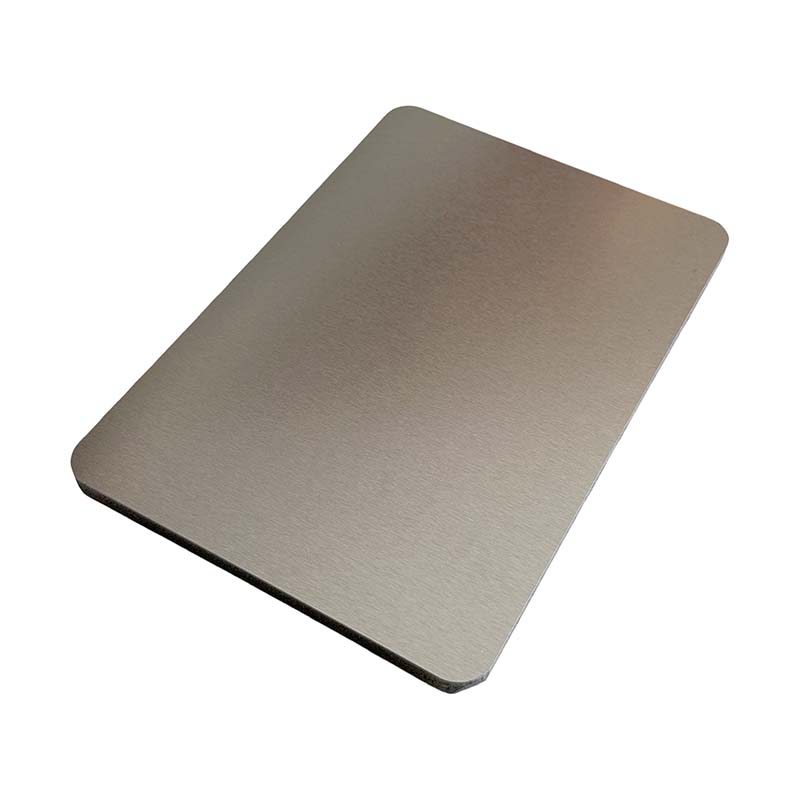
Architects and designers frequently face a tough interior challenge. They need seamless designs around structural columns. They want clean wraps around sharp corners. They desperately want to avoid ugly transition trims. Can a carbon crystal board solve this specific architectural problem? Yes, you can manipulate it to wrap around columns. You can also form exact 90-degree corners. However, the material is not inherently flexible out of the box. Installers must use specific fabrication techniques. These methods include precise routing or controlled thermoforming.
Our guide sets an evidence-based baseline for you. We break down the absolute physical limits of curving these panels. We explore exact processing methods required for success. You will learn about installation risks for commercial and residential fit-outs. We will show you exactly how to achieve flawless curves.
Key Takeaways
Feasibility: Carbon crystal panels can achieve both 90-degree folds and cylindrical curves when properly processed.
Limitations: Bending radius depends strictly on panel thickness and the elasticity of the surface film.
Risk Factor: Improper bending can lead to surface film delamination or micro-cracking, particularly with specialty finishes like a Gold Metal Carbon Crystal WPC Wall Panel.
The Physics of Carbon Crystal Boards: Why They Can Bend
Traditional rigid materials present major obstacles for curved walls. Standard MDF or natural stone will crack under tension. You must use joint seams when navigating sharp corners. This ruins the desired seamless aesthetic. You lose the visual continuity completely.
Let us examine the material composition closely. Extruded carbon crystal panels combine three main ingredients. They use natural bamboo or wood fiber. They incorporate high-quality PVC resin. Manufacturers also blend in fine carbon powder. This specific mixture creates a dense, highly stable core.
The real magic lies in its thermoplastic advantages. The PVC resin acts as a versatile thermoplastic binder. Installers apply targeted heat safely. The internal resin softens rapidly. The board becomes incredibly pliable. It bends easily around molds. Once cooled, it regains full structural integrity.
You must meet strict success criteria during installation. A successful bend maintains a continuous grain. The exterior pattern must remain pristine. You cannot stress or fracture the substrate. If the core cracks, the entire bend fails.
Two Standard Methods for Curving and Cornering
Professional installers rely on two proven techniques. Let us explore each method in detail.
Method 1: The V-Groove Technique (For 90° Corners)
This method targets sharp external or internal corners perfectly. You can easily hide square structural pillars. It provides a flawless continuous wrap.
How it works in practice:
Place the panel face down on a clean, flat workstation.
Use a precision CNC router or guided track saw.
Cut a precise V-shaped groove directly into the back.
Leave the decorative surface film completely intact.
Leave exactly one millimeter of substrate behind the film.
Fold the panel gently along the groove.
Create a clean, sharp 90-degree angle.
This specific application is perfect for sharp geometry. You achieve a continuous finish effortlessly.
This method creates smooth, continuous curves. It works beautifully for large architectural columns. You can also clad curved reception desks easily.
How it works in practice:
Secure specialized industrial heating equipment.
Apply uniform, highly controlled heat to the panel back.
Soften the internal PVC resins safely and evenly.
Wrap the pliable panel around a cylindrical mold.
You can also wrap it directly around the column itself.
Hold the material firmly in place using clamps.
Allow the panel to cure and cool completely.
This application transforms rigid boards into stunning organic shapes.
Evaluating Bendability Limits: What You Can and Cannot Do
You must respect physical material limits at all times. You cannot force impossible curves safely.
Minimum Bending Radius
Realistic physical limits depend heavily on panel thickness. A thin 5mm board bends much easier than an 8mm board. Thick boards have drastically different minimum radii. You must plan your architectural curves accordingly.
We have provided a reference profile below mapping thickness to radius limits.
Panel Thickness
Minimum Bending Radius
Application Suitability
5mm
150mm - 200mm
Tight columns, small furniture curves
8mm
300mm - 400mm
Large architectural pillars
10mm
600mm+
Gentle wall sweeps, broad reception desks
Surface Film Elasticity
The composite core might bend easily. However, the decorative surface film dictates the true limit. PVC wood-grain films stretch quite well. They handle heat and tension gracefully. They forgive minor over-stretching during installation.
Specialty Finish Risks
Highly rigid or metallic films behave differently under tension. For example, a Gold Metal Carbon Crystal WPC Wall Panel requires extreme caution. Metallic PET films possess much less stretch. They are highly prone to wrinkling. If you force them, they will snap loudly. You must apply heat gradually. Test a small off-cut first before bending full sheets.
Long-Term Tension
Curved panels experience continuous physical stress endlessly. They want to return to their original flat state. We call this "spring-back" risk. If the material lacks proper adhesion, it will peel away. You must cure it correctly to the curved substrate.
Implementation Risks and Installation Realities
A flawless corner requires professional execution every time. Let us review essential tooling and specialized adhesives.
Tooling Requirements
You cannot use makeshift tools safely. Precision matters immensely for curved installations.
CNC Routers: Use these machines for precise V-grooves. Track saws work well for straight, simple runs.
Industrial Heat Blankets: These tools provide perfectly even temperature distribution. They prevent localized burning.
Specialized Heat Guns: Use them carefully for minor localized warming. Keep the gun moving constantly.
You must avoid open flames entirely. Uneven heat causes immediate material failure.
Adhesive Selection
Standard construction adhesives often fail on curved tension points. They cannot handle continuous spring-back force effectively. You need specialized bonding agents.
Specify high-tack, rapid-curing structural polyurethane. Some specific contact adhesives also perform remarkably well. They grab the panel instantly. They hold the tension firmly while the panel cools.
Common Failures to Avoid
Installation errors ruin expensive materials quickly. Watch out for these three specific failures.
Whitening: This causes ugly discoloration of the surface film. You stretched it beyond its thermal threshold. The plastic degrades visibly.
Snapping: This happens during careless V-grooving. You routed the groove too deep. The router bit pierced the decorative face. The panel is now ruined completely.
Delamination: Heat-bending can separate the core from the laminate film. This usually happens due to uneven temperature distribution. The internal glue layer melts unevenly.
Cost vs. Outcome: Is This the Right Material for Your Curved Walls?
Weigh your design options carefully. Carbon crystal offers highly unique benefits for curved spaces.
Labor vs. Material Cost
The boards themselves remain highly cost-effective upfront. You save money on raw materials initially. However, complex installations change the project budget. Custom on-site routing increases daily labor costs. Heat-bending requires highly skilled technicians. This adds considerable time to your project. You must balance material savings against specialized labor rates.
Alternatives Comparison
How does it compare against other curved solutions? Let us briefly weigh the popular options.
Flexible MDF bends easily around tight columns. However, it lacks a pre-finished surface completely. You must paint or veneer it later. This adds painting labor.
Tambour or fluted panels handle curves naturally. But they force a slatted, textured aesthetic. You cannot get a smooth, solid marble look.
Traditional curved drywall takes several days to finish. Installers must tape, mud, and sand multiple times. It creates massive dust clouds on site.
Carbon crystal provides a fully pre-finished, dust-free solution.
Review this comparison chart below for clear differentiators.
Material
Curving Method
Pre-Finished?
Moisture Resistance
Carbon Crystal
Heat/Routing
Yes
High
Flexible MDF
Kerf Cuts
No
Low
Standard Drywall
Wetting/Scoring
No
Low
Shortlisting Logic
Use this simple logic to make your final material choice.
Choose Carbon Crystal if: You need high impact durability. You want excellent moisture resistance. You demand a specific seamless decorative finish. You want to carry stone or metal continuously around a sharp corner.
Avoid if: The column radius is exceptionally tight. Anything under 150mm might cause the panel to fracture instantly.
Conclusion
Our final verdict is highly positive. A Carbon Crystal Board is extremely capable of navigating corners. It wraps around round columns beautifully. However, the installation team must understand the physical constraints. They need exact V-groove knowledge. They must master controlled heat-forming techniques.
Here are the actionable next steps for buyers.
First, request off-cut samples immediately. Test the flexibility of your chosen finish yourself.
Second, verify technical details with your suppliers. Ask if their specific panel thickness is rated for heat-bending. Confirm the surface film elasticity ratings.
Finally, vet your installation contractor rigorously. Ensure they have verifiable field experience. They must know how to handle thermoplastic WPC materials correctly.
FAQ
Q: Does bending a carbon crystal board void the manufacturer's warranty?
A: It depends heavily on your specific methods. Factory-approved installation methods usually retain warranties fully. This includes proper V-grooving and controlled thermoforming. However, improper DIY bending often voids the warranty completely. Forcing a cold panel or using open flames violates material guidelines. Always consult your supplier before modifying the panels structurally.
Q: Can you bend carbon crystal panels on site, or does it require factory processing?
A: You can successfully do both. Installers easily perform V-grooving on-site using standard track saws. This makes 90-degree corners simple. However, complex heat curving is vastly different. We highly recommend doing this in a controlled workshop. Heat blankets require stable environments to prevent uneven curing.
Q: Will the color or pattern distort when wrapped around a column?
A: Yes, slight visual distortion can occur. Visual distortion depends on surface stretching limits. Wood grains hide stretching quite well. Solid colors and metallic finishes show stress marks easily. If you overheat the film, it may turn white or lose its gloss. Proper heat distribution prevents severe distortion.
Q: How do you hide the seam when wrapping a full 360-degree column?
A: You have two main aesthetic options. First, you can use specialized joining profiles. These metal or PVC trims cap the edges perfectly. Second, you can use precision color-matched caulking. Installers leave a tiny gap between the panels. They fill it carefully for a seamless final closure.
The company was established in 2018 and specializes in new environmentally friendly indoor decorative materials such as SPC flooring, WPC flooring, carbon crystal flooring, wood veneer panels, and carbon crystal wall panels.