Designing a wet room is a high-stakes endeavor. If your chosen wall cladding fails, you face costly structural damage. You also face intensive mold remediation and significant downtime. Water always finds the weakest link in any bathroom environment.
Homeowners and designers increasingly turn to alternative materials over traditional tile. However, skepticism remains around marketing claims promising absolute, flawless waterproofing. When you invest in a bathroom upgrade, you need solid facts. You cannot rely on flashy brochures or vague guarantees.
This guide objectively evaluates the moisture resistance of modern cladding technologies. We examine implementation risks, material capabilities, and exact wet-room suitability. You will learn exactly where these panels thrive and where they demand extra caution.
Key Takeaways
Material Capability: The core composite (often bamboo charcoal and PVC) is inherently impervious to water, but overall system waterproofing depends entirely on joint execution.
Zone Suitability: Highly effective for ambient moisture zones (vanities, ceilings) and suitable for direct-water zones (shower enclosures) *only* if installed with specialized waterproof extrusions and sealants.
Maintenance Advantage: Eliminates grout lines, significantly reducing the risk of localized mold growth and water ingress compared to traditional tiling.
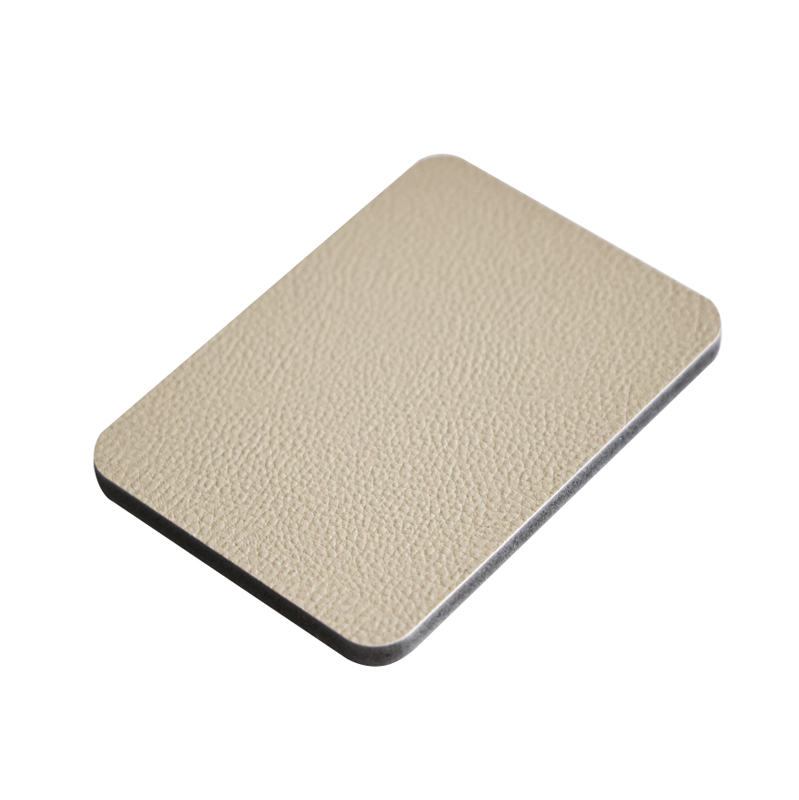
Design Variations: Options like the waterproof leather texture bamboo charcoal panel offer distinct aesthetic benefits but require specific maintenance considerations in heavy splash zones.
The Material Reality: What Makes a Carbon Crystal Wall Panel Water-Resistant?
Understanding moisture resistance requires looking beneath the surface. You must evaluate the technical composition of a carbon crystal wall panel to understand its structural limits. It relies on a three-tier system: the core, the surface, and the adhesive.
Core Composition
The structural heart of the panel utilizes an advanced extrusion process. Manufacturers combine bamboo charcoal powder, PVC resins, and calcium carbonate. This creates a dense, rigid substrate. Unlike wood or gypsum, this mixture lacks organic fibers that absorb moisture. It does not swell. It does not warp. It will not degrade when exposed to heavy humidity. The PVC resin encapsulates the charcoal dust, creating a naturally inert core. Even if water reaches the back of the panel, the core remains physically stable.
Surface Technology
The outer layer provides the primary defense. The carbon crystal layer acts as a specialized shield. Manufacturers apply a heat-fused film to the core substrate under extreme pressure. This process creates a non-porous, hydrophobic barrier. Water cannot penetrate this surface. Instead of absorbing, droplets bead up and run down the wall. This hydrophobic behavior actively prevents moisture from sitting on the material. It dramatically accelerates drying times in busy bathrooms.
Adhesive Layering
A waterproof core and surface mean nothing if the layers separate. Inferior panels often suffer from delamination in high-humidity environments. High-grade panels solve this by using polyurethane (PUR) hot-melt adhesives. PUR adhesives undergo a chemical cross-linking process when they cure. They resist high-humidity degradation effortlessly. They do not reactivate or weaken when exposed to steam. This ensures the decorative film stays permanently bonded to the bamboo charcoal core.
Wet Room Zoning: Where Do These Panels Actually Belong?
Not all bathroom walls endure the same water exposure. Industry professionals divide bathrooms into specific zones to specify materials correctly. We must frame our solutions around realistic application limits.
Zone 1 (Direct Water / Shower Enclosures)
This area surrounds the shower head and tray. It receives direct, forceful water spray daily.
Verdict: Conditionally suitable.
Requirements: You must execute flawless joint sealing. Water will not penetrate the panel face itself. However, constant hydrostatic pressure will test every single seam. Installers must use specialized aluminum extrusions and high-grade silicone to guarantee a watertight seal. Without proper seam management, capillary action will draw water behind the cladding.
Zone 2 (Splash Zones / Near Basins & Baths)
This zone includes the areas immediately adjacent to sinks and bathtubs. It experiences frequent splashing but lacks direct, continuous water pressure.
Verdict: Highly recommended.
Benefits: The panels easily wipe clean with a standard cloth. They withstand daily splashing without requiring the intensive grout maintenance of traditional tiles. They protect the underlying drywall from soapy residue and frequent water contact.
Zone 3 (Ambient Moisture / Changing Areas & Ceilings)
This covers the rest of the room. It handles steam, condensation, and fluctuating humidity rather than direct liquid water.
Verdict: Ideal.
Benefits: The composite core offers excellent dimensional stability against steam. Installing these panels on ceilings prevents condensation damage and eliminates peeling paint. They regulate the ambient moisture impact perfectly.
Common Mistakes: Using untreated MDF trims in Zone 1 or Zone 2. Always match your trim material to the specific moisture zone to prevent localized rotting.
Bathroom Zone
Water Exposure Level
Suitability Verdict
Core Installation Requirement
Zone 1 (Showers)
Direct, high pressure
Conditionally Suitable
Sanitary silicone, H-channel trims, full watertight joints
Zone 2 (Splash)
Frequent splashing
Highly Recommended
Standard perimeter sealing, tight panel joints
Zone 3 (Ambient)
Steam, condensation
Ideal
Standard adhesive application, standard edging
Carbon Crystal Panels vs. Traditional Wet Room Materials
Evaluating features against real-world outcomes reveals the true value of a Carbon Crystal Wall Panel. Let us compare it directly to the established industry standards.
1. Versus Ceramic and Porcelain Tiles
Tiles dominate bathroom design, but they possess a fatal flaw: grout.
Panels eliminate porous grout lines entirely. Grout serves as the primary failure point for wet room leaks and black mold growth. By removing grout, you remove the maintenance headache. Furthermore, large-format panels offer a vastly faster installation time. You can often reduce labor timelines by up to 50% because you eliminate mixing mortar, setting spacers, and curing grout.
2. Versus Acrylic Shower Surrounds
Acrylic provides a cheap, seamless waterproof barrier. However, it often feels flimsy and looks decidedly commercial.
The composite core offers much higher rigidity and impact resistance than thin acrylic. It does not flex when you press against it. Additionally, it avoids the "cheap plastic" aesthetic. The high-definition surface films provide highly realistic stone, marble, or wood finishes. You get the seamless benefits of acrylic but the premium look of heavy masonry.
3. Versus Standard MDF or Plywood Backed Wet Panels
Traditional wet wall panels often use an exterior-grade plywood or MDF core wrapped in laminate.
This creates a massive vulnerability. If you scratch the surface deeply, or if a joint seal eventually fails, water hits the wood core. Wood swells, rots, and blows the panel apart from the inside. The bamboo charcoal and PVC core presents zero risk of core-swelling. Even if a joint fails, the substrate itself remains completely unaffected by the moisture.
Selecting Finishes: Is a Waterproof Leather Texture Bamboo Charcoal Panel Practical?
Designers love pushing aesthetic boundaries in bathrooms. However, you must carefully balance high-end design with practical wet-room maintenance.
Aesthetic Ambition vs. Practicality
Textured surfaces add incredible depth to a room. They catch the light beautifully and elevate the space from a basic utility room to a luxury retreat. However, texture inherently creates tiny ridges and valleys. In a heavy water environment, these micro-textures can trap soap scum and hard water minerals. You have to clean them more aggressively than flat surfaces.
Textured vs. Smooth in Wet Zones
For direct shower enclosures (Zone 1), professionals strongly prefer smooth, high-gloss, or matte stone finishes. Smooth surfaces allow for faster water runoff. They also permit the easy use of a squeegee after bathing. You simply wipe the wall down in seconds.
Feature Walls: Place them behind vanities or floating toilets.
Freestanding Tubs: Use them as a backdrop where tactile luxury is desired.
Ceiling Applications: Add texture overhead where direct water bombardment is impossible.
By placing textured panels in these zones, you achieve the luxurious, sensory experience you want without creating a daily cleaning burden.
The Real Point of Failure: Installation and Joint Sealing
Material failure rarely causes water damage in modern paneling systems. The vulnerability lies almost exclusively in compromised joints. A premium panel installed poorly will leak on day one.
The Seam Vulnerability
We must state this clearly: water ingress happens at the seams, the corners, and the base. The flat face of the panel will repel water indefinitely. The spaces between the panels require engineered protection.
Connection Methods
Installers generally choose between two systems:
Tongue-and-Groove (T&G): These click together for a nearly seamless look. They work beautifully in Zone 2 and 3. In Zone 1, they require an internal bead of silicone inside the groove before clicking.
H-Channel Aluminum Trims: These metal profiles sit between square-edged panels. They offer superior mechanical waterproofing for high-pressure shower enclosures. They create a distinct visual break but provide the highest level of structural integrity.
Sealant Protocols
You cannot simply run a bead of caulk over a finished seam and expect it to hold. Professional execution requires applying mold-resistant, sanitary-grade silicone inside the joints before pushing the panels together. The silicone must squeeze out, proving the cavity is full. Only then do you wipe away the excess. This creates a solid rubber gasket deep inside the joint.
Substrate Preparation
You must apply these panels to a structurally sound, mold-free wall. The cladding will hide existing dampness visually, but it will not cure underlying plumbing leaks. If your current drywall is rotting, you must remove it. You must fix the leaking pipe. Applying a waterproof skin over a decaying structure only accelerates the internal rot by trapping the moisture inside the wall cavity. Ensure the substrate is dry, flat, and primed before applying the panel adhesive.
Conclusion
Carbon crystal panels offer exceptional capabilities for modern wet rooms. Their inherent material properties make them immune to the swelling and warping that plague traditional wood-core products. However, their ultimate success depends heavily on proper zone specification and rigorous installation methods.
When you align the right finish with the right moisture zone and execute the joint sealing perfectly, you create a beautiful, low-maintenance space.
Assess your zones: Map out exactly where direct water will hit and choose your textures accordingly.
Prioritize the joints: Invest in high-grade sanitary silicone and appropriate aluminum extrusions for shower enclosures.
Prepare the canvas: Ensure your underlying walls are dry, secure, and free of active leaks.
Take action: Request a material sample to test the hydrophobic surface yourself. Download a detailed wet-room installation guide from the manufacturer, or consult a technical sales representative to calculate your exact trim and sealant requirements.
FAQ
Q: Can carbon crystal wall panels be installed directly over existing bathroom tiles?
A: Yes, provided the existing tiles are secure and clean, making them ideal for rapid wet room renovations. You must degrease the old tiles thoroughly. A high-grab polyurethane adhesive will bond the new panels directly to the ceramic surface, saving days of demolition work.
Q: Will mold grow behind the panels in a damp bathroom?
A: Not if installed correctly. A continuous adhesive bed and proper perimeter sealing prevent moisture-laden air from reaching the wall cavity. By denying humid air access to the dark space behind the cladding, you eliminate the conditions required for fungal spores to thrive.
Q: Are these panels safe for wet rooms with underfloor heating or steam showers?
A: Suitable for standard heated bathrooms, but commercial steam rooms require specific continuous-temperature ratings; consult the manufacturer's thermal expansion guidelines. Normal residential heating systems will not warp the panels, but industrial steam environments demand specialized expansion gaps.
The company was established in 2018 and specializes in new environmentally friendly indoor decorative materials such as SPC flooring, WPC flooring, carbon crystal flooring, wood veneer panels, and carbon crystal wall panels.