When renovating a bedroom or nursery, the stakes are incredibly high. Aesthetics must never compromise indoor air quality or child safety. Parents and interior designers face a tough balancing act. They want to create beautiful, calming spaces while protecting vulnerable respiratory systems. Traditional methods often complicate this goal.
Recently, a growing trend has emerged. Homeowners are using structural and decorative panels instead of traditional drywall, paint, or wallpaper. Older methods rely on wet materials. These wet materials often emit volatile organic compounds (VOCs) into the air for months. You want a safer, faster alternative for your home. However, evaluating new building materials can easily feel overwhelming.
This article provides an objective, evidence-based evaluation of modern cladding alternatives. We will examine whether a Carbon Crystal Wall Panel meets the strict safety criteria required for sleep and play environments. You will learn about core material chemistry, hidden installation risks, and how to verify manufacturer claims accurately.
Key Takeaways
Material Safety: High-quality carbon crystal wall panels are generally free from harmful VOCs and formaldehyde, making them highly suitable for nurseries—provided they meet strict E0 or equivalent emission standards.
Performance Features: Naturally moisture-resistant and fire-retardant, these panels prevent unseen mold growth behind nursery walls.
Installation Caveat: The safety of a wall panel is only as good as its installation method. Using toxic, unverified adhesives will negate the panel's eco-friendly properties.
Verification is Key: Buyers must demand independent testing certificates (SGS, CE, ISO) rather than relying on manufacturer marketing claims.
Beyond Aesthetics: The Demands of Sleep & Play Environments
Standard room renovations carry hidden risks for sensitive occupants. Fresh paint may look clean and bright. Yet, curing paint releases VOCs into the air over many weeks. Babies and toddlers possess developing lungs. They breathe faster than adults. This makes them highly susceptible to chemical irritants lingering in the environment.
Vinyl wallpaper presents a different but equally serious hazard. Vinyl acts as a vapor barrier on your walls. It often traps moisture behind the paper layer. This trapped moisture creates an ideal breeding ground for black mold. Mold spores trigger asthma and chronic allergies in young children. Furthermore, traditional drywall installation creates massive amounts of fine silica dust. The joint compounds used often contain trace VOCs as well.
Because of these issues, homeowners and designers are shifting strategies. They are moving toward pre-finished modular cladding. Pre-finished panels eliminate wet curing times entirely. They bypass the chemical smells associated with fresh paint and adhesives. Modular systems also speed up the renovation timeline. This allows families to reclaim their living spaces much faster.
We must define strict success criteria for nursery materials. To be viable for sleep and play environments, any material must meet these requirements:
Zero or Low-Emission: The material must not release formaldehyde or toxic gases into the indoor air.
Impact-Resistant: The surface must withstand flying toys, accidental kicks, and daily toddler activity without chipping.
Easily Cleanable: Parents must be able to sanitize the surface quickly without using harsh chemical cleaners.
Fire-Safe: The material must resist ignition and prevent the rapid spread of flames.
Deconstructing the Carbon Crystal Wall Panel: What Are You Actually Buying?
Many buyers feel confused by the terminology surrounding modern wall cladding. We need to demystify the material. At its core, this product uses a highly engineered composite base. Manufacturers fuse bamboo charcoal powder and carbon crystal powder together. They combine these dry powders using eco-friendly resins. The entire mixture undergoes extreme heat and high pressure.
This manufacturing process creates a dense, stable core. The bamboo charcoal provides structural lightness and flexibility. It also possesses natural deodorizing properties. The carbon crystal powder adds immense rigidity and durability. The combination yields a board highly resistant to warping, swelling, or cracking.
Surface finishes determine the final look and safety of the product. Manufacturers apply decorative layers directly onto the core. Premium brands do not use toxic laminating glues. Instead, they use a thermal bonding process. Heat fuses the decorative film to the base material. This eliminates another potential source of indoor air pollution.
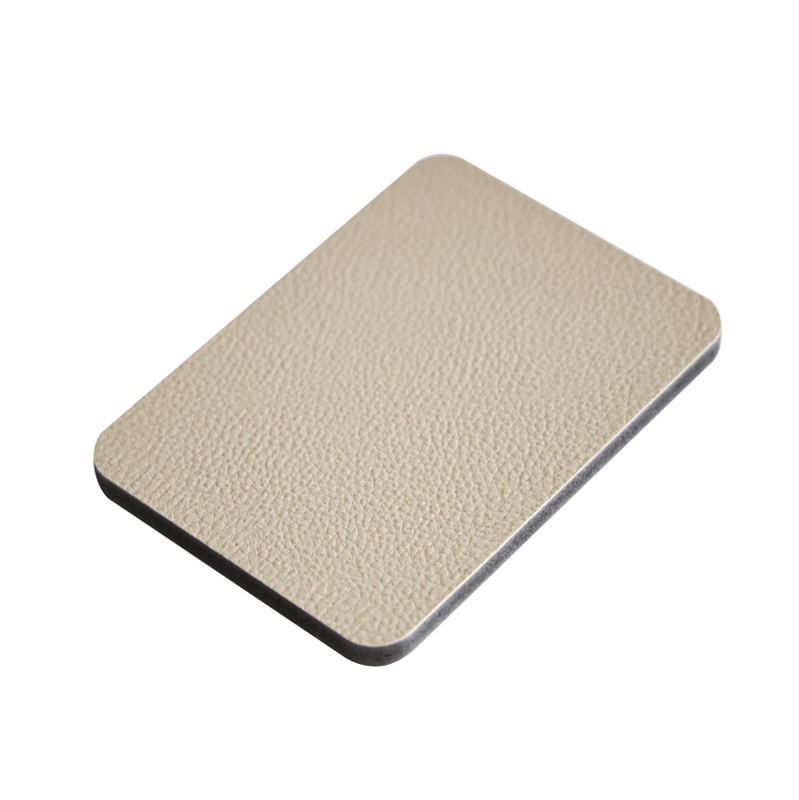
Product variations offer diverse aesthetic choices for different rooms. Consider the Leather Texture Bamboo Charcoal Wall Panel as a perfect example. It has become a highly popular choice for modern bedrooms. It provides the soft, premium tactile feel of genuine leather upholstery. However, it avoids the extensive maintenance of real leather. It also eliminates the animal-product concerns and chemical off-gassing associated with synthetic upholstery foams.
Evaluating Core Safety Metrics for Sensitive Spaces
When selecting materials for a nursery, emission standards matter most. Formaldehyde and VOC emissions must remain strictly controlled. You should establish the E0 standard as your baseline requirement. E0 is a stringent European emission standard. It ensures formaldehyde release is practically undetectable.
The core materials actually help maintain indoor air quality. The carbon and bamboo charcoal base actively resists off-gassing. Unlike MDF or particleboard, it does not rely on urea-formaldehyde binders. In some high-end formulations, the bamboo charcoal even helps neutralize ambient odors in the room. This creates a fresher environment for sleeping infants.
Moisture control is another critical safety metric. Interstitial condensation happens when warm indoor air hits a cold exterior wall. This often results in hidden black mold. These panels possess a naturally waterproof nature. They do not absorb airborne humidity. Preventing mold proliferation is critical for infant respiratory health. The waterproof surface acts as a reliable protective barrier.
Fire retardancy standards dictate how a material behaves during an emergency. You should look for B1 or A fire-safe ratings. In a residential context, a B1 rating means the material is highly flame retardant. High-quality carbon crystal panels should self-extinguish when you remove the flame source. Crucially, they must not produce toxic black smoke while melting.
Finally, we must address physical durability and hygiene. Toddlers bump into walls constantly. They scrape toys along every surface. The dense crystal core provides excellent impact resistance. It will not dent easily like standard drywall. Furthermore, you can sanitize the surface effortlessly. A damp cloth and mild soap easily remove sticky fingerprints. You never need harsh, degrading chemicals to keep the room hygienic.
Safety Standards Comparison Chart
Safety Metric
Traditional Drywall & Paint
Standard PVC Panels
Carbon Crystal Panels
VOC Emissions
High during initial curing
Moderate to High (Phthalates)
Negligible (E0 Standard)
Moisture Resistance
Poor (Prone to mold)
Good
Excellent (100% Waterproof)
Fire Rating
Varies by paint used
Poor (Toxic smoke)
High (B1 Flame Retardant)
Impact Resistance
Low (Dents easily)
Moderate (Can crack)
High (Scratch/Dent resistant)
The Installation Catch: Eliminating Hidden Deployment Risks
The safest wall panel in the world cannot protect your family if installed incorrectly. We call this the adhesive trap. A zero-VOC panel quickly becomes an indoor hazard if you mount it using cheap construction adhesives. Heavy-duty glues often contain high levels of formaldehyde and chemical solvents. These solvents will off-gas into the nursery for months, completely negating the panel's eco-friendly properties.
You must insist on safe installation frameworks. Homeowners and contractors have two primary methods for deploying these materials safely:
Mechanical Fastening Systems: This involves installing wooden or metal furring strips on the existing wall. Installers then use interlocking edge clips to secure the panels. This method uses zero adhesive. It also creates a small air gap behind the panel, which improves ventilation.
Eco-Friendly Sealants: If you must glue the panels directly to a flat wall, verify the adhesive. Use only high-grade, certified eco-friendly polymers. Look for GREENGUARD Gold certified construction adhesives. They cure quickly without releasing toxic fumes.
One of the biggest practical benefits is immediate occupancy. Traditional dry-walling requires taping, mudding, sanding, and painting. This process creates massive dust and requires days of drying time. Panel installation is a dry process. There is no drying time required. There are no toxic fumes to ventilate. You can safely use the nursery immediately post-installation.
Buyer’s Framework: How to Shortlist and Verify Safe Panels
Marketing claims can be deceiving. "Eco-friendly" is a broad term used to sell many subpar products. Buyers must demand hard evidence before purchasing materials for a child's bedroom. Do not just trust a beautiful brochure. Ask your supplier directly for their independent testing documentation.
You should request SGS testing reports. SGS is a globally recognized inspection and certification company. Look for CE marks indicating compliance with European safety standards. Ask about local indoor air quality certifications like ISO 14001. A transparent manufacturer will provide these documents gladly.
You must also learn how to spot red flags. The market is flooded with cheap PVC knockoffs masking as premium carbon crystal. Unusually low prices should immediately raise your suspicion. True carbon and bamboo composite materials cost more to produce than basic hollow plastic. If you open a box and notice a strong, chemical plastic odor, stop immediately. Brittle edges that snap easily during handling also indicate cheap filler materials.
Always employ sample testing logic before placing a full room order. Order a sample kit from the manufacturer. When the samples arrive, subject them to three simple tests:
The Smell Test: Hold the sample close to your nose. It should smell entirely neutral or faintly like clean wood. A sharp chemical scent is an immediate failure.
The Scratch Test: Run a coin firmly across the decorative surface. High-quality thermal films will resist basic scratching. Cheap laminates will peel or gauge easily.
The Water Test: Submerge the edge of the panel in a shallow dish of water for 24 hours. A true carbon crystal composite will not swell, delaminate, or absorb moisture.
Conclusion
Evaluating materials for a child's room requires diligence. After careful review, we can deliver a clear, balanced verdict. Yes, these innovative wall panels are highly safe for nurseries and bedrooms. However, they are only safe when you source them from transparent manufacturers and install them correctly.
You must verify E0 emission standards to protect indoor air quality. You must strictly avoid cheap, solvent-based adhesives during the installation process. Mechanical fastening remains the safest deployment method for sensitive environments. By following these guidelines, you gain a durable, beautiful, and hygienic room finish.
Take action today by requesting material samples from reputable suppliers. Review their safety data sheets carefully. Consult with a design specialist to match the perfect texture to your home project. A well-chosen panel protects your family while elevating your interior design.
FAQ
Q: Do carbon crystal panels emit a plastic smell when first unboxed?
A: Quality panels should be completely odorless right out of the box. They use bamboo charcoal and crystallized carbon bonded with eco-friendly resins. Any strong, lingering chemical smell is a major red flag. It usually indicates the manufacturer used cheap plastic binders or toxic laminating glues.
Q: Can the leather texture bamboo charcoal wall panel harbor dust mites?
A: No, it cannot. The synthetic leather texture is completely non-porous. Unlike real fabric upholstery or genuine leather, it does not trap dust, dander, or moisture. You can easily wipe the surface clean with a damp cloth. This makes it a highly hypoallergenic choice for bedrooms.
Q: Do I need to tear down my existing drywall to install these safely?
A: No demolition is required. You can safely retrofit these panels directly over existing flat walls. Installers typically use structural furring strips and metal mounting clips. This dry-installation method avoids the toxic dust associated with tearing down old drywall and keeps the room safe.
Q: How do these panels impact room insulation and acoustics?
A: The dense core provides minor thermal and sound-dampening benefits. The bamboo charcoal composition naturally absorbs some ambient noise. When installed with an air gap on furring strips, they slightly improve thermal insulation. This combination helps create a quieter, more temperature-stable environment, aiding infant sleep quality.
The company was established in 2018 and specializes in new environmentally friendly indoor decorative materials such as SPC flooring, WPC flooring, carbon crystal flooring, wood veneer panels, and carbon crystal wall panels.